Minneapolis Community Steps Up with Grocery Deliveries Amid ICE Crackdown
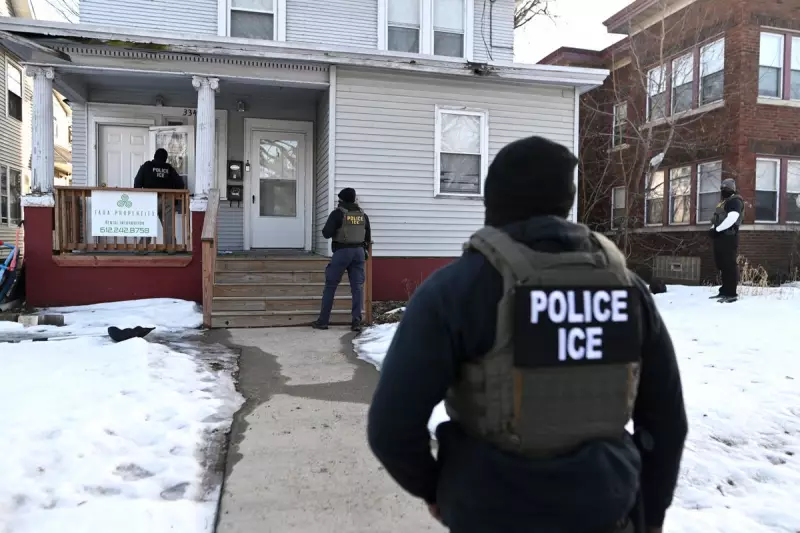
In a powerful display of community solidarity, volunteers in Minneapolis are organising grocery deliveries for migrants who fear leaving their homes as Immigration and Customs Enforcement (ICE) agents swarm the city. This grassroots response comes amid a significant federal operation that has seen thousands of arrests in recent weeks.
Operation Metro Surge Sparks Widespread Fear
Federal agents have been conducting extensive arrests across Minneapolis as part of Operation Metro Surge, a nationwide immigration enforcement initiative. The Trump administration has described those targeted as "murderers, rapists, child pedophiles and incredibly dangerous individuals", but community leaders paint a different picture of the operation's impact.
Sergio Amezcua, a pastor at Dios Habla Hoy in south Minneapolis, told The New York Times that ICE appears to be specifically targeting nonwhite individuals - a claim that federal officials have consistently denied. "Our community is traumatized," Amezcua explained. "People that are born here are traumatized."

Church Coordinates Massive Relief Effort
Faced with this crisis, Amezcua and other community members have mobilised to support those too frightened to venture out for basic necessities. The church has become a central hub for this humanitarian effort, receiving nearly 25,000 requests for grocery assistance and completing approximately 14,000 deliveries of essential items including:
- Meat and dairy products
- Milk and other perishables
- Hygiene and personal care items
While food banks provide much of the distributed goods, individual donations have also played a crucial role in sustaining the operation. The scale of need demonstrates how deeply the current enforcement actions have affected daily life in Minneapolis neighbourhoods.
Volunteers Respond to Growing Desperation
Minneapolis resident Germaine Grueneberg, who recently signed up to volunteer, captured the mood of many community members: "I think the desperation is palpable right now, and we need to do something." She continued, "I'm lucky enough to have the privilege of a comfortable home, being able to buy my own food and go out and feel somewhat safe, for the most part, and it's about time that we support our neighbors."
Minneapolis Becomes Immigration Policy Flashpoint
The city has emerged as a focal point in President Donald Trump's immigration enforcement policies, with tensions escalating dramatically following a recent fatal shooting. Earlier this month, Renee Good, a 37-year-old U.S. citizen and mother of three, was fatally shot by ICE agent Jonathan Ross in Minneapolis, sparking significant public outcry.
While the Trump administration has framed the shooting as an act of self-defense, the incident has intensified scrutiny of federal immigration operations in the area. The Department of Justice has now issued subpoenas to at least five top Democratic Minnesota officials, including Governor Tim Walz, as part of an investigation into whether state and local officials conspired to impede federal immigration enforcement.
Political Leaders Express Concern Over Community Impact
Governor Walz responded to the subpoenas with a statement emphasising his administration's priorities: "My focus has always been protecting the people of this state, not protecting myself. Families are scared. Kids are afraid to go to school. Small businesses are hurting. A mother is dead, and the people responsible have yet to be held accountable."
This statement reflects the broader anxiety permeating Minneapolis communities as federal operations continue. The grocery delivery initiative represents both a practical response to immediate needs and a symbolic act of resistance against policies that many residents believe are creating unnecessary fear and hardship in their city.
As Operation Metro Surge continues, community organisers say they will maintain their delivery services for as long as necessary, providing a crucial lifeline for those caught between enforcement actions and basic survival needs.