American Tourists Trapped in Mexican Hotel Amid Cartel Violence Struggle for Food
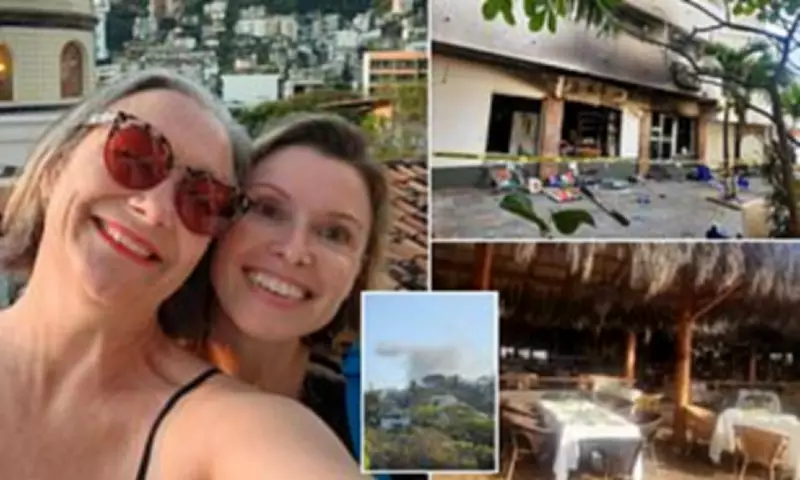
Two best friends from Arkansas on a birthday trip to Mexico have found themselves trapped at their hotel amid surging cartel violence, struggling to access basic necessities like food. Misha Gardner and Amanda Scott were scheduled to fly home on Monday but are now stranded in Puerto Vallarta due to severe travel restrictions following a major security operation.
Sheltering in Place at Hotel Amaca
The duo, on their third visit to the popular tourist destination, have been ordered to shelter-in-place at the Hotel Amaca resort while the city remains in a state of unrest. Signs posted around the property explicitly state it is 'strictly prohibited to leave the property until further notice,' according to KHBS reports.
This restriction has created significant hardship because the hotel lacks an on-site restaurant, Gardner explained. The facility only maintains a few water tanks, leaving guests with limited provisions. 'We did have some really nice friends that shared their food with us yesterday, which was really nice,' Gardner told media outlets. 'And, we raided the minibar.'

Desperate Search for Sustenance
Eventually, the pair managed to locate a local cafe and beachfront restaurant willing to serve them on Monday. Their search took them through deserted streets where they witnessed vandalized and raided shops, stark evidence of the ongoing turmoil. Gardner described finding a 'nice place on the beach that was open for food' with help from new acquaintances.
The friends are booked at Hotel Amaca through Tuesday but face uncertainty about accommodations for the remainder of the week. 'We are back at the hotel. We are trying to keep our spirits up,' Gardner posted on Facebook late Monday. 'We have our hotel for tomorrow and then we need to figure something out for the remainder of the week.'
Violent Backdrop: Cartel Leader's Death
The crisis stems from the Mexican army's killing of Nemesio Rubén Oseguera Cervantes, leader of the Jalisco New Generation Cartel, one of Mexico's most powerful criminal organizations. The operation resulted in more than 70 deaths including security forces, suspected cartel members, and civilians.
In response to their leader's death, cartel members unleashed widespread violence including:
- Erecting over 250 roadblocks across 20 states
- Setting fire to numerous vehicles including buses
- Attacking security forces, resulting in 25 National Guard deaths
From their hotel on Sunday, Gardner and Scott observed smoke billowing from car fires started by cartel members. The violence has prompted several Mexican states to cancel school and governments to issue shelter-in-place warnings.
Travel Disruptions and Government Response
While the U.S. Embassy reported that situations have 'returned to normal' in tourism hotspots like Cancun and Tulum, flights in Puerto Vallarta continue to be disrupted. Scott is currently scheduled to fly home on Saturday and Gardner on Sunday, though both remain uncertain about these arrangements.
The pair have urged loved ones to contact U.S. government officials and senators because they 'need their help getting home safe.' The U.S. Embassy continues to advise American citizens to shelter in place due to 'ongoing security operations and related road blockages and criminal activity.'
Broader Implications and International Involvement
The White House confirmed that the United States provided intelligence support for the operation against Oseguera Cervantes, who was one of the most wanted criminals in both countries. The Jalisco New Generation Cartel, designated a foreign terrorist organization by the Trump administration in February 2025, is known for:
- Trafficking fentanyl, methamphetamine, and cocaine to the United States
- Staging brazen attacks against Mexican government officials
- Pioneering the use of explosives launched from drones
Mexican authorities hope the death of what they describe as 'the world's biggest fentanyl trafficker' will ease pressure from the Trump administration, which has threatened tariffs and unilateral military action if Mexico doesn't show results against cartels.

As Gardner and Scott wait for normalcy to return, they plan to remain sheltered until they see more cars on the roads and confirmation that flights are departing regularly. Despite hearing that 'things are opening up tomorrow and school will resume Wednesday,' they're taking a cautious approach to their safety in a volatile situation that has left thousands stranded across Mexico.