
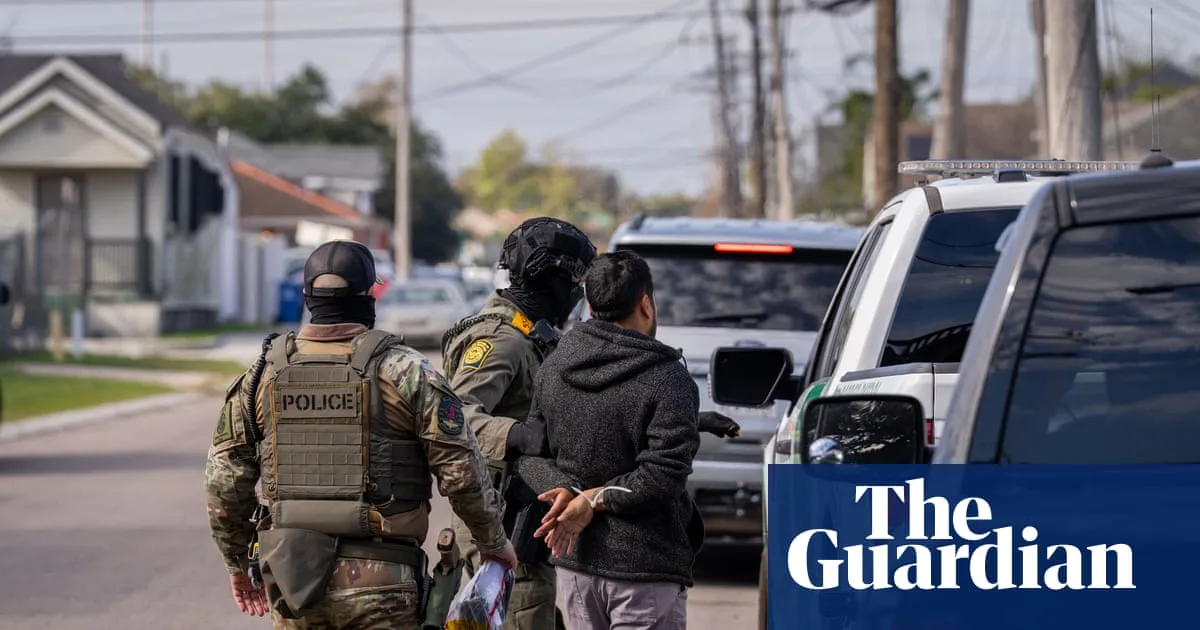
Federal immigration officers are ending a major enforcement operation in Louisiana and redeploying to Minneapolis, according to documents obtained by the Associated Press. The move marks a sharp change from the crackdown known as "Catahoula Crunch," which began in December with more than 200 officers arriving in New Orleans and was expected to last until February.
The Louisiana operation, which drew protests around New Orleans, had a target of 5,000 arrests but resulted in only about 370 by 18 December, according to the Department of Homeland Security. Documents previously reviewed by the AP showed that most of those arrested in the first days lacked criminal records and that authorities monitored online criticism of the deployment.
The officers are being moved as part of a sweeping federal crackdown in Minnesota, where more than 2,000 officers are taking part in what the DHS has called the biggest immigration enforcement operation ever. The deployment has been linked in part to allegations of fraud involving Somali residents. Officers in Minneapolis have faced demonstrations after an Immigration and Customs Enforcement officer fatally shot a woman on Wednesday.
Border patrol chief Gregory Bovino, who led the New Orleans operation and was previously associated with aggressive enforcement in Chicago, Los Angeles and Charlotte, North Carolina, has been seen in Minneapolis this week. The DHS declined to comment on whether the Louisiana deployment was ending to bolster Minneapolis, saying it does not disclose operational details while they are under way.
Louisiana's Republican governor, Jeff Landry, welcomed the crackdown, but Democratic leaders in New Orleans criticised the 5,000-arrest target as unrealistic and pointed to videos showing agents pursuing residents, including a US citizen being chased near her home. In the nearby Latino enclave of Kenner, many immigrant-run businesses temporarily closed in fear of racial profiling. Carmela Diaz, a US citizen born in El Salvador, has kept her taco restaurant shut for more than a month but is considering reopening soon, saying: "I'm going to wait and see this week. I have a lot of clients who want to eat here."




