US Communities Resist DHS Plans to Convert Warehouses into Immigration Detention Centers
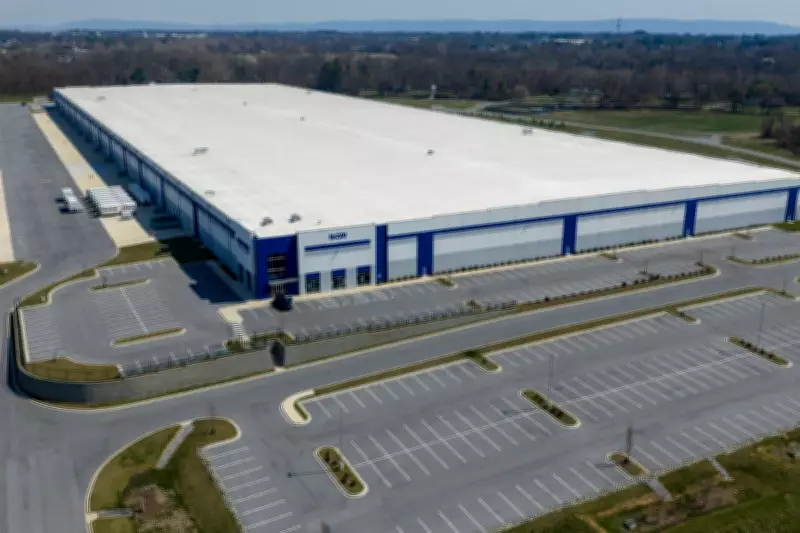
Homeland Security Secretary Markwayne Mullin is currently reviewing a contentious plan to transform warehouses across the United States into detention facilities for tens of thousands of immigrants. The initiative, which has already seen immigration officials spend a total of $1.074 billion on 11 warehouses, has largely been met with fierce opposition from local communities and officials.
Days after Mullin was sworn into office, the Department of Homeland Security paused the purchase of new warehouses intended to house immigrants. The department is now scrutinizing all contracts signed under his predecessor, Kristi Noem, as part of a broader reassessment of the strategy.
State-by-State Opposition and Legal Challenges
Across the country, the proposed conversions have sparked significant backlash. In Arizona, local officials were not informed before ICE purchased a 418,000-square-foot warehouse in Surprise for $70 million. State prosecutor Kris Mayes highlighted this lack of communication in a letter to former Secretary Noem. While initial plans suggested a processing site with a daily capacity of 1,000 to 1,500 people, Surprise Mayor Kevin Sartor now indicates DHS is planning a more modest operation, starting with 250 people per week and capping occupied beds at 542.

In Georgia, ICE bought a massive warehouse in Social Circle for $128.6 million, with the city being told it could house 7,500 to 10,000 detainees. Concerns over water supply strain led the city to lock the warehouse's water meter. DHS suggested trucking in drinking water and trucking out waste, a plan deemed unworkable by Georgia Democratic Senators Raphael Warnock and Jon Ossoff.
Legal challenges have further complicated the efforts. Maryland's attorney general sued after ICE purchased a warehouse in Washington County for $102.4 million, putting renovation work on hold. Similarly, Michigan state and city officials sued after DHS paid $34.7 million for a warehouse in Romulus, citing its location in a flood plain and inadequate sewage systems.
Community Backlash and Withdrawn Deals
Public outcry has forced several proposed deals to be abandoned. In Minnesota, warehouse owners in Woodbury and Shakopee pulled out of possible ICE agreements following local opposition. In Mississippi, Republican U.S. Senator Roger Wicker noted that Noem agreed to look elsewhere after local officials opposed a detention center in Byhalia.
Missouri saw development company Platform Ventures announce it would not proceed with the sale of a warehouse in Kansas City after weeks of public pressure. In New Hampshire, Governor Kelly Ayotte stated that DHS would not move forward with a proposed ICE facility in Merrimack, following disputes over communication and erroneous economic impact summaries.
Other states, including New Jersey, New York, Oklahoma, and Tennessee, have also seen deals scuttled or paused due to community resistance and legal actions. In Texas, mayors of Socorro and San Antonio oppose warehouse purchases, with Socorro officials raising water supply concerns. A deal in Hutchins, Dallas, was abandoned after a real estate company refused to sell or lease properties to DHS.
Ongoing Scrutiny and Future Implications
The controversy extends to states like Utah, where DHS bought an 833,280-square-foot warehouse in Salt Lake City for $145.4 million without notifying local leaders. Mayor Erin Mendenhall reported that ICE officials later informed her the facility could house 7,500 to 10,000 people, prompting the city to cap water use. In Virginia, Jim Pattison Developments withdrew from a planned sale in Richmond after boycott threats, claiming unawareness of the intended use.
As Secretary Mullin reviews these plans, the future of converting warehouses into detention centers remains uncertain. The widespread opposition highlights significant challenges in balancing federal immigration policies with local community concerns and infrastructure limitations.