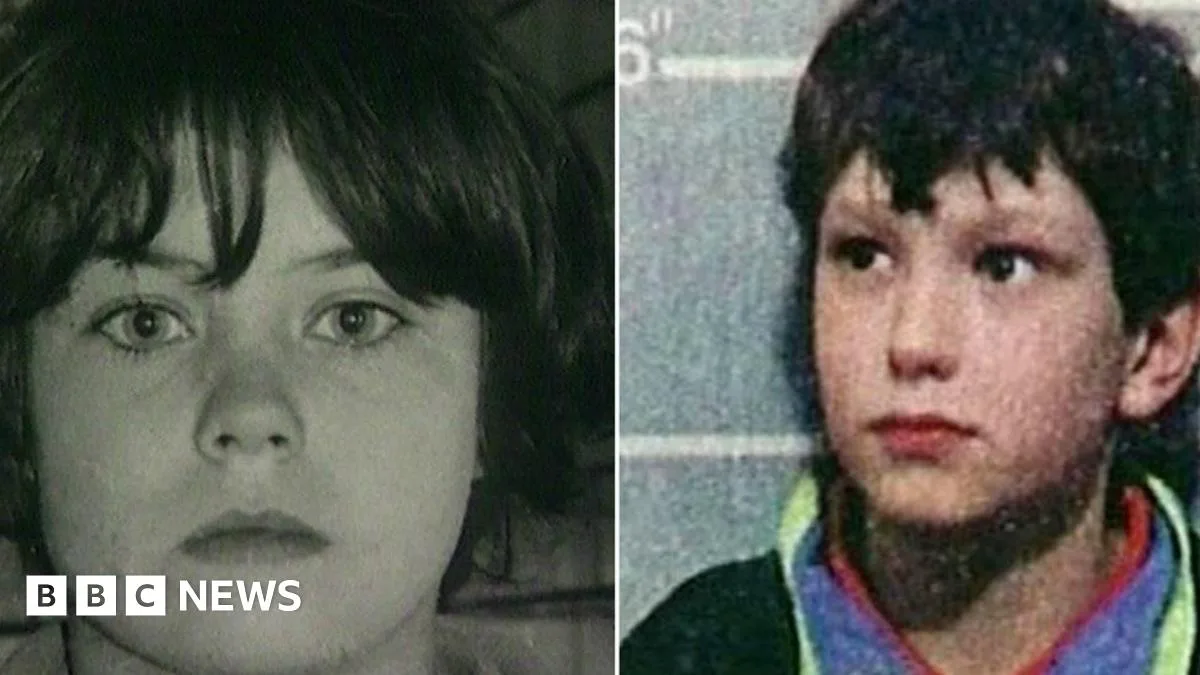
UK's Most Notorious Criminals Granted Lifelong Anonymity and New Identities
In Britain's justice system, a select group of the country's most infamous criminals live under a rare form of protection, shielded by lifelong anonymity orders despite committing some of the most brutal and shocking crimes in history. These controversial legal rulings ensure that their identities, locations, and details of their new lives cannot be published, often at significant taxpayer expense, with some receiving new names, homes, and entirely fabricated identities.
Supporters argue that such measures are essential to prevent vigilante attacks and facilitate rehabilitation, particularly for offenders who were minors at the time of their crimes. However, critics, including victims' families, contend that these protections prioritize the rights of killers over those whose lives they destroyed, fueling ongoing debates about justice and public safety.
Child Killer Mary Bell
Few cases in British criminal history have shocked the nation as profoundly as that of Mary Bell, who was just 11 years old when convicted of killing two small boys in 1968. The murders occurred in Scotswood, Newcastle upon Tyne, with her first victim being four-year-old Martin Brown, found dead in an abandoned house in May 1968. Weeks later, she strangled and mutilated three-year-old Brian Howe, telling both boys she would massage their sore throats before killing them.
Diagnosed with a psychopathic personality disorder, Bell was cleared of murder but convicted of manslaughter on grounds of diminished responsibility in December 1968. She was detained at Her Majesty's pleasure, serving nearly 12 years before her release in 1980 at age 23, when she was granted lifetime anonymity. In 2003, the High Court extended this protection to her daughter and later her granddaughter, allowing Bell to live quietly under assumed identities across the UK, though her exact whereabouts remain legally protected.
Maxine Carr
Maxine Carr, while not a killer herself, became one of the most controversial recipients of lifelong anonymity. As the girlfriend of school caretaker Ian Huntley, who murdered 10-year-olds Holly Wells and Jessica Chapman in Soham in 2002, Carr provided a false alibi during the investigation. Convicted of perverting the course of justice, she served 21 months of a three-and-a-half-year sentence before her release in 2004, after which the government granted her a new identity and lifelong anonymity due to fears of public attacks.
Since leaving prison, Carr has reportedly moved multiple times under police protection, rebuilt her life under a different name, married, and had children. Protecting her has cost taxpayers an estimated £2.5 million since her release, with annual expenses reaching up to £500,000. Reports indicate she underwent cosmetic surgery, including dental work and a breast reduction on the NHS, citing mental health reasons.
Angela Wrightson's Child Killers
In December 2014, 39-year-old Angela Wrightson was brutally murdered in her Hartlepool home by two teenage girls aged 13 and 14. Over several hours, they subjected her to a sadistic assault using household objects like a television set and a wooden stick studded with screws, inflicting over 100 injuries. The girls even took photographs and shared images on social media, including a selfie in a police van afterward.
Convicted of murder in 2016, both received life sentences with a minimum term of 15 years. The judge ruled they should remain anonymous due to their age and vulnerability, meaning their whereabouts will be unknown even after release, sparking further controversy over justice for victims.
The Edlington Brothers
Another case that horrified Britain involved the Edlington brothers, aged 10 and 11, who carried out a 90-minute sadistic attack on two younger boys in South Yorkshire in 2009. Luring the victims to a wooded area near Edlington, Doncaster, they tortured them by beating with bricks, forcing them to eat nettles, stabbing, and leaving them for dead. Miraculously, both victims survived life-threatening injuries.
Convicted of attempted murder in 2010, the brothers were detained at Her Majesty's pleasure and freed in 2016 after a judge deemed them no longer a threat. They were granted lifetime anonymity to aid rehabilitation, with the younger brother expressing remorse and a desire to rebuild his life through education and employment.
James Bulger Killers
Perhaps the most contentious anonymity order in British legal history surrounds Robert Thompson and Jon Venables, who at age 10 abducted, tortured, and murdered two-year-old James Bulger in 1993. Released in 2001 after serving eight years, they were given new identities and lifelong anonymity due to risks of vigilante violence, a decision that continues to spark fierce debate.
While Thompson has not reoffended and reportedly built a stable life with education and relationships, Venables has repeatedly returned to prison for offenses including possession of indecent images of children. His latest parole bid was rejected in 2023 over ongoing risks, highlighting the complexities of rehabilitation and public safety in such high-profile cases.






