

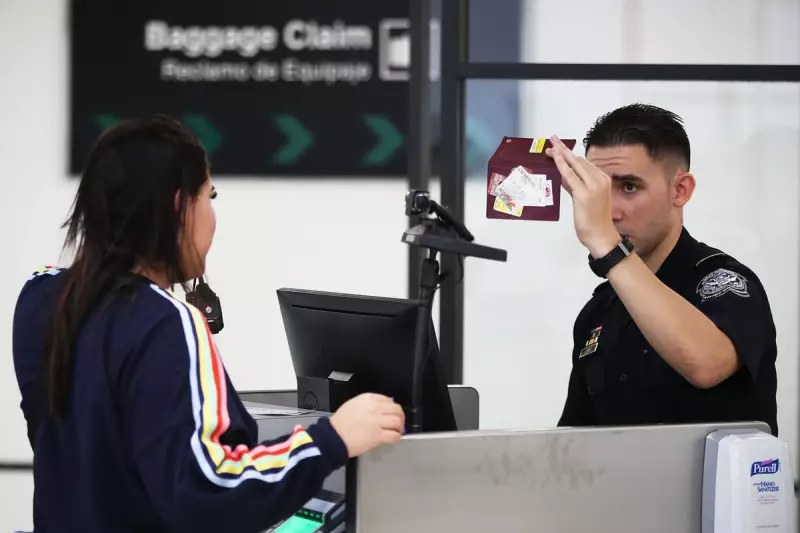
A British tourist's attempt to enter the United States ended abruptly when Customs and Border Protection (CBP) officials denied him entry over a satirical social media meme referencing Donald Trump, sparking concerns about freedom of expression at American borders.
The Meme That Closed the Border
The incident unfolded when the UK traveller, whose identity remains protected, presented himself for entry into the US. CBP agents, during routine screening, discovered a meme the tourist had shared that featured Ohio Senator JD Vance alongside a humorous reference to former President Trump.
Despite the tourist's explanations that the content was meant as political satire and not a genuine threat, CBP officials deemed the material concerning enough to refuse his entry. The decision has ignited debate about where border authorities draw the line between legitimate security concerns and protected speech.

Growing Pattern of Speech Scrutiny
This case emerges amid increasing reports of US border agents intensifying their examination of travellers' social media presence and electronic devices. The practice, while framed as a security necessity, has repeatedly raised alarm among civil liberties advocates who argue it creates a chilling effect on free expression.
Legal experts note that while CBP maintains broad authority to deny entry at US borders, the evaluation of political satire and social media content sits in a legal grey area that continues to evolve.
Broader Implications for International Travel
The incident highlights several critical issues facing modern international travel:
- The expanding digital footprint examined during border crossings
- The subjective interpretation of humorous or satirical content
- The balance between national security and individual expression rights
- The potential consequences for tourists engaging in political commentary
As border authorities worldwide increase their digital surveillance capabilities, travellers are finding that their online activities—even those intended as private jokes or political commentary—can have real-world consequences for their mobility.
The case of the British tourist barred over a Trump-related meme serves as a stark reminder that in the digital age, our online expressions travel with us—sometimes with unexpected results at international borders.






