UK Immigration Raids Target Restaurants, Sparking Fears of Racial Profiling
Diners were enjoying an upmarket Indian lunch when immigration officers slipped through the restaurant's back fence. Armed with stun guns and clad in stab vests, the 11-strong unit blocked every entrance before moving in on their target: Mandira's Kitchen. This wasn't a scene from the United States; it unfolded near Guildford, England, among the rolling Surrey Hills.
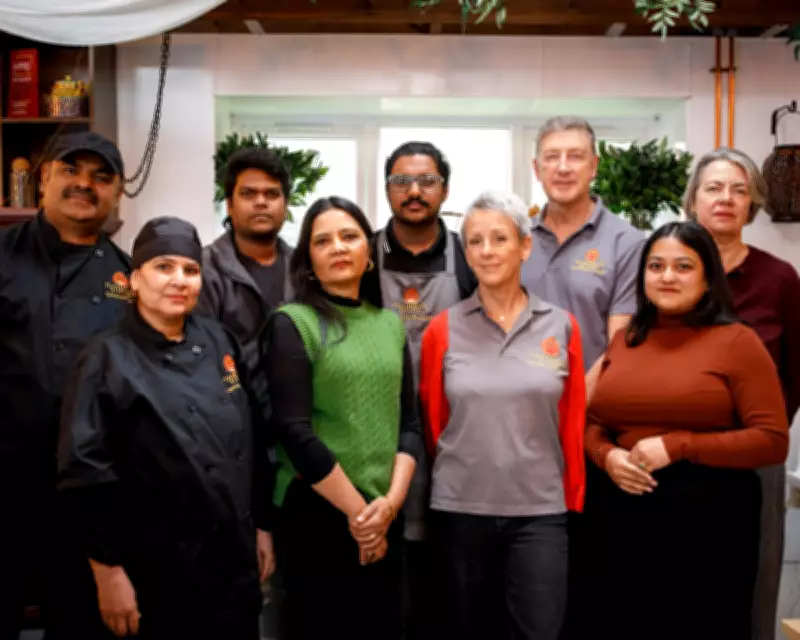
Before the Home Office's immigration compliance and enforcement (Ice) officers stormed the restaurant in September, they devised a codeword in case they faced attack from kitchen weapons. Instead, they found customers eating biryani and samosas in a converted barn adorned with plants and a rickshaw bicycle hanging from the ceiling. In the kitchen, five junior staff members were cooking. Officers demanded passports without explanation or permission, according to owner Mandira Moitra Sarkar, who calls the warrantless intrusion "astounding."
Surge in Raids Under Labour Government
The raid is among over 17,400 on businesses since Labour took power in July 2024—a 77% increase from the previous year. The government claims this drive has led to record arrests for illegal working, but critics say it goes beyond Labour's pledge for a "fair and properly managed immigration system." While UK Ice teams were established in 2013 under Theresa May's "hostile environment" policy, Labour has amplified raids in media outreach, including a TikTok account showcasing operations.

Most raided businesses, like Mandira's Kitchen, are targeted via anonymous tipoffs, which can stem from personal or commercial grievances. Kevin Barker, a former Ice officer, notes that while raids are "intelligence-led," a mere suspicion can trigger one. Surveillance and prior records may be checked, but often, no specific names are provided.
Allegations of Racial Bias and Intimidation
Moitra Sarkar, who holds a sponsor licence for employing foreign workers, felt singled out: "Oh, you're brown and you're running a food business? Of course you've got illegal immigrants. It's guilty until proven innocent." Seema Syeda of the Joint Council for the Welfare of Immigrants echoes this, citing racial profiling as a factor. In 2025, Ice conducted 12,791 raids, making 8,971 arrests, but only 12% resulted in removals, suggesting a "performative act."
At Facing Heaven, a vegan Chinese restaurant in east London, owner Julian Denis experienced a similar raid in September. Officers interrogated non-white, foreign-born staff, frightening them with jail threats, while ignoring white employees. Denis, from the US, calls it a "wake-up call," condemning the Home Office with a blunt message: "Fuck Ice."
Legal Powers and Abuse Concerns
Restaurants are vulnerable under the Licensing Act 2003, allowing Ice to enter without a warrant during licensed activities like serving alcohol. In 2025, 28% of raids targeted restaurants, takeaways, and cafes. Barker argues officers often exceed their powers, using the act as "carte blanche" to interrogate unrelated staff. Amendments in 2017 lowered entry thresholds, criticized by figures like Keir Starmer for enabling overreach.
Moitra Sarkar's freedom of information requests revealed the raid was justified by a tipoff and her website's alcohol menu, yet officers failed to obtain "fully informed consent." Surrey police described it as a "routine licensing check," but Moitra Sarkar deems it a waste of resources and taxpayer money.
Broader Impacts and Resistance
Fizza Qureshi of Migrants' Rights Network notes many migrant business owners feel raids are "part of their daily life," with stigma affecting operations. The Home Office denies racial influence, stating operations are "intelligence-led." However, Tanya Goldfarb reports raids across sectors like care homes and IT firms, often involving handcuffs and detention without communication.
As Reform UK and Conservatives propose ICE-style agencies, anti-raid groups are emerging. In Lewisham, protesters recently prevented arrests by informing targets of their rights. For Moitra Sarkar, the raid compounded a difficult week marked by far-right rallies, leaving her questioning her optimism after 28 years in Britain. "We really need to call it out for what it is," she says. "Completely ludicrous."