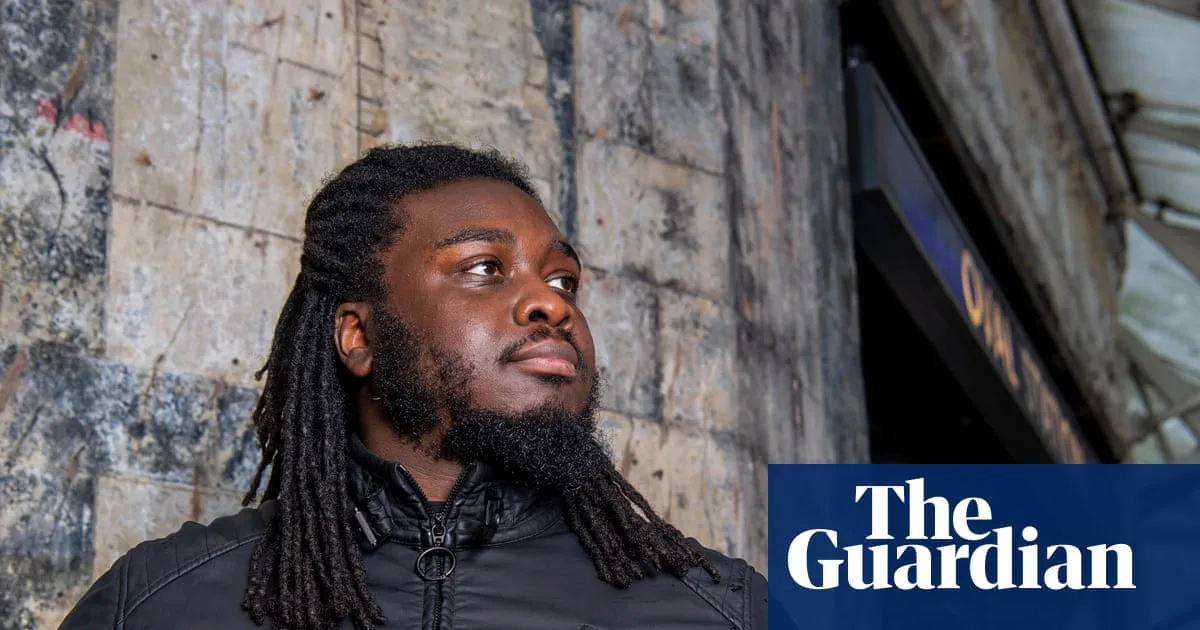
British-born man denied citizenship for 15 years reveals Home Office ordeal
UK-born man's 15-year fight for citizenship

For most British parents, registering a newborn's citizenship is a straightforward formality. For hundreds of thousands of children born in the UK to parents without settled status, however, the path to formal recognition is fraught with complexity, cost, and years of uncertainty. The story of Olu Sowemimo, a London-born youth worker who spent 15 years unaware he was not a UK citizen, exposes the human cost of this system, a system facing potential further tightening under new government proposals.

A Life Built on a Mistaken Identity

Olu Sowemimo was born in 1991 at St Guy's Hospital in London and grew up in Kennington, living what he considered a typical London childhood. He attended primary and secondary school, firmly believing he was British. This belief was shattered at age 20 when, after turning his life around following a period of being groomed into county lines gang activity as a teenager, he applied for a passport.

His application was rejected. "I found out that technically I wasn't British," Sowemimo explains. "This was such a shock to me and to my mother as well. It devastated us." His mother, who had migrated from Nigeria, held a visa when he was born but had not yet secured permanent residency. She later obtained settled status and citizenship for herself and Olu's older brother, born in Nigeria, assuming her UK-born son would face no issues.

Living in Limbo: Fear and the 'Good Character' Hurdle

The UK does not have birthright citizenship. A child's status depends entirely on their parents' immigration position at the time of birth. For those outside the automatic criteria, like Sowemimo, a key provision exists: children born in the UK who live here for 10 years and are of "good character" are entitled to register as British citizens.

This registration costs £1,214, but the greater obstacle is the "good character" test. Sowemimo's initial application was rejected based on past offences from his youth, despite his extensive rehabilitation and work as a youth worker helping others avoid gang exploitation. This requirement has been used to deny citizenship to hundreds of UK-born children, sometimes for minor infractions.

For 15 years, Sowemimo lived in a state of perpetual anxiety. "I started to walk around in a state of fear, worried that at any moment I could be picked up and sent to another country," he says. "Every day... I'm constantly thinking, could today be the day I am detained and deported?"

A Bittersweet Victory and a Warning for the Future

Hope arrived through Solange Valdez-Symonds, supervising solicitor and CEO of the Project for the Registration of Children as British Citizens (PRCBC). After a protracted legal battle documenting his rehabilitation and community contributions, Sowemimo's citizenship was finally approved in 2024, when he was 32.

The news brought mixed emotions: relief and deep anger. "Why did I have to wait until I was a grown man to find out I was British?" he asks. He immediately booked his first-ever flight, travelling to Fiji, a symbolic end to his confinement.

Campaigners now warn that proposed changes to the immigration system could see many more children facing similar uncertainty. The government has proposed doubling the required period of lawful residence for settlement from five to ten years for many migrants. This would significantly increase the number of children born and growing up in the UK without citizenship.

Sowemimo's message to policymakers is stark: "These policies are forcing people to really second guess who they are. You're alienating us from everybody... It is horrible to have the fear of being deported to a country we had never stepped foot in."

Though he now holds a British passport, the scars remain. "I know who I am," he states. "It's such a shame I needed a little book to confirm that to me. But at this point, I am British. No matter what anybody tells me." His story stands as a powerful testament to the hidden consequences of Britain's complex nationality laws.




