UK Asylum Appeals Backlog Soars to Unprecedented Levels
The backlog of asylum appeals in the United Kingdom has reached a new record high, with official figures revealing an almost twofold increase over the past year. According to data released by the Ministry of Justice, there were 80,333 cases pending in the system at the end of December, a dramatic rise from 41,987 recorded at the same point in 2024.
Declining Success Rates and Extended Waiting Times
Between October and December last year, only 36% of asylum appeals were successful, marking a significant drop from 46% in the equivalent period of 2024. This represents the lowest grant rate since April-June 2015, when the figure stood at 34%. Compounding the issue, the average waiting time for asylum appeals has now stretched to 63 weeks, up from 48 weeks at the end of December 2024.
Imran Hussain, director of external affairs at the Refugee Council, commented: "These figures demonstrate what has been obvious for a long time – poor quality decision-making by the Home Office is forcing people into an appeals process, meaning that it can take years to reach the correct decision."
Human Impact and Accommodation Concerns
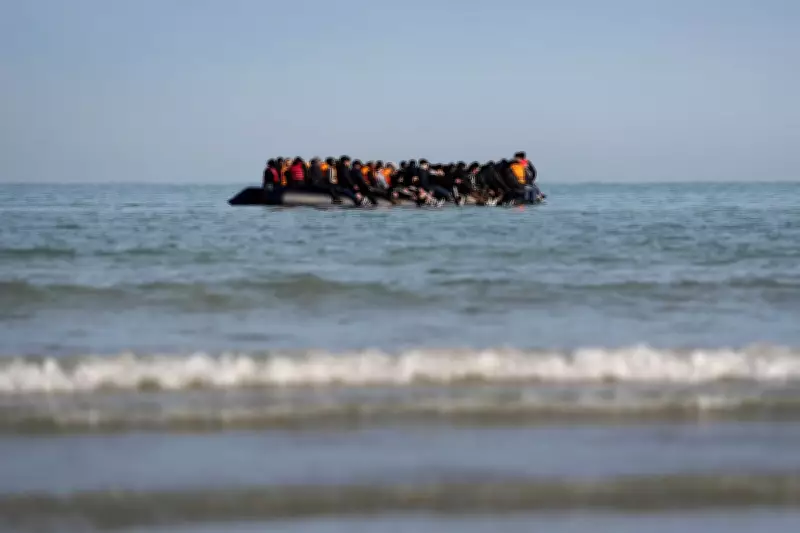
The Refugee Council estimates that the 80,333 appeal cases likely relate to approximately 104,433 individuals, based on a ratio of 1.3 people per case. Many of these individuals are reportedly "stuck" in hotels and other asylum accommodations while awaiting decisions, unable to work or rebuild their lives.
Hussain added: "In our frontline work, we see so many men, women and children whose hopes for safety rest on their asylum applications, but they are often met with flawed decisions that don't address the facts of their situation. While they wait for an appeal, many are stuck in asylum accommodation, unable to work or rebuild their lives, at huge cost to the public purse."
Government Statistics and Policy Responses
Interestingly, statistics published at the end of last year indicated that, for the first time, the backlog of asylum appeals exceeded the backlog of cases awaiting initial decisions. However, separate Home Office data from February showed that the backlog of people waiting for initial asylum decisions had dropped sharply to 64,426 by the end of December 2025 – its lowest level in over five years.
The number of asylum seekers housed temporarily in UK hotels has fallen to 30,657 as of December, the lowest figure in 18 months. This issue gained prominence last year with protests outside some accommodation sites.
Recent Policy Changes and Political Pledges
In November, the Home Office announced significant changes to the appeals process. Asylum seekers whose claims are denied will now be limited to making one appeal against their removal, rather than having the ability to mount multiple challenges on different grounds.
These reforms were introduced as Home Secretary Shabana Mahmood unveiled plans to "restore order and control" to the asylum system, modelled on the Danish approach. Meanwhile, the Labour Party has pledged to end the use of asylum hotels by the end of this Parliament in 2029, if not earlier.
Experts have warned that the growing appeals backlog highlights the substantial challenges facing the government as it seeks to eliminate hotel accommodations for asylum seekers. The situation underscores ongoing tensions between administrative efficiency and the rights of those seeking refuge from conflicts in regions such as Sudan and Afghanistan.