Two Men Face First-Degree Murder Charges in Killing of Iranian-Canadian Activist
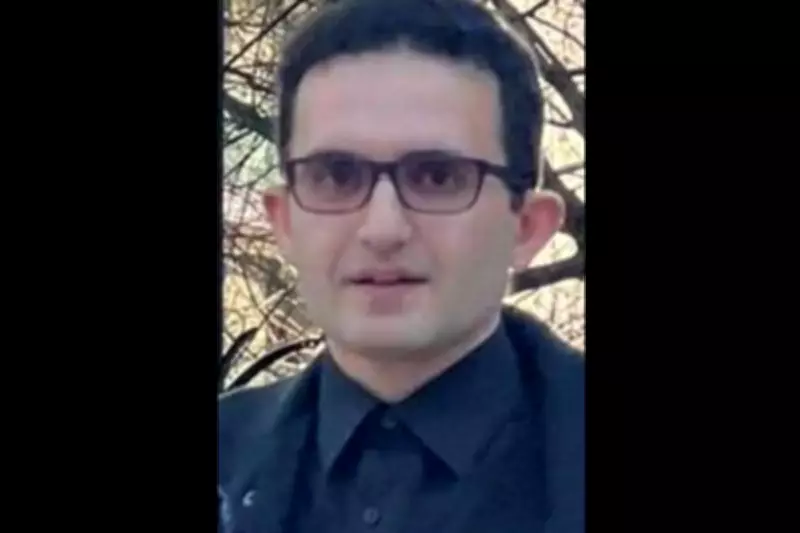
Canadian law enforcement officials have announced the arrest and charging of two individuals in connection with what they describe as the "targeted" murder of Masood Masjoody, a 45-year-old activist known for his vocal opposition to the Iranian regime. The suspects, identified as 48-year-old Mehdi Ahmadzadeh Razavi and 45-year-old Arezou Soltani, each face one count of first-degree murder following an intensive investigation by Canada's Integrated Homicide Investigation Team.
Discovery of Remains and Investigation Details
Masjoody, a resident of Burnaby, British Columbia, was reported missing on February 2 after neighbors expressed concerns about his whereabouts. His remains were discovered approximately one month later in Mission, British Columbia, prompting a thorough homicide probe. According to police spokesperson Freda Fong, the victim and the two accused individuals were known to each other, with reports indicating they had engaged in arguments on social media prior to the incident.
"While the motive is still under investigation, we can say the victim and the two accused were known to each other and that this was a targeted incident," Fong stated during a press briefing. She emphasized that it remains unclear whether these online disputes directly contributed to Masjoody's death. Investigators noted that neither suspect has prior criminal convictions in Canada, and both are scheduled to appear in court for their initial hearings.
Background of the Victim and Allegations
Masood Masjoody was recognized for his significant online presence and professional work as a mathematician. He was an outspoken critic of the Islamic Revolutionary Guards Corps and was reportedly affiliated with the Iran Front for the Revival of Law and National Sovereignty, an organization advocating against the Iranian government. In a statement released on Sunday, the group condemned his killing, alleging it was part of a premeditated "circle killing" orchestrated within dangerous networks that Masjoody had frequently warned about during his lifetime.
"Masjoody ultimately became a victim of the very phenomenon about which he consistently warned: lawlessness, political violence, and a totalitarian mindset that resorts to intimidation and elimination instead of accountability before the law," the group declared. They have called for a broader investigation into what they describe as systematic efforts to silence dissenting voices through defamation, intimidation, and violence.
Broader Context of Iranian Dissent and Violence
This case emerges against a backdrop of heightened tensions involving Iranian dissidents abroad. Less than two months prior to Masjoody's death, Brooklyn resident Carlisle Rivera was sentenced to 15 years in prison for his involvement in a plot to assassinate Masih Alinejad, an Iranian journalist and human rights activist. According to the U.S. Justice Department, that murder-for-hire scheme was "directed by the Government of Iran," though Rivera was apprehended in November 2024 before he could carry out the attack.
During Rivera's sentencing hearing, Alinejad and her husband detailed the severe personal toll of such threats, including forced relocations and limited interactions with their children due to ongoing assassination plots. "I'm just a woman. My weapon is my voice. My weapon is my social media," Alinejad asserted, highlighting the risks faced by activists who use digital platforms to challenge authoritarian regimes.
The Integrated Homicide Investigation Team and the British Columbia Prosecution Service have been contacted for further comment on the Masjoody case, but details regarding legal representation for Razavi and Soltani remain undisclosed. As the investigation continues, authorities are examining potential connections to broader networks of political violence, underscoring the international implications of this targeted killing on Canadian soil.