Swamp Sweep: 250 Border Agents Target Louisiana in Major Immigration Crackdown
Swamp Sweep: Major Immigration Operation in Louisiana

Federal authorities are preparing to launch a major immigration enforcement operation across southeast Louisiana and into Mississippi, deploying approximately 250 border agents in a months-long crackdown dubbed "Swamp Sweep." The controversial operation, scheduled to begin on Monday, represents the latest in a series of immigration enforcement actions targeting Democratic-run cities under President Donald Trump's administration.

Operation Details and Political Context

The substantial deployment aims to arrest around 5,000 individuals, with operations centred in liberal New Orleans. This marks another federal immigration enforcement operation directed at a Democratic-controlled city as the Trump administration advances its mass deportation agenda.

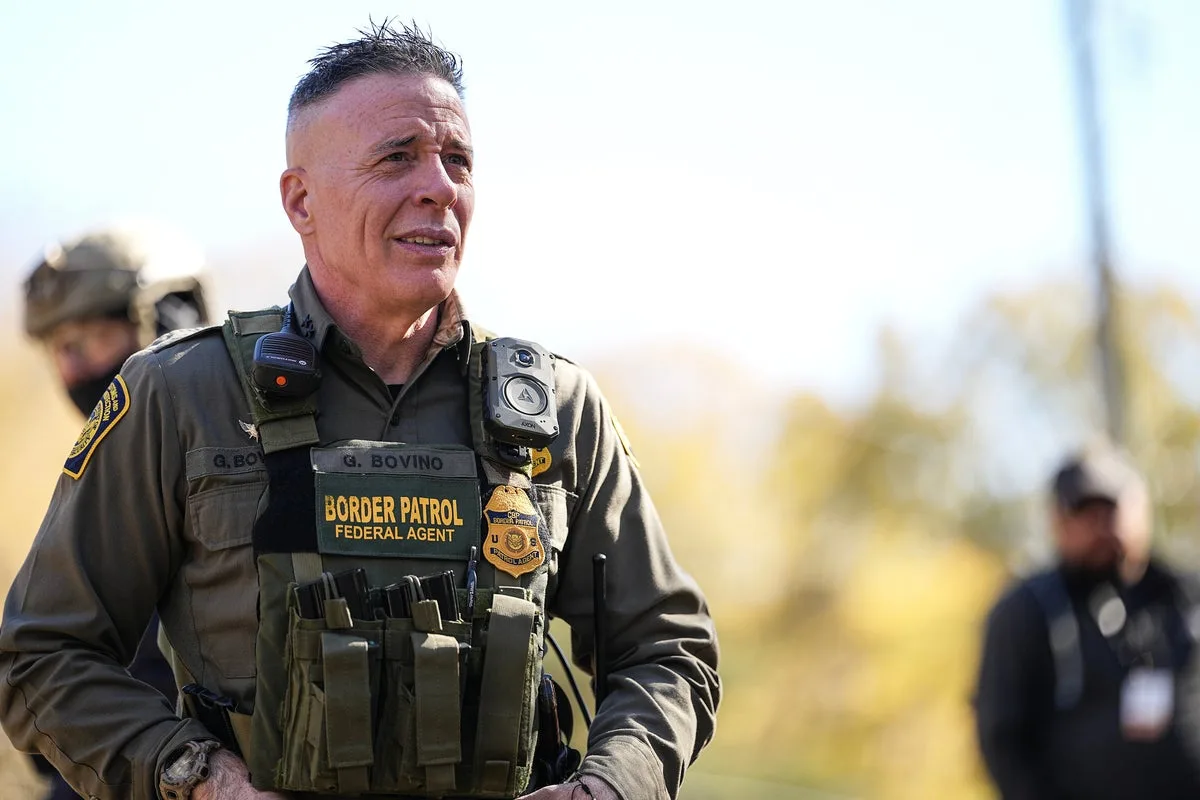
Leading the campaign is Border Patrol commander Gregory Bovino, who has previously overseen aggressive operations in Chicago, Los Angeles and Charlotte, North Carolina. Bovino has become the administration's preferred operative for conducting large-scale, high-profile immigration enforcement campaigns.

Republican Louisiana Governor Jeff Landry has expressed support for the federal agents' deployment, though many residents in the greater New Orleans area, particularly within Latino communities, have reported feeling anxious since plans for the operation emerged earlier this month.

Controversial Tactics and Legal Challenges

Commander Bovino's previous operations have drawn significant criticism and legal scrutiny. During the Chicago operation, federal agents employed dramatic tactics including rappelling from helicopters into residential apartment complexes and deploying pepper balls and tear gas against protesters.

Federal data reveals that while agents arrested more than 600 immigrants during the recent Chicago surge, only a handful had criminal records representing a "high public safety risk." The Border Patrol, which typically doesn't operate in dense urban areas or protest situations, faces multiple lawsuits alleging heavy-handed tactics.

Earlier this month, a federal judge in Chicago accused Bovino of lying and criticised him for deploying chemical irritants against protesters. Despite these controversies, Bovino has defended his agency's operations, stating on social media platform X: "We're finding and arresting illegal aliens, making these communities safer for the Americans who live there."

Local Impact and Community Response

In and around New Orleans, immigration lawyers report being inundated with calls from people seeking to prepare for the impending operation. Miguel Elias, an immigration lawyer, noted that his firm is conducting numerous consultations virtually or by telephone because clients are too frightened to attend in person.

Elias compared the preparations within immigrant communities to hurricane preparedness strategies, with families either deciding to hunker down or evacuate. Many families are stocking up on groceries and arranging for friends to take their children to school to minimise how often they need to leave their homes.

In the days preceding the Border Patrol's planned operations, businesses have displayed signs prohibiting federal agents from entry, while grassroots advocacy groups have organised rights-related training sessions and workshops documenting the anticipated crackdown.

Despite New Orleans' reputation for cultural diversity, only approximately 6.7% of its population of nearly 400,000 is foreign-born, though this figure rises to almost 10% in neighbouring metropolitan areas. This remains well below the national average of 14.3%, according to U.S. census data.

The city's Hispanic population expanded significantly during reconstruction efforts following Hurricane Katrina in 2005 and now constitutes about 14% of the population, according to census data compiled by New Orleans-based Data Center.

The Pew Research Centre estimates that 110,000 immigrants lacking permanent legal status were living in Louisiana as of 2023, representing approximately 2.4% of the state's population, with most originating from Honduras.

Economic Concerns and Legal Framework

Amanda Toups, owner of local restaurant Toups Meatery and organiser of a nonprofit feeding neighbours in need, anticipates the federal operations will negatively affect the city's tourism-dependent economy, which supports much of Louisiana.

"If you're scaring off even 5% of tourism, that's devastating," Toups said. "You're brown and walking around in town somewhere and you could get tackled by ICE and you're an American citizen? Does that make you want to travel to New Orleans?"

The Department of Justice has accused New Orleans of undermining federal immigration enforcement, including it among 18 so-called sanctuary cities. The city's jail, under longstanding federal judicial oversight, typically doesn't cooperate with U.S. Immigration and Customs Enforcement, while its police department considers immigration enforcement a civil matter outside its jurisdiction.

However, Louisiana's Republican-dominated Legislature has enacted laws compelling New Orleans agencies to align with the Trump administration's hard-line immigration stance. One law criminalises "knowingly" hindering federal immigration enforcement, with violations carrying potential fines and up to one year imprisonment.

Lawmakers have additionally expanded the crime of malfeasance in office, punishable by up to 10 years imprisonment, for government officials refusing compliance with requests from agencies like ICE. The legislation also prohibits police and judges from releasing individuals who "illegally entered or unlawfully remained" in the U.S. without providing advance notice to ICE.




