Supreme Court to Hear Landmark Case on Trump-Era Asylum Seeker Policies
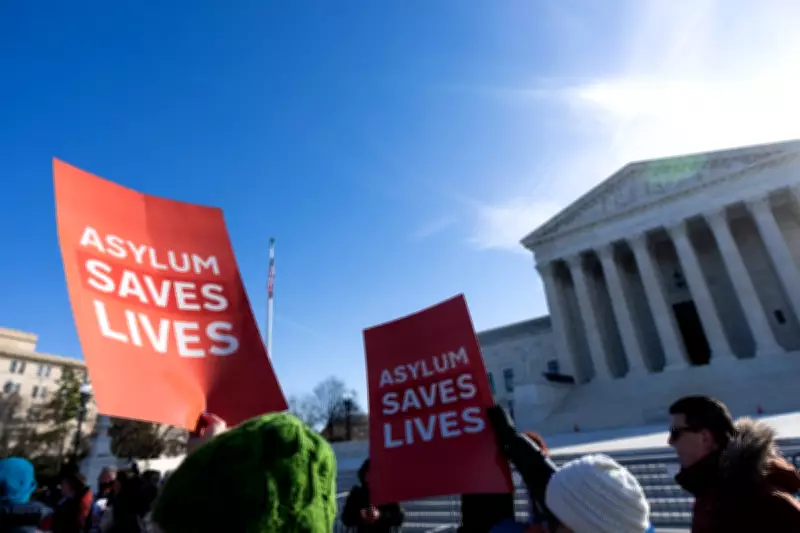
The United States Supreme Court has agreed to hear a significant case concerning asylum seeker policies implemented during the presidency of Donald Trump. This decision marks a critical juncture in the ongoing legal battles over immigration enforcement and executive power.
Background of the Case
The case centers on specific regulations and executive actions from the Trump administration that aimed to restrict asylum claims at the US-Mexico border. These policies were challenged by advocacy groups and lower courts, leading to a series of legal disputes that have now reached the highest court in the land.
Key aspects under review include the legality of measures such as the "Remain in Mexico" policy and other restrictions that required asylum seekers to await their hearings outside the United States. The Supreme Court's ruling could set a precedent for how future administrations handle asylum procedures and border security.

Implications for Immigration Law
Legal experts suggest that this case could have far-reaching consequences for US immigration law. A decision in favor of the Trump-era policies might reinforce executive authority to implement stringent border controls, while a ruling against them could bolster protections for asylum seekers under existing statutes.
The outcome is also expected to influence ongoing debates in Congress and among policymakers regarding comprehensive immigration reform. Stakeholders from both sides of the political spectrum are closely monitoring the proceedings, anticipating potential shifts in enforcement strategies.
Timeline and Next Steps
The Supreme Court is scheduled to hear oral arguments in the coming months, with a decision likely by the end of its current term. The case has drawn attention from various organizations, including human rights groups and government agencies, which have filed amicus briefs to present their perspectives.
As the legal process unfolds, the case remains a focal point in discussions about the balance between national security concerns and humanitarian obligations. The Supreme Court's eventual ruling will undoubtedly shape the landscape of US immigration policy for years to come.