Spice Vapes Marketed to Children on Social Media Platforms
Just metres from security cameras and Transport for London guards, a gangly teenage girl wearing artificial eyelashes handed over three fluorescent pink and blue bottles. Although advertised on TikTok as containing THC, the psychoactive compound in cannabis, these vapes were actually filled with spice—a synthetic, highly addictive cannabinoid known to cause seizures, heart attacks, kidney damage, and psychosis.
Deceptive Marketing Targets Naïve Teenagers
This dealer showed no hesitation in selling what she believed was a schoolchild these dangerous substances. Spice is frequently marketed dishonestly by dealers as THC, exploiting the perception among young people that THC is less harmful. Research indicates that approximately 70 percent of TikTok accounts advertising "THC" products are actually selling spice instead.
To demonstrate how easily young people can be deceived into purchasing spice through social media, a Daily Mail undercover reporter posed as a schoolchild on TikTok. The investigation uncovered at least 60 dealers advertising an estimated £20 million worth of spice across the platform.

Alarming Prevalence in Educational Settings
This follows disturbing research from the University of Bath revealing that a quarter of all vapes confiscated from schools in parts of England contained spice. The undercover reporter arranged a pickup outside Forest Gate station in east London, where the purchased vapes tested positive for spice rather than the promised THC.
From state schools to exclusive private colleges, students are experiencing severe health consequences from this drug. Former heroin addicts refuse to touch spice, yet children are routinely collapsing in classrooms and fighting for their lives in hospitals after using it.
Personal Stories Highlight Addiction's Grip
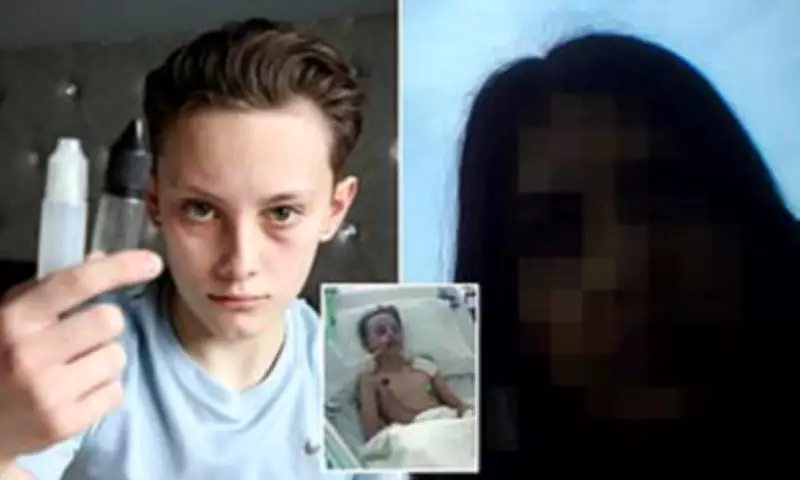
Freddie Fenson, a 14-year-old from Dagenham, represents thousands of British schoolchildren caught in spice's terrifying grip. "The first time I ever tried it was when I was 11, but I got addicted when I was 12… three or four months later I collapsed in the front room," he revealed.
Despite being placed in a medically induced coma and spending months relearning to walk after a spice-induced collapse initially mistaken for an asthma attack, Freddie purchased another vape immediately upon hospital discharge. "You know it's a powerful drug because it put me in a coma but as soon as I got out I went straight back on it," he admitted.
Widespread Use in Educational Environments
Callum, now 20, described how his private sixth form was filled with students using spice vapes "in the back of class, in the toilets, in the changing rooms." He eventually became so dependent that he kept the drug under his pillow, noting its accessibility and undetectability on standard drug tests.
The desperation for these substances has led to students trading valuable items like AirPods, electronics, and even new iPhones for bottles of spice. Freddie recounted how a friend "passed out in assembly after we had a toke" and required hospital transport in a wheelchair.
Academic Research Confirms Crisis
Professor Chris Pudney, who led the University of Bath study, confirmed that spice vape liquid is "extremely cheap and addictive" and "trivially available on social media." He criticized social media platforms and regulators, stating: "The advertisement of this material is illegal, and Ofcom have the power and statutory duty to compel social media companies to both remove this material and prevent it appearing. At present they have not chosen to use those powers."
Professor Pudney emphasized that "international drug gangs are organising themselves via the world's most popular online platforms" and that "TikTok and other social media sites are de facto shop fronts for the multi-million-pound sale of drugs."
Dealer Perspectives Reveal Targeting Strategies
A former drug dealer explained how children are specifically targeted with "low prices, pretty colours, candy-like flavourings and child-friendly packaging of brands like Fanta and Skittles." The markup is substantial, with 10ml bottles selling for £20-£40 despite production costs of mere pennies.

This ex-heroin user admitted he would never touch the "extremely addictive" synthetic substance himself, claiming spice withdrawals appear worse than those from Class A drugs. "I'm an ex-heroin user and the withdrawals of spice look way worse than heroin withdrawals," he stated.
Family Impact and Systemic Failures
Freddie's father, Peter, emotionally described discovering his son's addiction after a near-fatal incident. "He was dead when they arrived…it killed me," Peter said of the ambulance response. He criticized the lack of support from schools and social services, noting that rehabilitation wasn't available for someone Freddie's age, with nicotine gum being suggested instead.
"Schools aren't doing enough to try and find it on kids, but then also what can they do? They don't have metal detectors, they can't have sniffer dogs," Freddie observed about prevention efforts in educational settings.
Regulatory Responses and Official Statements
TikTok responded that "we do not allow the trade or promotion of vaping products or illegal drugs on TikTok and this account had already been removed from our platform before we were approached by the Daily Mail."
An Ofcom spokesperson stated: "The sale and promotion of illegal drugs online can have devastating consequences. Under the Online Safety Act, social media platforms must assess and mitigate the risk of UK users encountering criminal content."
The Department of Health and Social Care expressed sympathy for affected families while highlighting government actions including a public awareness campaign, banning single-use vapes, and proposed legislation to restrict vape advertising. The Department of Education emphasized that "children should never vape" and noted updated guidance for teaching about harmful substances.