The number of people arriving in the UK via small boat crossings this year has exceeded 41,000, a stark milestone that raises serious questions about the Labour government's flagship promise to dismantle people smuggling networks.
Record December Day Amid Seasonal Lull
According to the latest data from the Home Office, 803 individuals made the perilous journey across the English Channel in 13 dinghies during operations that began overnight on Friday and continued into Saturday. This marks the highest single-day total since October 8, when 1,075 people crossed. Notably, it also appears to be a record for a day in December over the past seven years, based on data stretching back to 2018.
The cumulative total for 2025 now stands at 41,455 people. This figure edges closer to the annual record of 45,755, which was set at the end of 2022. December is typically one of the quietest months for such crossings due to harsh winter conditions, including low temperatures, poor visibility, and stormy weather. The record for December arrivals was set just last year, in 2024, with 3,254 people. So far this December, 2,163 people have arrived.
On-the-Ground Realities Challenge Official Narrative
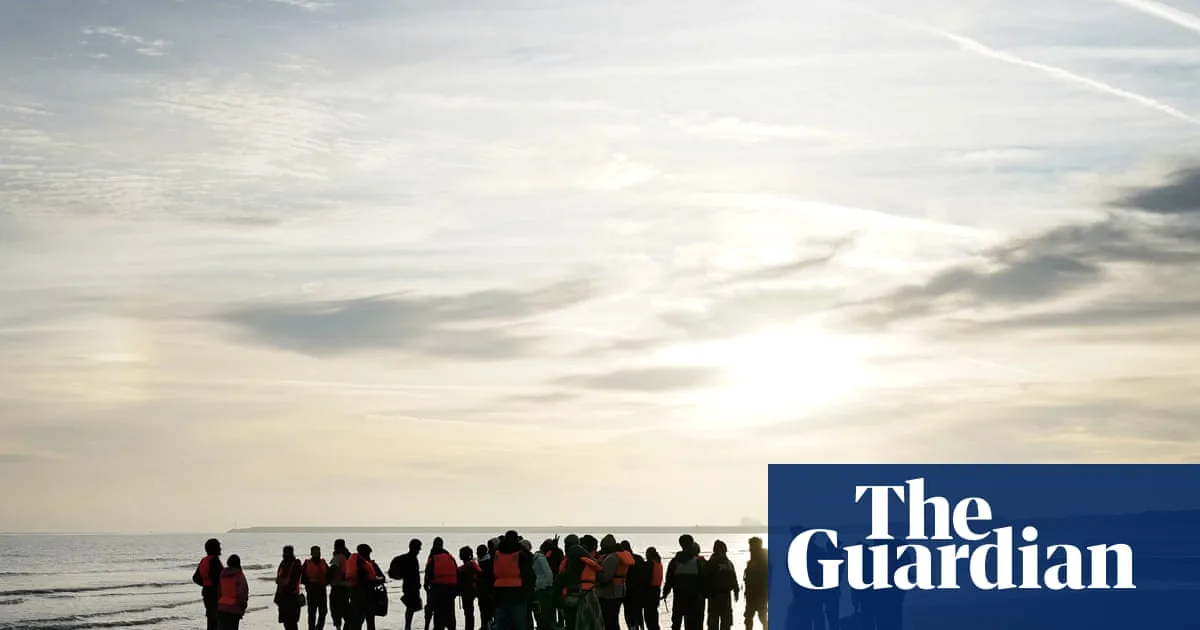
The crossings followed a busy night where numerous boats were seen departing from the French coast. On Saturday morning, a Border Force vessel was observed bringing individuals believed to be migrants into Dover, Kent. This activity coincided with emerging video footage showing French police using tear gas against migrants as they attempted to launch a small boat from the town of Grand-Fort-Philippe, near Calais.
Local voices directly contradict any suggestion that government action is curbing the flow. Matthew Coker, a fisherman from the area, described claims that Labour was getting on top of the problem as "farcical." He attributed a recent lull in November crossings solely to a prolonged period of severe winds and rough seas, not policy success. "I've only had three [fishing] trips in the last 28 days – and they were quite rough," Coker stated. "There has been no weather at all where a migrant boat would have managed to cross."
International Efforts and Government Response
In response to the crisis, the government continues to pursue so-called 'upstream' initiatives with international partners. This week, Germany passed a new law that could see people smugglers face up to 10 years in prison for attempting to bring migrants to the UK. The law, set to take effect before year's end, aims to enhance law enforcement powers and improve information sharing between the two nations.
Foreign Secretary Yvette Cooper commented, "This major change in German law is the result of our close partnership working to tackle illegal migration and organised immigration crime. We will continue to ramp up our international co-operation to strengthen our own border security." France has also indicated new plans to intercept small boats at sea before they can pick up passengers destined for the UK.
A Home Office spokesperson said: "The number of small boat crossings are shameful and the British people deserve better. This Government is taking action. We have removed almost 50,000 people who were here illegally, and our historic deal with the French means those who arrive on small boats are now being sent back." The spokesperson also pointed to the Home Secretary's announcement of sweeping reforms designed to remove incentives for illegal migration and scale up removals.




