
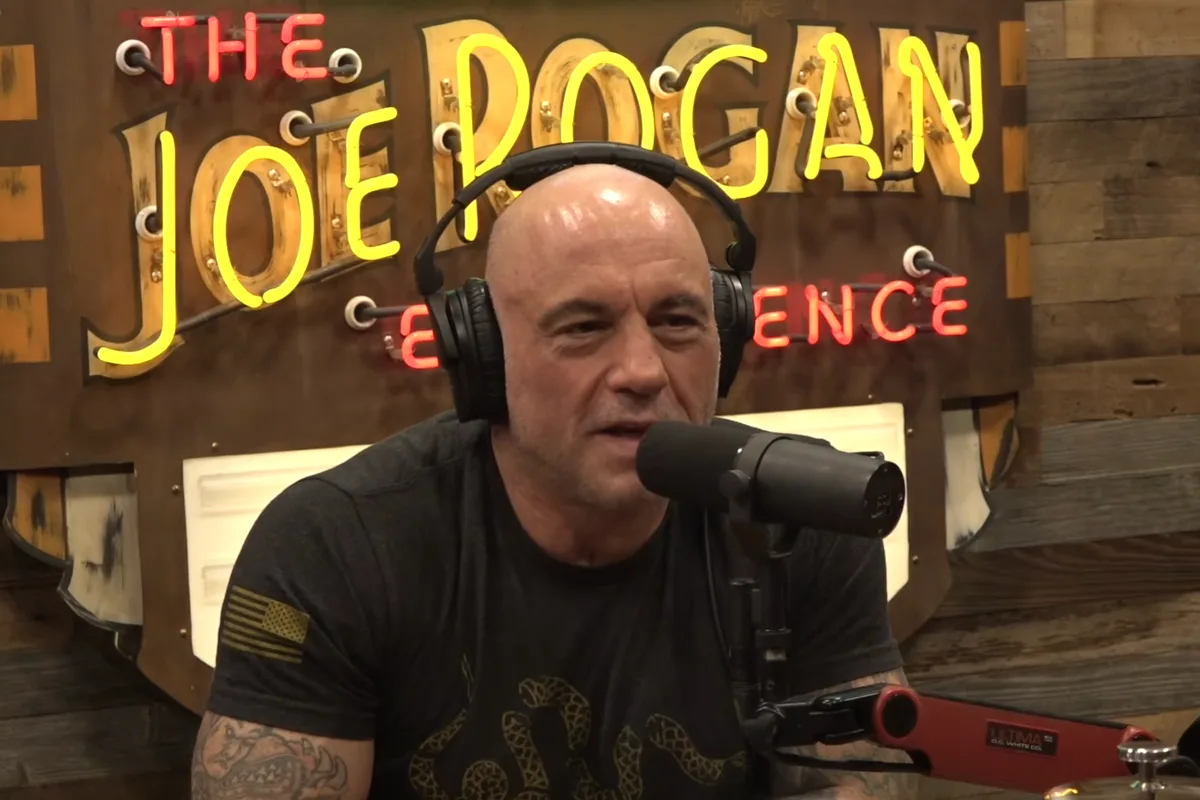
Joe Rogan, once a supporter of President Donald Trump, has shifted his stance, stating on his podcast that both former President Barack Obama and former Secretary of State Hillary Clinton were tougher on illegal immigration than Trump.
On the Joe Rogan Experience, Rogan recalled Clinton's 2007 comments on illegal immigration, calling them “hardcore.” He quoted her saying, “If you’ve been convicted of a crime, get out. If you stay here, pay a stiff penalty, and you have to get in line, and you have to learn English.” Rogan noted that “everyone cheers” at her stance, describing it as “a hardcore right-wing 2026 perspective.”
Speaking with former U.S. Army Chief Warrant Officer Bill Thompson, Rogan added, “Obama deported more people than Trump did.” During Obama's first year of his second term, he deported 409,849 people, compared to fewer than 260,000 in Trump's first year of his first term. The Department of Homeland Security claimed in January that “nearly 3 million illegal aliens have left the U.S. because of the Trump administration’s crackdown on illegal immigration,” with over 675,000 deported.
Hardline immigration policies have been a key feature of Trump's second administration, but a joint Washington Post, ABC News, and Ipsos poll found that 58 percent of respondents believe Trump has gone too far in his deportation efforts. Disapproval has been fuelled by incidents such as the killings of Alex Pretti and Renee Good by ICE agents, which sparked protests and accusations of abuse of power.
Rogan has also criticised Trump over other issues, including the decision to start a war with Iran. “It just seems so insane based on what he ran on,” Rogan said, noting that many feel betrayed as Trump promised “no more wars.”




