Local Prosecutors Launch Initiative to Counter Federal Immigration Enforcement Tactics
A coalition of local prosecutors, deeply concerned about recent immigration enforcement operations and the perceived absence of federal accountability, has formally launched a strategic project aimed at addressing what they label as federal overreach and unconstitutional behaviour. The initiative, announced on Wednesday, 28th January 2026, represents a coordinated response from legal officials across multiple jurisdictions who argue that aggressive federal tactics are undermining justice and public trust.
The Fight Against Federal Overreach Programme
The newly established programme, named Fight Against Federal Overreach, employs a tongue-in-cheek reference to a popular meme and acronym previously used within political circles to taunt opponents. This branding underscores the group's critical stance towards current federal immigration enforcement strategies, which they believe have escalated beyond legal boundaries.
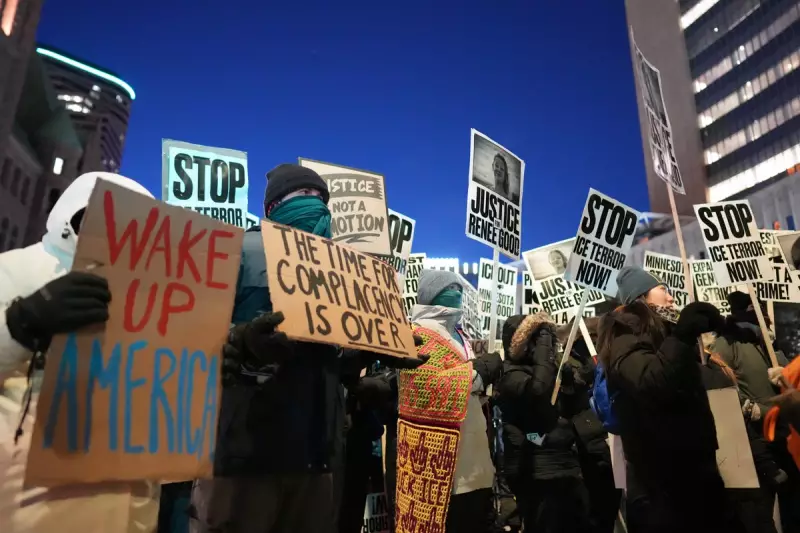
Officials in Minnesota, alongside criminal justice experts and former federal prosecutors, have voiced increasing criticism of the federal response to enforcement operations in Minneapolis and surrounding areas. The fatal shooting of Alex Pretti on Saturday, along with another civilian death at the hands of federal officers, has ignited substantial public outcry, drawing condemnation from both Democratic and Republican officials and sparking widespread protests.
Prosecutors Voice Grave Concerns Over Enforcement Methods
Larry Krasner, the District Attorney of Philadelphia and a founding member of the group, expressed unprecedented alarm at the law enforcement tactics recently observed in U.S. cities. "I've never before seen the law enforcement tactics and attitude recently apparent in U.S. cities," Krasner stated. He criticised officers who conceal their faces and badge numbers as unprofessional, attributing their actions to directives from authorities with a flawed understanding of the law. Krasner specifically referenced a declaration by Vice President JD Vance granting officers immunity from prosecution, which he views as a dangerous precedent.
"A functional Department of Justice, gone. Functional United States attorneys offices applying the law in an even handed way, gone. Good, qualified officials within those organizations, they're retiring, resigning or leaving," Krasner lamented. "It used to be, you could rely on the federal government to rein in rogue sheriffs who are killing people on the side of the road ... but now the federal government are the rogue sheriffs."
Local Authorities Step In Amid Federal Failures
Krasner emphasised that local officials must now fill the void left by failing federal authorities, particularly because there is no federal pardon power for state-level convictions. The Associated Press contacted the Department of Homeland Security for comment on the group's accusations but did not receive an immediate response. However, DHS Secretary Kristi Noem and other leaders have previously defended officers' practices in Minneapolis and elsewhere as constitutional and necessary.
Federal officials have denied Minnesota investigators access to the scenes following the fatal shootings of Pretti and Renee Good. They also asserted that the Justice Department's Civil Rights division need not open an investigation into these deaths, despite it being a longstanding practice after such fatal encounters. This stance has further fuelled allegations of a lack of accountability and transparency.
Coalition Highlights Widespread Negative Impacts
The coalition includes prominent figures such as Hennepin County Attorney Mary Moriarty, whose jurisdiction encompasses Minneapolis and St. Paul, along with prosecutors from Austin, Texas, and several Virginia jurisdictions. They argue that the actions of immigration officers involved in enforcement operations are having detrimental repercussions on the entire criminal justice system.
Krasner highlighted that immigration agents have been monitoring courthouse proceedings, targeting and arresting individuals just outside these buildings. This practice, he warned, creates a chilling effect where victims of crime fear reporting incidents, and witnesses and defendants are reluctant to attend court, thereby obstructing justice.
Local officials are growing increasingly concerned about practices including warrantless entries, unlawful detentions, and other coercive enforcement tactics. "I think what we are feeling is the same thing the country is feeling," Krasner remarked. "We are in general underreacting, though the country seems to be getting it right now. It’s as if they were willing to be pushed and pushed and pushed, and they were pushed off a cliff ... and it’s now too far."
This project marks a significant escalation in the ongoing tension between local and federal authorities over immigration enforcement, setting the stage for potential legal and political confrontations as prosecutors seek to uphold constitutional standards and ensure accountability in an increasingly polarised landscape.