Migrant Camps in Mexico City Face Demolition as Asylum Seekers Stranded
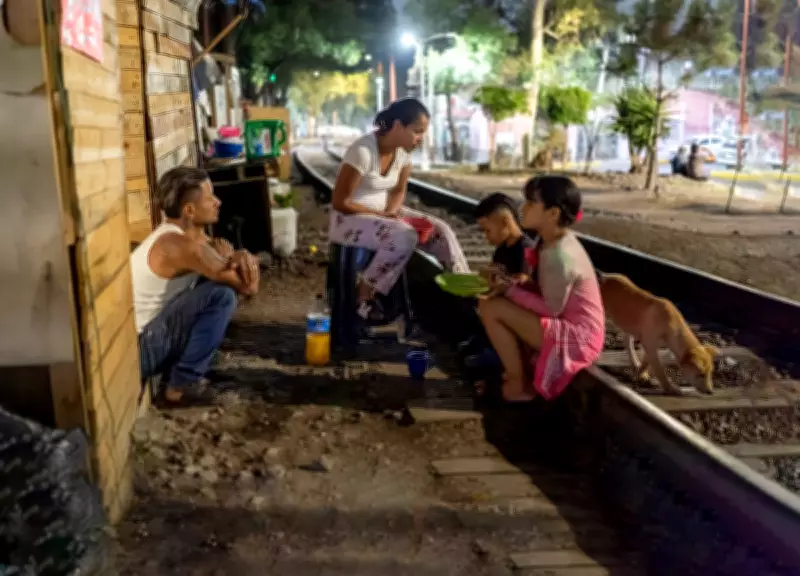
In Mexico City, the journey to the United States has reached a critical impasse for many asylum seekers. The Vallejo informal migrant camp, one of the last remaining shelters, is now under threat of demolition as Mexico begins evicting residents. This camp, housing over 200 people, primarily families from Venezuela and Honduras, was established following changes to US legislation in 2022 that led to a surge in arrivals.
Families Trapped in Limbo Amid US Policy Changes
Under President Donald Trump's executive orders and a recent congressional bill, the US has allocated nearly $50 billion to border wall construction and anti-migration measures. This has drastically altered migration patterns across the Americas. Previously, asylum seekers could reach the US from Mexico and present their cases before judges. Now, many find themselves stuck in Mexican cities, fearful of returning to their home countries yet unable to proceed north.
Edicson Parra, his wife Andrea, and their four children left Venezuela in August 2024, hoping to reach the US. They now reside in the Vallejo camp, where Parra works on a construction site earning $20 daily while his wife cares for their children. "I wanted to go to the US," Parra says, "but the American dream no longer exists for anyone; it's a lie. Right now, they're persecuting migrants – everyone is paying." He adds that survival in Mexico is challenging, with migrants lacking rights, echoing conditions in Venezuela.

Harsh Living Conditions and Personal Struggles
The Vallejo camp, built along a railway track where a rubbish train passes weekly, lacks running water and sanitation. Residents live in pallet and plastic shelters, facing grim conditions. Ronel Salazar and his wife Genesis, with their children Matias and Sophia, have been out of Venezuela for seven years. After living in Peru, they attempted to reach the US, enduring a hostage situation in Veracruz for cartel fees. Now in the camp since April, they plan to apply for asylum in Mexico and stay in Mexico City.
Other residents include Angela Ortegana Garboza, a 24-year-old single mother from Venezuela who was sexually assaulted twice while crossing the Darién Gap. She hopes to reach the US to support her two other children back home. Andrés Castro, who lost a leg falling from "the Beast" train a decade ago while trying to reach the US, now sells candy at a traffic stop in Mexico, still dreaming of America.
Policy Shifts and Eviction Fears
In 2022, thousands of Venezuelans were deported to Mexico under Title 42 expansions, leading to makeshift camps housing about 3,000 people in Mexico City. With the Trump administration terminating the Customs and Border Protection app in January last year, migrants lost a key tool for asylum appointments. Now, they have no clear path forward, and camps like Vallejo are being dismantled, leaving residents in fear of eviction.
Luis Guevara, his wife Rosely, and their four children self-deported from the US after anticipating Trump's presidency. They now live in the camp, highlighting the desperation of families seeking dignity. A note on one shelter reads: 'Mother and child working, please do not destroy it, thank you.' Many families have children enrolled in nearby schools, adding to the instability.
Uncertain Futures for Stranded Migrants
As Mexico demolishes camps, migrants face limited options: some wait for a potential border opening, others consider returning home, and many attempt to build new lives in Mexico. The Central Border Monitoring Group reports that six camps were set up due to overwhelmed shelters and lack of government resources. With evictions underway, the future remains uncertain for these asylum seekers, caught between harsh policies and dwindling hope.