El Salvador's Sweeping Mass Trial of Nearly 500 MS-13 Gang Members
Prosecutors in El Salvador have initiated a massive consolidated trial against nearly 500 alleged members of the notorious MS-13 gang, marking a significant escalation in President Nayib Bukele's controversial security policies. The trial, which commenced on Monday in San Salvador, targets individuals accused of orchestrating tens of thousands of crimes, including homicide, extortion, arms trafficking, femicide, and enforced disappearances.
Details of the Trial and Accusations
The 486 defendants are alleged to be members of MS-13, also known as Mara Salvatrucha, and are charged with ordering more than 47,000 crimes between 2012 and 2022, according to Salvadoran government statements. Attorney General Rodolfo Delgado emphasized the gang's impact, stating on social media that this structure has operated systematically for years, instilling fear and causing mourning among Salvadoran families.
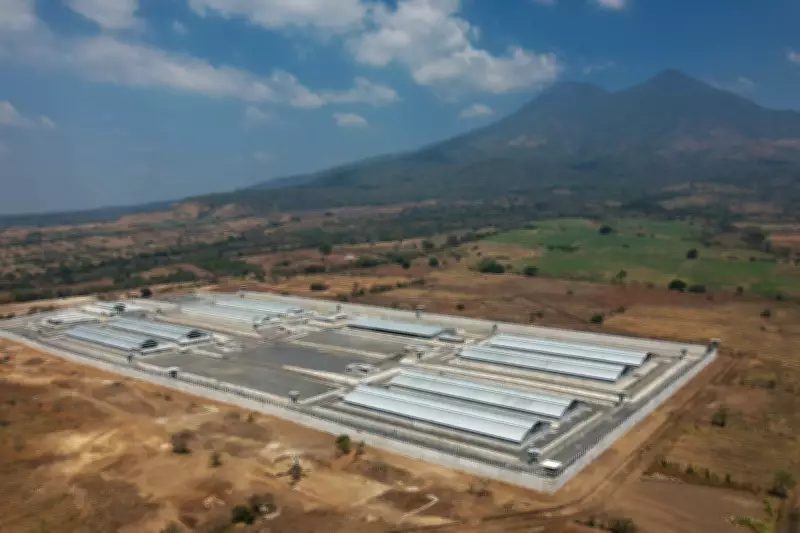
The trial is being conducted in an open hearing at an Organized Crime Court, facilitated by a 2023 reform of El Salvador's Penal Code. Of the defendants, 413 are detained at the Terrorism Confinement Center (CECOT), a maximum-security prison symbolizing Bukele's hardline approach, with many participating virtually from the facility. Another 73 alleged gang members are being prosecuted in absentia, as permitted by law.

Human Rights Concerns and Criticism
This mass trial is the latest in a series of collective proceedings that have drawn sharp criticism from human rights groups and international bodies. Critics argue that such trials undermine the right to defense and the presumption of innocence, with U.N. experts and organizations like the Inter-American Commission on Human Rights expressing serious worries about due process violations.
The concerns are amplified by El Salvador's ongoing state of emergency, in place since March 2022, which has suspended fundamental rights. Under this measure, security forces can intercept telecommunications without court orders, detention without a preliminary hearing is extended from 72 hours to 15 days, and rights such as being informed of detention reasons and accessing legal counsel are curtailed.
Context of Bukele's Security Policies
President Bukele's iron fist approach against criminal groups has been implemented against a backdrop of historically high violence in El Salvador. In 2015, the country recorded one of the world's highest homicide rates at 103 per 100,000 inhabitants. Since Bukele took office in 2019, government statistics show a drastic drop in homicides, but human rights groups attribute this to policies that compromise legal safeguards.
Authorities report arresting 91,300 people allegedly linked to gangs since the state of emergency began. However, human rights organizations document thousands of arbitrary detentions, over 6,000 complaints from victims, and at least 500 deaths in state custody. Bukele has acknowledged that at least 8,000 innocent people were arrested under the measure and later released.
Precedents and Future Implications
This trial follows earlier collective proceedings, such as the March 2025 case where 52 members of the Barrio 18 gang received sentences up to 245 years, and a November 2025 trial that resulted in a 397-year prison term for a leader of the Barrio 18 Sureños faction. These cases highlight the government's aggressive stance but continue to fuel debates over justice and human rights in El Salvador.