Mass Deportations Disrupt Rural Wisconsin's Tranquil Existence
The relative quiet of small towns in western Wisconsin has been shattered by the aggressive implementation of former President Donald Trump's mass deportation agenda. Immigration and Customs Enforcement (ICE) agents have extended their operations beyond metropolitan areas, infiltrating rural communities and arresting dozens of residents, creating an atmosphere of pervasive fear and disruption.
Families Torn Apart and Businesses Impacted
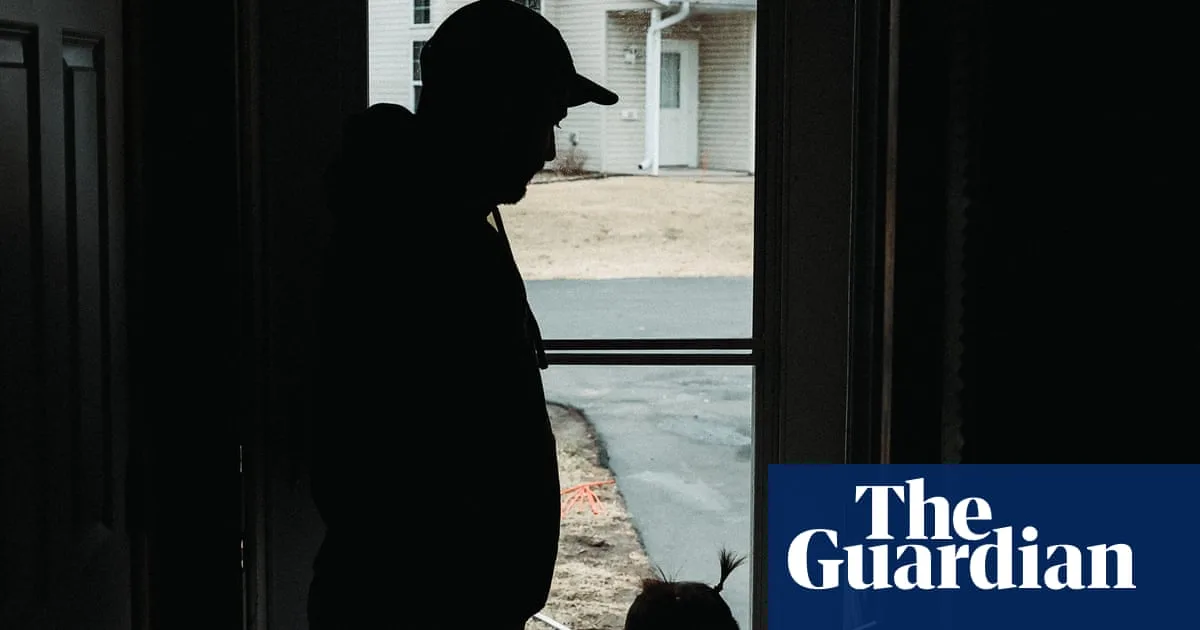
In St. Croix County, a Venezuelan immigrant identified only as J lives in constant anxiety after federal agents apprehended his wife while she was driving near their home in February. Now, J remains indoors, caring for their 18-month-old daughter who cries for her mother at night. "The United States is the American dream, that's what they call it," J said in Spanish. "But no, it wasn't like that." His wife, despite having a work permit and signing voluntary departure papers, endured weeks of detention before finally being deported to Venezuela in March.
Local businesses have suffered significantly. A Mexican restaurant in Baldwin where multiple employees were arrested in February remains closed, with a 'for sale' sign now visible outside. An Ecuadorian market in a nearby town, also targeted by agents, has reopened cautiously with a sign instructing customers to ring the bell before entering. Jairo Sarango, owner of EcuaMarket in Hudson, reports a steep decline in business as his Latino clientele fear leaving their homes.
Baldwin: A Conservative Town Under Siege
Baldwin, Wisconsin, a predominantly white Republican-leaning town of approximately 4,000 residents, has been particularly hard hit. Local estimates suggest more than 50 people were taken by federal agents during peak operations in January and February. Despite its conservative political leanings, Baldwin has experienced growing immigrant population in recent years, with Latino groceries and restaurants now dotting the main street alongside traditional American businesses.
"I really think that they came into small towns thinking there would be no resistance," said Julie N, a volunteer who assists local immigrants. "And in a way, there wasn't the resistance to stop them right away, because there aren't enough people." However, community opposition has gradually organized, with residents now making clear that federal agents cannot operate without local pushback.
Community Response and Organizing Efforts
Mutual aid networks have emerged as crucial support systems, delivering groceries and supplies to families who have lost household members to deportation. Volunteers provide transportation for those afraid of being pulled over and swiftly detained. Denise Flaherty, a local retiree assisting approximately 50 immigrant families, describes her work as "after-the-fact triage" addressing mounting unpaid bills and practical needs.
Jenelle Ludwig Krause, organizing with the newly formed group Safe Neighbors, emphasizes the broader implications. "I care very deeply about what happens in Baldwin and what kind of community I'm part of," she said. "What has happened in Baldwin is happening in a lot of other towns and is about to happen in thousands and thousands of more towns."
Local Government Response and Police Involvement
Residents have raised serious concerns about potential collaboration between local law enforcement and federal immigration agents. During a February village board meeting, more than a dozen community members spoke out, calling for an ordinance that would prohibit federal agents from using village-owned properties for staging operations and clarify that Baldwin police should not participate in immigration enforcement.
Baldwin Police Chief Kevin Moore maintains that his department does not work with federal agents or enforce immigration law. "Politics does not guide how we police our community," Moore stated during the meeting. "Personal beliefs, national debates and political viewpoints do not influence how we respond to calls for service." Despite these assurances, the village board subsequently removed the public comment period from their March meeting after residents requested the immigration issue be added to the agenda.
Lingering Fear and Psychological Impact
The psychological toll on the community continues to mount. A local English teacher wrote to the Baldwin Bulletin describing how her students worry their parents won't be home when they return from school and feel uncomfortable attending field trips. "On New Year's Eve, students called me crying because ICE activity was happening where they live," she wrote. "These were children calling their teacher because they didn't know who else was safe."
Naturalized citizens now carry their passports out of fear, while families develop contingency plans for potential detention. One woman reported that her husband, of Mexican descent, hasn't left their home in a month after a suspicious vehicle stopped and stared at him, making him feel "like a prisoner in his own home."
Broader Implications and Uncertain Future
The Department of Homeland Security declined to address specific questions about why Baldwin was targeted or whether operations continue in western Wisconsin. A spokesperson stated: "Every day, DHS enforces the laws of the nation across the country including in Minnesota and Wisconsin to keep Americans safe. ICE agents uphold our nation's immigration laws in all 50 states."

As the community grapples with the aftermath, Ludwig Krause notes that responses don't fall neatly along political lines. "For many, taking care of each other in a small town is a way of life," she observed. "Our community is growing, it's thriving, we're grateful, and we want to take care of everyone, regardless of the color of our skin or how much money we have in our pocket." The experience in Baldwin serves as a stark warning of how national immigration policies can disrupt even the most seemingly insulated communities.





