Manchester Vigil for Khamenei Erupts in Clashes with Anti-Regime Protesters
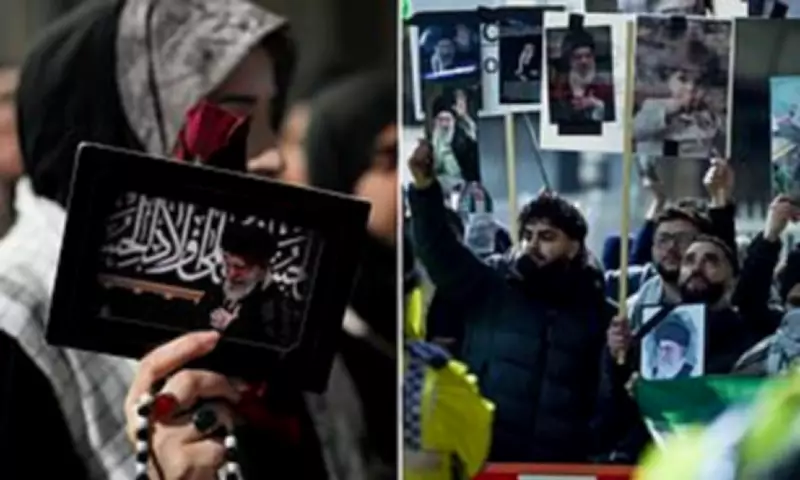
Tensions flared in Manchester city centre as mourners holding a candlelit vigil for the late Iranian Supreme Leader Ayatollah Ali Khamenei clashed with anti-regime protesters. The event, which took place on Wednesday evening at Sidney Street, was organised to commemorate Khamenei, who was killed in joint US-Israeli strikes on Saturday morning. Khamenei presided over a regime accused of brutal repression, including the slaughter of thousands of citizens, oppression of women, and funding of terrorist organisations.
Vigil Details and Support
The vigil, scheduled for 8pm, invited attendees to honour the 'late Supreme Leader Ayatollah Seyed Ali Husseini Khamenei'. It was supported by the Friends of Islamic Centre of Manchester, with posters promoting the gathering. Mourners waved Palestinian flags, carried pictures of the ayatollah, lit candles, and left messages expressing admiration for him. One poster controversially read 'Killed at the hands of Zios', using a pejorative term for Zionists popularised by Ku Klux Klan Grand Wizard David Duke. Another sign emphasised that 'Mosques are a sacred place of worship'.
Counter-Protests and Confrontations
Simultaneously, Iranian pro-monarchy demonstrators gathered nearby, leading to tense exchanges as police intervened to separate the two sides. Counter-protesters burned pictures of Khamenei, waved US and Israeli flags, and displayed the pre-1979 Islamic Revolution flag of Iran. They also carried photos of Reza Pahlavi, son of the last Shah of Iran, with signs proclaiming 'Pahlavi will return'. In response, some vigil participants burned images of Israeli Prime Minister Benjamin Netanyahu and urged a boycott of Israeli dates.

Police Response and Statements
Assistant Chief Constable of Greater Manchester Police, Chris Sykes, addressed the situation beforehand, acknowledging the strong emotions tied to events in the Middle East. He stated that police were aware of both the vigil and counter-protest plans, engaging with organisers to ensure peaceful gatherings. Sykes explained that gatherings cannot be banned unless there is a clear risk to life and property, a high threshold under current legislation. He emphasised that GMP is well-resourced to manage such events, prioritising public safety and dealing with any lawbreakers.
Broader Context and Reactions
The vigil followed criticism of Islamic societies at British universities for tributes to Khamenei. Over a dozen student-led societies expressed condolences, with some hosting similar events. For instance, Ahlul-Bayt Islamic societies at the University of Manchester participated in the vigil and plan a Friday gathering to 'remember the martyrs of the recent strikes'. University College London's ABSoc described Khamenei's killing as 'martyrdom', urging against rejoicing over Muslim blood. Internationally, former US President Donald Trump branded Khamenei 'one of the most evil people in history', confirming his death and praising the intelligence operation with Israel.
Aftermath and Succession
Authorities in Iran postponed Khamenei's funeral on Wednesday amid ongoing US-Israeli strikes. A successor has not been officially confirmed, but his son Mojtaba Khamenei appears poised to take over, backed by the powerful Revolutionary Guards. The Manchester incident highlights the deep divisions within the Iranian diaspora and the global repercussions of Khamenei's death, as communities grapple with his legacy of repression and violence.