Shabana Mahmood Unveils Controversial Immigration Reforms Amid Labour Uproar
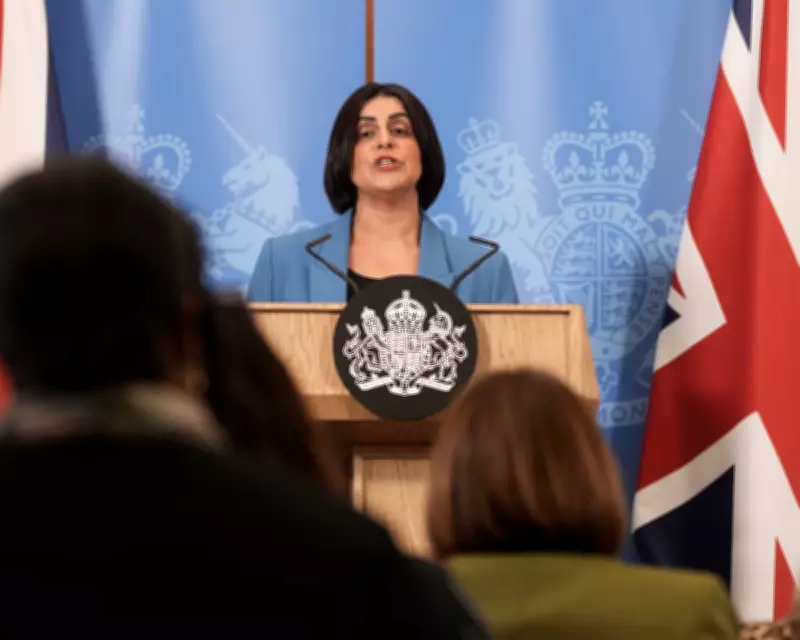
Home Secretary Shabana Mahmood has ignited a fierce political storm by announcing a comprehensive overhaul of the UK's immigration system, placing herself on a direct collision course with numerous Labour MPs. The proposals, unveiled in a speech at the Institute for Public Policy Research in Westminster, include terminating permanent refugee status and withdrawing government support from asylum seekers deemed ineligible or law-breaking.
Key Proposals and Immediate Backlash
Mahmood detailed plans to launch a pilot project offering up to £40,000 each to 150 families with rejected asylum claims to leave voluntarily, with a seven-day decision window before facing forcible removal. She argued that British generosity must be conditional on adherence to laws and rules, stating taxpayer-funded accommodation should be reserved for those truly destitute. The home secretary emphasized the need to restore border control and counter the rise of hard-right parties like Reform UK, warning that failure to act could cede ground to groups with opposing values.
However, the announcement triggered an immediate and vocal backlash from within her own party. Labour MP Tony Vaughan, representing Folkestone and Hythe, organized a letter signed by approximately 100 colleagues, condemning the proposals as undermining integration and social cohesion. He asserted that threatening long-term refugees with removal fosters insecurity and community fractures, rather than rebuilding public trust.

Accusations of Trump Mimicry and Windrush Fears
Stella Creasy, MP for Walthamstow, echoed these concerns, highlighting the unfairness of subjecting refugees, including Ukrainians, Iranians, and Afghans, to perpetual limbo by reviewing their status every 30 months. She predicted a Windrush-style scandal, noting that such measures were not part of Labour's manifesto. Sarah Owen, a leader of the centre-left Tribune group, accused the plans of mimicking Donald Trump's immigration policies, particularly citing the potential deportation of children as reminiscent of ICE detention practices. Owen warned that the proposals and their delivery language could harm the economy, integration, and social cohesion at a critical time.
Parliamentary and Legal Implications
Labour MPs are now preparing for a possible Commons rebellion, as some measures require parliamentary approval. Mahmood has laid three pieces of secondary legislation allowing the removal of support from asylum seekers with criminal sentences of 12 months or more, those working, or those with sufficient funds. MPs have 40 days to object and force a vote. Additionally, later this year, separate legislation will extend the wait for settled status to 10 years for some, such as benefits claimants, doubling the current period.
Criticism from Refugee Groups
Refugee organizations strongly criticized the plans. Mubeen Bhutta, policy director at the British Red Cross, argued that making life harder does not deter people fleeing persecution. Imran Hussain of the Refugee Council expressed concerns over the seven-day decision period for families, warning it risks chaos and could lead to distressed children being detained and deported. He emphasized that many families fear returning to unsafe countries, and the lack of legal advice exacerbates the issue.
The controversy highlights deep divisions within Labour and raises questions about the government's direction on immigration, with critics labeling it both politically and morally misguided.