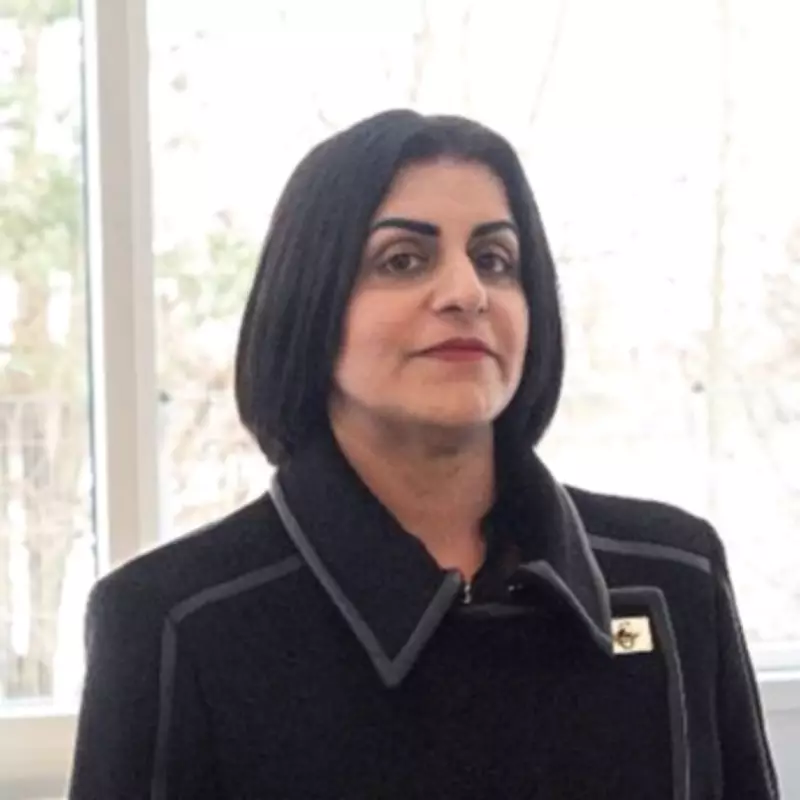
Home Secretary Shabana Mahmood Unveils Sweeping Asylum System Reforms
Home Secretary Shabana Mahmood has announced a significant transformation of the United Kingdom's asylum framework, introducing mandatory reviews of refugee status every 30 months. This hardline policy shift, confirmed today, represents one of the most substantial changes to the system in recent years, aiming to tighten border controls and reduce incentives for illegal migration.
Key Changes to Refugee Status and Return Expectations
Under the new measures, refugees whose countries of origin are subsequently assessed as safe will be expected to return home, marking a departure from previous rules that granted five-year status with a pathway to indefinite leave to remain. Starting immediately, refugees must renew their permission to stay through standard visa routes, including payment of associated fees, similar to other legal migrants.
The Home Office emphasised that this approach is designed to prevent the asylum system from creating pull factors that encourage dangerous journeys, often facilitated by human traffickers. In a statement, Ms Mahmood articulated the government's position, stating, "This country will always provide sanctuary to those fleeing war and persecution. But we must also ensure our asylum system is not creating pull factors that draw people on dangerous journeys across the world, fuelling and funding the human traffickers."

Implementation Details and Exemptions
The reforms will apply to adults with accompanied children who claim asylum from today onward, granting them an initial 30-month protection period before review. Importantly, individuals who have already received asylum status are not expected to be impacted by these changes. Unaccompanied children will continue to receive five years' leave while authorities develop a long-term policy for this vulnerable group.
Ms Mahmood, who recently visited Denmark to study its stringent asylum and immigration systems, defended the policy as "a firm but fair approach, restoring order and control of Britain's borders, while protecting those fleeing war and repression." She added that genuine refugees would still find safety in Britain, but the government aims to reduce incentives for those without legitimate protection needs.
Criticism from Refugee Advocacy Groups
The Refugee Council has expressed strong concerns about the potential consequences of these reforms. Imran Hussain of the organisation warned, "Short-term leave means refugee families who have survived war, persecution and unimaginable danger will face renewed uncertainty every 30 months, damaging integration in the long term. These men, women and children should be able to put down roots: settle into communities, learn English and find work."
Additional Measures and Future Directions
Alongside the review system, the Home Office announced plans to establish new safe and legal routes for asylum seekers, aiming to shift migration away from perilous Channel crossings. This dual strategy seeks to balance humanitarian protection with enhanced border security, though it has sparked debate about its impact on refugee welfare and integration efforts.
The government asserts that these reforms will create a more sustainable and controlled asylum process, addressing both immediate border challenges and long-term migration management. However, critics argue that the 30-month review cycle may undermine stability for refugees rebuilding their lives in the UK.