Lakemba Residents Express Mixed Views on ISIS Brides' Return
Residents of Lakemba, one of Australia's most prominent Muslim suburbs, are deeply divided over the imminent return from Syria of up to 34 women and children formerly associated with Islamic State. The controversy follows Home Affairs Minister Tony Burke's confirmation that the families have been granted travel documents, with speculation mounting that some could arrive within days as their tents in the Al Roj internment camp have reportedly been dismantled.
Community Concerns and Security Fears
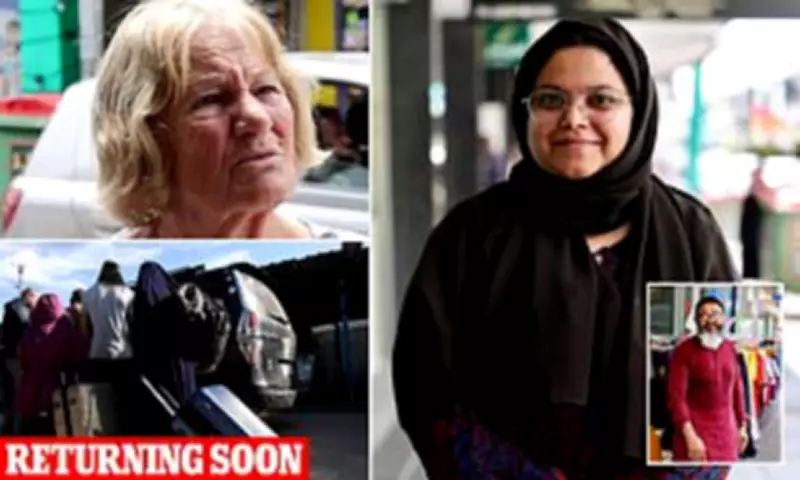
Many locals echo Prime Minister Anthony Albanese's recent sentiment that "if you make your bed, you lie in it," arguing the door should remain closed to those who voluntarily traveled to join ISIS. A worker from Lakemba's Uniting Church expressed particular concern about community safety so soon after the December 14 Bondi Beach terror attack that claimed 15 lives.
"They shouldn't be allowed to return," the church worker told reporters. "They made that choice to go overseas, and now because things aren't working out, they expect to come back. We have values and a high moral outlook on life."
The worker acknowledged sympathy for the children but emphasized: "Considering we need healing in Australia, I don't think it's a good idea to increase risk by allowing them back. It's the wrong time."
Divergent Perspectives on Citizenship and Monitoring
Local resident Jeffrey expressed a different view, suggesting the women wouldn't necessarily pose a security threat unless they actively engaged in violence. "No, I don't think that, unless they strap a bomb suit on themselves," he said, though he acknowledged they had willingly traveled to join Islamic State.
Married couple Hasan and Syeda described the women as "extremists" who should remain "always under surveillance" for community safety. Meanwhile, Campbelltown mother Saba emphasized Australia's multicultural values: "Everywhere has good and bad people. In Australia, we are multicultural so everyone should be given a chance."
Arguments for Rehabilitation and Reintegration
Several residents advocated for the women's return with proper monitoring and support systems. Salwa, a Lakemba local, argued: "All citizens have the right to come back. They have given commitment to the country." She suggested thorough police checks and random monitoring if doubts existed.
Egyptian immigrant Tarek proposed creating specialized camps with counselors and secular scholars to help the families reintegrate. "These people are misguided, very young and easy to brainwashed," said the retired teacher. "When they learn right information, they can choose the right path."
Mother of four Faryal added: "They have no husband, no family over there. If we bring them here, we will make them better humans. The children are little - if you give them love, they will be lovely. Accept them."
Political Controversy and Official Actions
The debate occurs amid political controversy, with Opposition attorney-general spokeswoman Michaelia Cash accusing the government of deceiving Australians about their involvement. Burke has revealed a temporary exclusion order was enforced on one bride following security advice, but Cash argues more should be implemented immediately.
The families' attempted departure from Al Roj camp on Monday was initially thwarted by paperwork issues, but reports now suggest a government delegate may accompany them to Australia - despite Prime Minister Albanese denying government support for the group.
Lakemba, where 61.2% of residents identify as Muslim according to 2021 Census data, finds itself at the center of a national debate balancing security concerns, citizenship rights, and community values as Australia prepares for the potential return of its most controversial citizens.