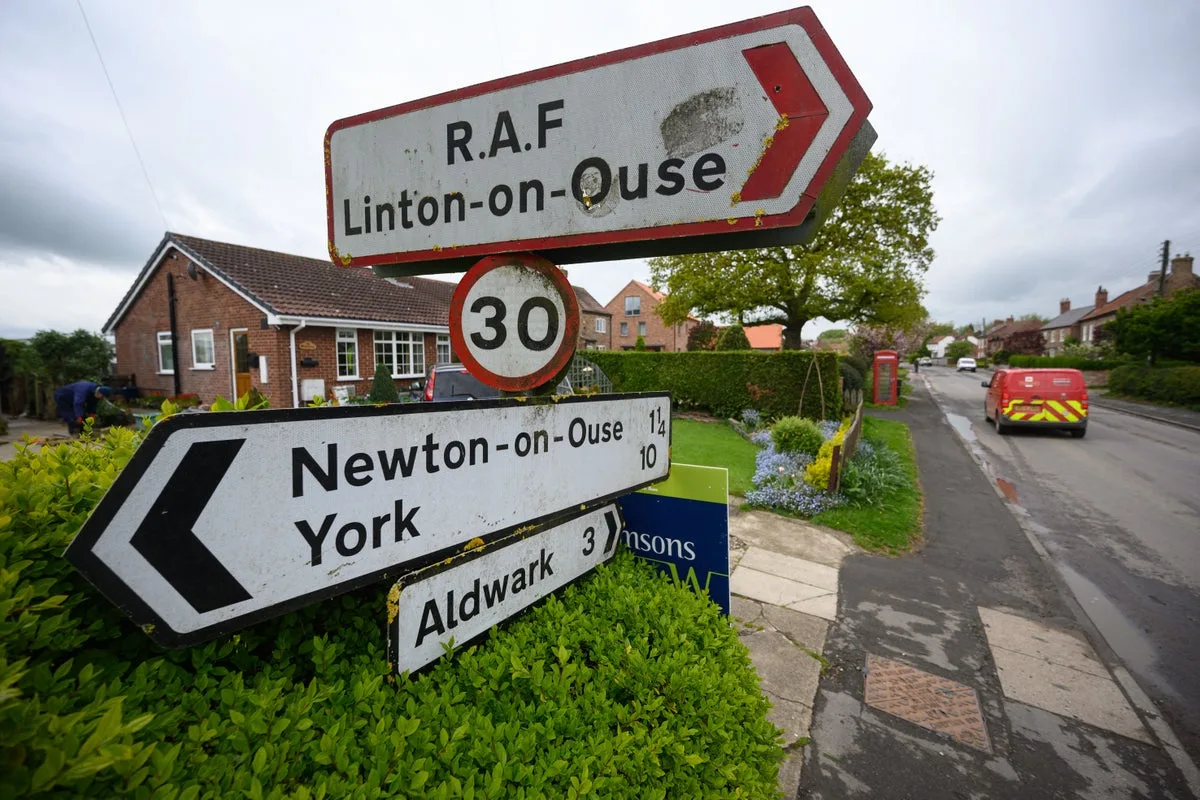
The Home Office has identified three former Ministry of Defence sites to house around 3,750 asylum seekers, as part of its ongoing policy to end the use of hotels for asylum accommodation. The sites earmarked are MoD Bicester, MoD Barnham, and MoD Linton-on-Ouse. Officials have begun discussions but have not yet secured planning permission, with the plans likely to face local opposition.
Conservative MP for West Suffolk, Nick Timothy, has already voiced opposition to the use of RAF Barnham near Thetford, warning it “would affect safety, services and cohesion”. The previous Conservative government attempted to use RAF Linton-on-Ouse in North Yorkshire for asylum accommodation in 2022, but the Ministry of Defence later abandoned the plan.
The Home Office already uses the former RAF base Wethersfield in Braintree, Essex, to house migrants, and plans to expand bed spaces there from 800 to over 1,200. Minister Alex Norris defended the move to larger sites, arguing they help “reduce those pull factors” for migrants. However, refugee charities have condemned the decision, with the Refugee Council’s Imran Hussain saying ministers are “repeating policies that failed in the recent past”.
Kamena Dorling of the Helen Bamber Foundation described the sites as “extremely isolated, resemble prisons with barbed wire and surveillance and lack privacy”, warning they can cause “devastating consequences for mental and physical health”. Charlotte Khan of Care4Calais added that such camps are “harmful to refugees’ health and wellbeing” and “re-traumatising” for survivors of torture and modern slavery.
Meanwhile, the Home Office has closed 20 more hotels, including The Bell hotel in Epping, Essex, which was targeted by anti-migrant protesters. The closure of hotels reduces the number of asylum seekers in such accommodation to around 21,000. Minister Norris stated: “We promised to close every asylum hotel and hand them back to communities, and that is exactly what we are doing.” The Home Office has spent approximately £7.5 million on the Crowborough site in East Sussex, which currently houses around 500 asylum seekers.