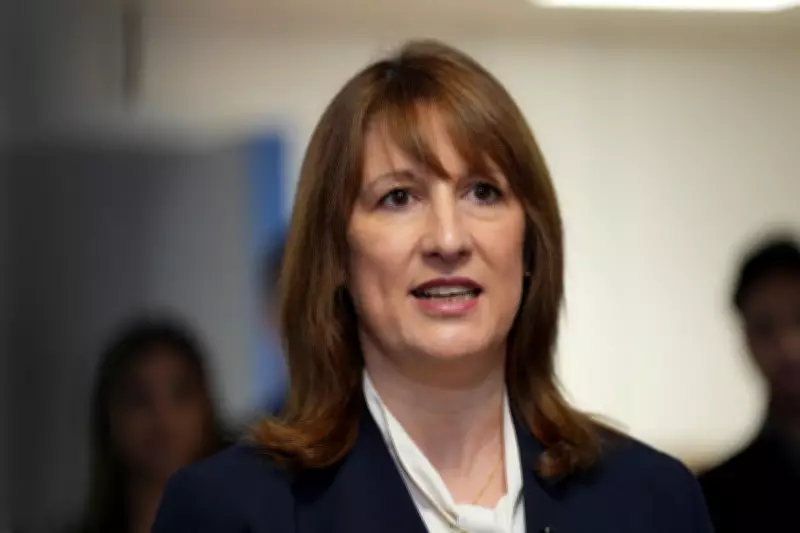
The Institute for Fiscal Studies (IFS), a leading economic think tank, has issued a stark warning that Labour's stringent immigration policies could compel Chancellor Rachel Reeves to implement tax increases or slash public expenditure. This caution comes as net migration figures plummet, threatening to undermine economic growth and reduce vital tax revenues.
Economic Impact of Falling Migration
In a detailed analysis, the IFS highlighted that a sharper-than-anticipated decline in net migration poses significant risks to the UK's fiscal stability. The think tank emphasised that if migration continues to fall or stabilises at levels substantially below official forecasts, it would likely "materially hit growth and overall tax revenues." This scenario could trigger another challenging Autumn Budget later this year, forcing the Chancellor to make difficult decisions to balance the books.
Tax Receipts Under Pressure
The IFS pointed out that new immigrants are disproportionately more likely to be of working age, contributing to the economy through employment and tax payments while making minimal use of public services like healthcare and benefits in their initial years. The steep drop in migration, driven by reduced numbers of people coming for work or study, means less money flowing into the Treasury's coffers.

Recent data reveals a dramatic shift: net migration peaked at around 900,000 in 2023 but has since fallen by two-thirds, with provisional figures for 2025 showing only 204,000 arrivals—well below the Office for Budget Responsibility's (OBR) forecast of 290,000. The OBR had projected a decline to 260,000 by 2026-2027, but current trends suggest a more severe downturn.
Chancellor's Fiscal Challenges
Rachel Reeves has already implemented significant tax rises, including a £40 billion hike in her 2024 Budget and an additional £26 billion in last year's Autumn Budget, aimed at bolstering public services and stimulating economic growth. However, the IFS warns that the migration-driven shortfall in tax receipts could jeopardise her ability to meet self-imposed fiscal rules, which prohibit borrowing for day-to-day spending and require debt to fall as a percentage of GDP by 2029-2030.
Nick Ridpath, a research economist at the IFS and co-author of the analysis, noted, "The OBR will likely wait for more data before updating its medium-term outlook, but if recent trends do continue, the chancellor's fiscal rules could come back into focus by the Autumn Budget." The IFS has previously urged Reeves to scrap these rules to avoid "dysfunctional" policymaking amid economic uncertainty.
Political Context and Future Implications
The warning arrives just days before Reeves' spring statement to Parliament, where she will outline the state of the UK economy and its impact on government spending. The IFS suggests this statement should "largely be seen as setting the scene" for the upcoming Budget, with updated forecasts likely to highlight looming risks, including the migration-related tax shortfall.
Successive governments, including Labour, have intensified crackdowns on migration since figures neared a million in 2023. While these efforts have successfully reduced numbers, the economic consequences are now coming to the fore, raising questions about the sustainability of current policies without compromising fiscal stability.
The Treasury has not yet commented on the IFS report, but the analysis underscores the delicate balance between immigration control and economic health, with potential tax rises or spending cuts on the horizon if migration trends persist.