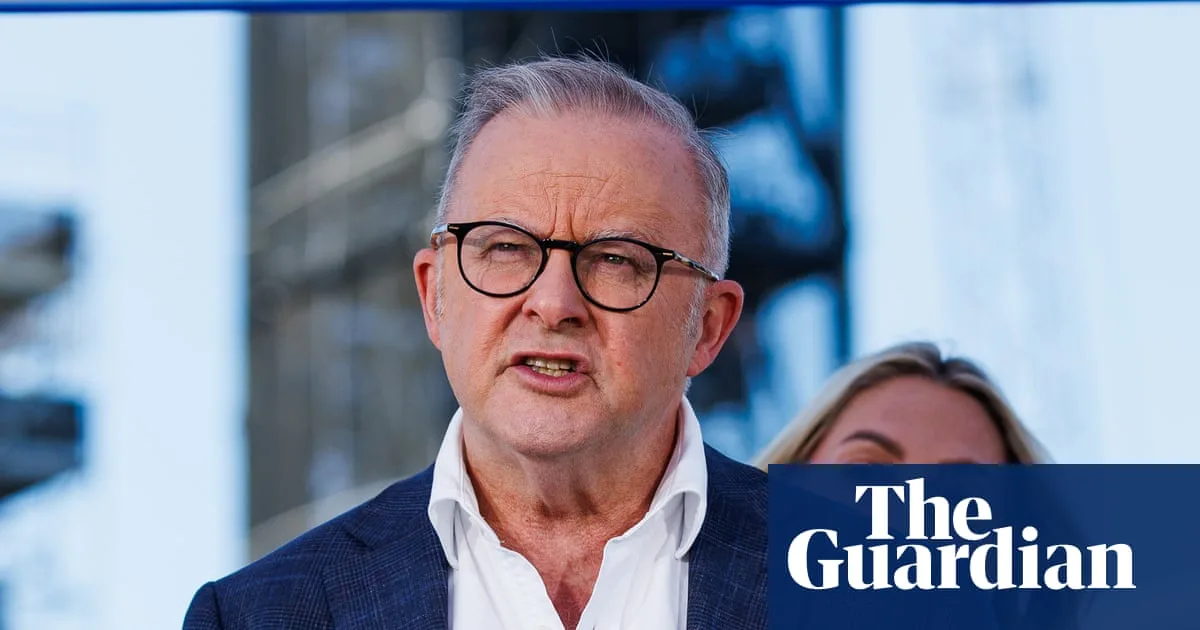
Prime Minister Anthony Albanese has urged that Lebanon be included in the Middle East ceasefire, as Israel escalates its bombing campaign on Beirut and southern Lebanon. Speaking in Brisbane, Albanese described the pause in hostilities between the US and Iran as a 'fragile peace' but stressed that the ceasefire must apply to Lebanon as well.
Australia has led a joint statement with Brazil, Colombia, Indonesia, Jordan, Sierra Leone, and the UK expressing deep concern over the worsening humanitarian situation and displacement crisis in Lebanon. The statement condemned attacks on UN peacekeepers and called for the protection of humanitarian personnel, insisting that international humanitarian law must be upheld by all parties.
Overnight, Israel conducted its largest attack on Lebanon since the war with Hezbollah began, killing at least 254 people and wounding 837. This prompted Iranian officials to warn that Tehran could withdraw from the ceasefire agreed with the US this week. Israel's Prime Minister's office stated that the two-week ceasefire deal does not include Lebanon, a position echoed by US President Donald Trump, who called Lebanon 'a separate skirmish'.
Albanese announced that Australia's deployment of a Wedgetail surveillance aircraft and up to 85 ADF personnel would be extended beyond its initial four-week mission. The aircraft, deployed in a defensive capacity to assist the UAE, feeds information to the Combined Air Operations Centre in Qatar, accessible by the US. The Prime Minister did not confirm whether Australia would send similar assistance to Lebanon.
Foreign Affairs Minister Penny Wong reiterated Australia's call for the ceasefire to apply to Lebanon, warning that continued fighting there risks the entire regional ceasefire. She noted that the G7 and other countries have joined Australia's position. Israel's Ambassador to Australia, Hillel Newman, defended Israel's right to self-defence against Hezbollah attacks, insisting that Lebanon is not part of the ceasefire agreement.