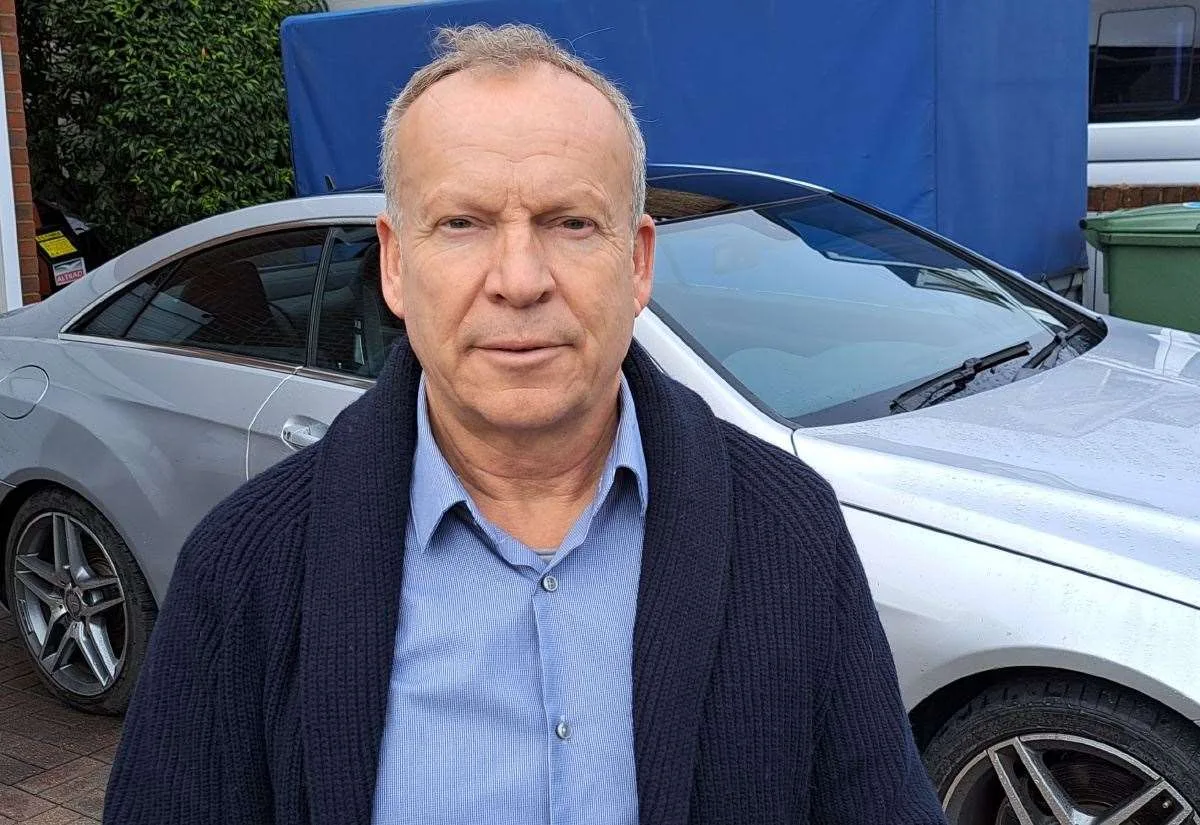
Kent Driver Pays Off Black Oil Scammers After Engine Sabotage Attempt
Kent Driver Pays Off Black Oil Scammers in Car Sale Scam

Kent Driver Forced to Pay £200 to Black Oil Scammers After Engine Sabotage

A driver from Folkestone, Kent, has issued an urgent warning to motorists selling vehicles online after falling victim to a sophisticated "black oil" scam. Jay Cross, 64, recounted how conmen posing as buyers sabotaged his Mercedes by pouring used engine oil into the water reservoir, causing smoke to billow out and falsely claiming the engine was ruined.

Distraction Tactics Lead to Costly Harassment

Mr Cross was contacted by two men who expressed interest in purchasing his 2014 Mercedes-Benz E-Class Coupe Sport, valued at £12,000. During their visit on Tuesday, January 13, between approximately 5pm and 6:30pm, the scammers employed distraction techniques. One man asked to see inside the boot, while the other quietly opened the bonnet and poured black oil into the cooling system, spraying it across the engine bay.

When the car was started, smoke emerged, leading the pair to insist the engine had blown and would cost £10,000 to replace. They argued the vehicle was now worthless and pressured Mr Cross to let them tow it away for free. Despite his suspicions and request for an AA inspection, the men refused to leave, harassing him for over 90 minutes until he felt compelled to hand over £200 cash to make them depart.

Mechanic Confirms Car in Good Condition

The following day, a technician inspected the silver Mercedes, which had only 38,000 miles and a recent clean service record, and confirmed there was nothing wrong with the engine. However, the spilled oil caused significant damage to Mr Cross's driveway, with builders estimating repair costs at £4,500. Similar incidents have been reported across the country, including in Gloucestershire last September, indicating this scam is becoming increasingly common.

Expert Advice to Avoid Vehicle Sale Frauds

An AA spokesperson emphasised the importance of vigilance when selling cars privately. Recommendations include selling through trusted buyers, having a friend or relative present during transactions, and demonstrating that oil and coolant levels are fine at the start of viewings. Additionally, sellers should only allow test drives with proof of insurance, accompany buyers during drives, and record contact details and registration numbers of anyone inspecting the vehicle.

Mr Cross urged others to be cautious, stating: "There is an overriding duty to warn and safeguard others who may be fooled into believing these very persuasive scammers. Anyone trying to sell a car online needs to look out for these criminals." Authorities advise reporting any suspicion of foul play to the police immediately to help combat this deceptive practice.