
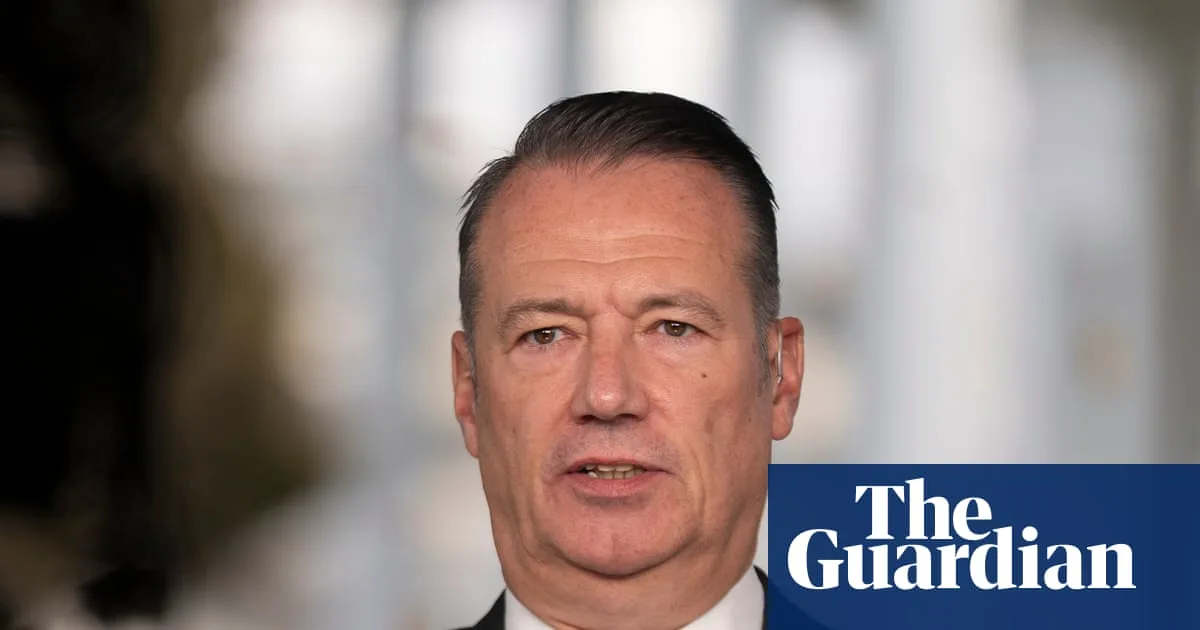
Minnesota's top federal judge has summoned the acting head of Immigration and Customs Enforcement (ICE) to appear in court on Friday, warning he may be held in contempt for allegedly defying judicial orders. Chief US District Judge Patrick Schiltz issued a three-page order on Monday, declaring that 'the court’s patience is at an end'.
The order follows weeks of legal challenges during the so-called 'Operation Metro Surge', a large-scale immigration enforcement campaign in Minneapolis-St Paul. Judges have consistently ruled in favour of immigrants claiming unlawful arrest or detention, but the Trump administration has been accused of deliberately delaying or ignoring those rulings.
Judge Schiltz, a George W Bush appointee, cited the case of a man he ordered released on 15 January who remained in custody as of Monday night. He said the government's non-compliance had caused 'significant hardship' to immigrants, many of whom had lived and worked legally in the US for years. Detained individuals were being sent to Texas instead of remaining in Minnesota, or were released far from home without means to return.
Other Minnesota federal judges have voiced similar concerns. US District Judge Michael Davis accused the administration of attempting to 'defy court orders' and 'deny noncitizens their due process rights'. Several judges are now considering broader legal challenges that could restrict federal immigration enforcement in Minnesota or halt Operation Metro Surge entirely. Another judge is weighing whether the deployment of 3,000 immigration agents constitutes an unconstitutional occupation, a case that has gained momentum after the fatal shooting of Alex Pretti by federal officers last week.
Judge Schiltz also clashed with the administration last week over a request to arrest former CNN anchor Don Lemon and others linked to an anti-ICE protest. After he declined to overturn a magistrate’s denial of arrest warrants, the Justice Department appealed to the Eighth Circuit, which rejected the request. Schiltz then wrote letters criticising the department's approach and highlighting a flood of what he termed 'illegal' detention cases overwhelming Minnesota courts.




