A federal judge in the United States has issued a significant ruling, blocking the planned termination of a humanitarian programme that protects hundreds of South Sudanese nationals from deportation.
Court Grants Emergency Relief
On Tuesday, US District Judge Angel Kelley in Boston granted an emergency request to prevent the Temporary Protected Status (TPS) for South Sudanese migrants from expiring. The order came after a lawsuit was filed by four migrants from South Sudan and the non-profit organisation African Communities Together. Judge Kelley, who was appointed by President Joe Biden, intervened just before the protections were set to lapse after 5 January.
The legal challenge argued that the decision by the US Department of Homeland Security (DHS) to end the status was unlawful. It contended that forcing beneficiaries back would expose them to the severe humanitarian crises still gripping South Sudan. The DHS, under Secretary Kristi Noem, had published a notice on 5 November terminating the designation, claiming the country's conditions had improved.
Background of Conflict and Protection
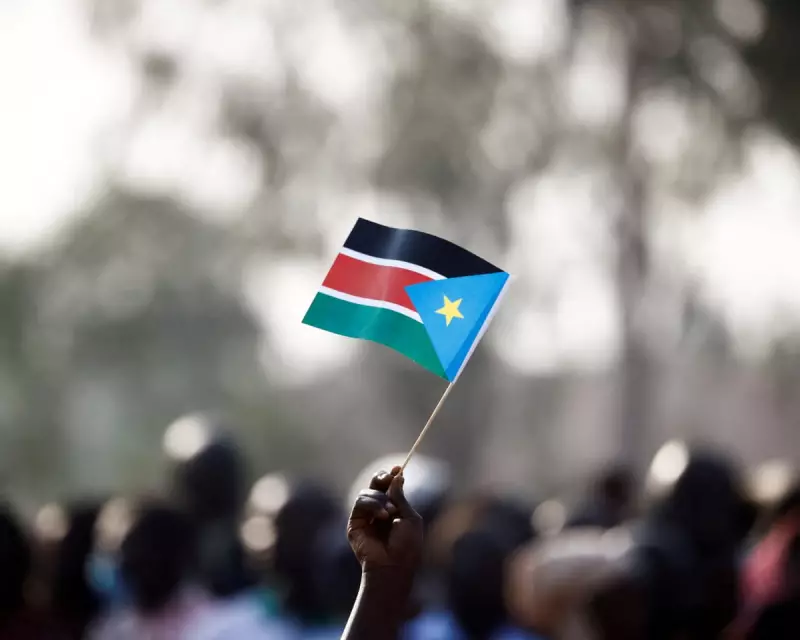
The United States first designated South Sudan for TPS in 2011, the year it gained independence from Sudan. The programme offers work authorization and protection from deportation to nationals of countries devastated by armed conflict, natural disasters, or other extraordinary circumstances.
South Sudan has been ravaged by violence for years. A five-year civil war that ended in 2018 killed an estimated 400,000 people, and conflict persists in many regions. The US State Department currently advises against all travel to the country. According to the lawsuit, approximately 232 South Sudanese nationals are current TPS beneficiaries in the US, with a further 73 applications pending.
Broader Policy and Legal Challenges
The Trump administration's move to end TPS for South Sudan is part of a wider pattern. The DHS has also sought to terminate similar protections for nationals from countries including Syria, Venezuela, Haiti, Cuba, and Nicaragua, triggering multiple court battles.
In a statement before the ruling, a DHS spokesperson defended the decision, citing "renewed peace" and "improved diplomatic relations" in South Sudan. However, the lawsuit alleges the agency's action violated the TPS statute, ignored ongoing dire conditions, and was motivated by racial discrimination against non-white migrants, in violation of the Fifth Amendment of the US Constitution.
This ruling represents a critical temporary victory for the affected migrants and advocacy groups, ensuring they will not be imminently returned to a nation still facing profound instability and danger.