Jam Master Jay Murder Suspect Poised to Plead Guilty in Landmark Development
In a significant turn of events, one of the three men charged in connection with the murder of Run-DMC's Jam Master Jay is reportedly preparing to change his plea to guilty. This development, emerging 23 years after the iconic DJ's death, would represent the first formal admission in court by anyone involved in the case.
Details of the Potential Plea Agreement
Court records indicate that Jay Bryant, who pleaded not guilty following his 2023 indictment, is now negotiating a plea agreement with federal prosecutors. Recent correspondence between Bryant's legal team and prosecutors confirms these discussions, though the specific charges or conduct to which Bryant might admit remain undisclosed. No date has been set for the plea change, and prosecutors have declined to comment publicly on the matter.
The 2002 Shooting That Shook the Music World
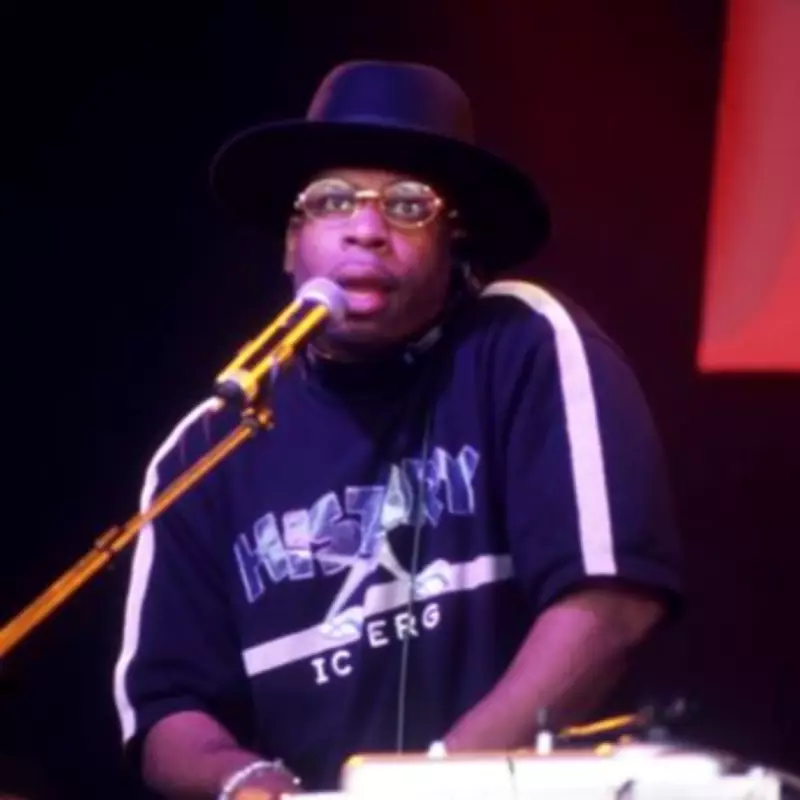
Jam Master Jay, born Jason William Mizell, was fatally shot on October 30, 2002, at approximately 7:30 PM in his recording studio located on Merrick Boulevard in Jamaica, Queens, New York. As the DJ for Run-DMC, Mizell played a pivotal role in popularizing hip-hop during the 1980s, with the group's hits including It's Tricky and their collaboration with Aerosmith on Walk This Way.

Complexities in the Investigation and Previous Convictions
The case has been marked by numerous twists. Co-defendants Karl Jordan Jr. and Ronald Washington were initially convicted by a jury, though Jordan's conviction was later overturned by a judge for unrelated reasons. Prosecutors have long maintained that Jordan and Washington, both close associates of Mizell, targeted the DJ over a failed drug deal. Witnesses testified that Jordan fired the fatal shot while Washington blocked the studio door during the incident.
Bryant's Role and the DNA Evidence
Bryant's indictment came nearly three years after the others, following the discovery of his DNA on a hat found at the crime scene. Prosecutors allege that Bryant entered the studio building and opened a back fire door to facilitate Washington and Jordan's ambush. However, Bryant's connection to Mizell appears minimal; testimony suggests he knew someone in common with the other defendants but may never have met the rap star personally.
Contradictory accounts have further complicated the narrative. Bryant's uncle claimed his nephew confessed to shooting Mizell after the artist reached for a gun, though no other witnesses placed Bryant at the scene. Prosecutors have disputed this version, suggesting instead that Bryant's DNA transferred to the hat via contact, which was then carried into the studio by Jordan or Washington.
Legal Implications and Current Status
If Bryant proceeds with the guilty plea, it could introduce both closure and new complexities to the long-standing case. Notably, the absence of Washington's and Jordan's DNA on the hat has raised questions, with Jordan's lawyer arguing that Bryant's charges cast reasonable doubt on the initial convictions.
Bryant, now 52, was already incarcerated on federal drug and gun charges when indicted for Mizell's murder. He has since pleaded guilty in the separate drug and firearm case and awaits sentencing. The potential plea change in the murder case remains reversible, as defendants can alter their plea even during court proceedings.