Immigration and Customs Enforcement (ICE) officers operating in Minnesota under the Trump administration's crackdown have received explicit instructions to steer clear of protestors and focus exclusively on detaining migrants with criminal backgrounds, according to a recent report.
Shift in Enforcement Strategy
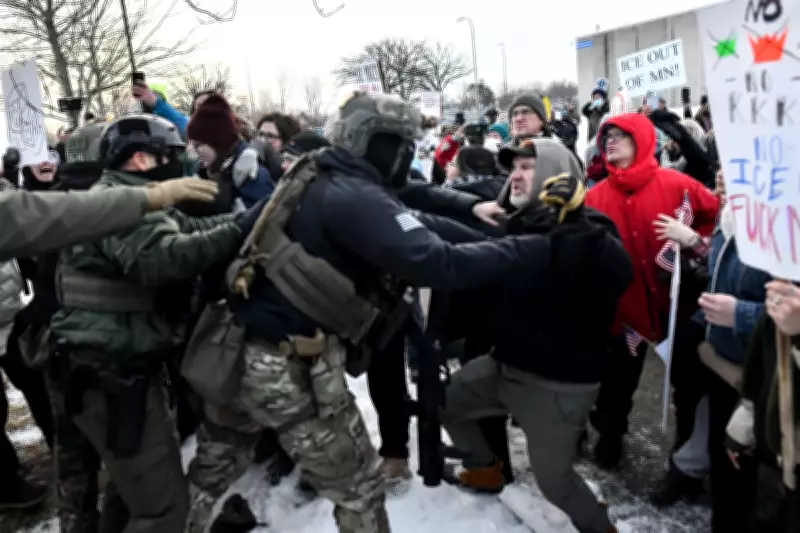
The new guidance, detailed in an email obtained by Reuters, represents a significant departure from the turbulent scenes witnessed over the past year, where clashes between ICE agents and demonstrators frequently erupted in urban areas. This directive aims to recalibrate the agency's approach amid heightened tensions.
Targeted Arrests Emphasised
A senior ICE official outlined the revised strategy, stating, "We are moving to targeted enforcement of aliens with a criminal history." The guidance clarifies that this includes individuals with arrests, not merely convictions, and mandates that all targets must have a criminal nexus. Officers are authorised to conduct license plate checks to identify potential subjects, making arrests if the vehicle's registered owner is an immigrant with a criminal record.
Avoiding Confrontation with Protestors
In a bid to de-escalate situations, the email explicitly orders officers not to communicate or engage with agitators. "DO NOT COMMUNICATE OR ENGAGE WITH AGITATORS," it reads. "It serves no purpose other than inflaming the situation. No one is going to convince the other. The only communication should be the officers issuing commands." This marks a clear shift from previous operations under Border Patrol commander-at-large Gregory Bovino, which often saw chaotic confrontations.
Context of Policy Changes
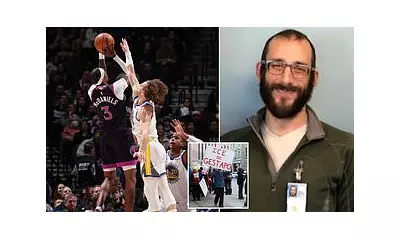
The guidance emerges against a backdrop of evolving immigration policies. Under former President Joe Biden, ICE was directed to prioritise serious criminals, a policy later rescinded by President Donald Trump to allow broader arrests. However, recent events have prompted a reassessment. The deaths of two American citizens, Renee Good and Alex Pretti, during clashes in Minneapolis have intensified scrutiny. Pretti, a 37-year-old ICU nurse, was shot by Border Patrol agents, with initial claims of him being armed widely disputed by footage and public opinion.
Political Repercussions and Adjustments
The fallout from these incidents has spurred administrative changes. A Republican lawmaker noted that President Trump recognised the negative optics, stating, "He saw it wasn't playing well. The visuals were not playing well. He understands TV... He saw it for himself." Consequently, Trump reassigned Bovino to California and deployed border czar Tom Homan to Minnesota. At a press conference, Homan acknowledged room for improvement in ground operations but reaffirmed commitment to the president's mission, saying, "No agency is perfect," but adding, "We are not surrendering the president's mission."
Ongoing Debates and Data Discrepancies
While the Trump administration asserts it targets "the worst of the worst," ICE data from January reveals that nearly 43 percent of detainees had no criminal convictions or charges, highlighting discrepancies in enforcement practices. A White House official cautioned that the new guidance is not yet final, noting, "There are ongoing conversations on how to most effectively conduct operations in Minnesota. No guidance should be considered final until it is officially issued."
This revised approach underscores the complex balancing act between aggressive immigration enforcement and managing public perception, as ICE navigates its role in Minnesota's charged political landscape.