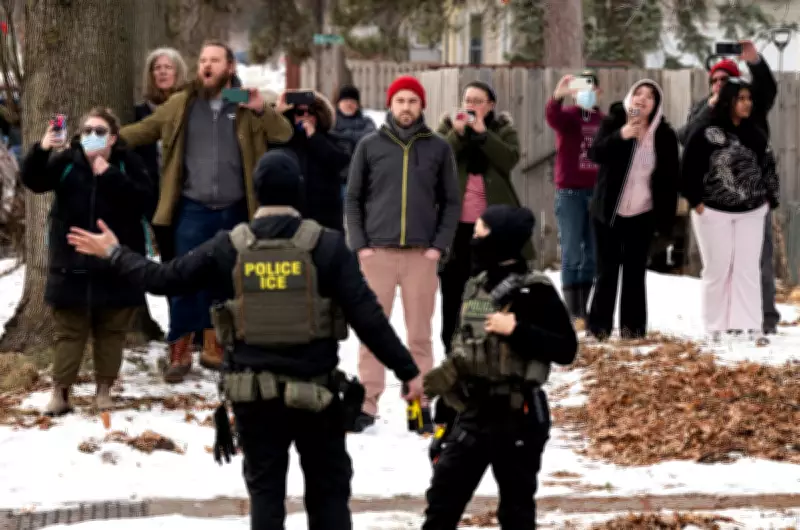
ICE Intensifies Immigration Enforcement in Minnesota Suburbs
Immigration and Customs Enforcement (ICE) has significantly escalated its operations across various suburban communities in Minnesota, marking a notable increase in enforcement activities. This crackdown, which began earlier this week, has resulted in multiple arrests and has sparked widespread concern among local residents and advocacy groups.
Targeted Operations and Community Impact
The enforcement actions have been concentrated in several key suburban areas, including Bloomington, Eden Prairie, and Maple Grove. According to official reports, ICE agents have been conducting targeted raids and checkpoints, focusing on individuals with prior immigration violations or outstanding deportation orders. These operations have led to the detention of numerous individuals, with many families now facing separation and uncertainty.
Local community organizations have reported a surge in distress calls from residents fearful of potential raids. Advocates argue that these actions are creating a climate of fear and distrust, particularly in neighborhoods with significant immigrant populations. Schools and workplaces have also been affected, with reports of decreased attendance and productivity as people avoid public spaces.

Official Statements and Legal Challenges
ICE officials have defended the crackdown, stating that it is part of a broader strategy to enforce immigration laws and enhance public safety. A spokesperson emphasized that the operations are focused on individuals who pose a threat or have violated immigration regulations. However, critics contend that the tactics are overly aggressive and may lead to racial profiling.
Legal challenges are already emerging, with civil rights groups filing lawsuits alleging violations of due process and constitutional rights. These groups are calling for greater transparency and accountability in ICE's operations, urging for a more humane approach to immigration enforcement.
Broader Implications and Future Outlook
The intensified enforcement in Minnesota's suburbs reflects a larger national trend of increased immigration scrutiny under current federal policies. This has implications for local economies, social cohesion, and political dynamics in the region. As the situation develops, community leaders are organizing support networks and legal aid services to assist those impacted.
Looking ahead, the crackdown is expected to continue, with ICE planning further operations in the coming months. This ongoing activity underscores the complex and often contentious nature of immigration enforcement in the United States, highlighting the need for balanced policies that consider both security and humanitarian concerns.