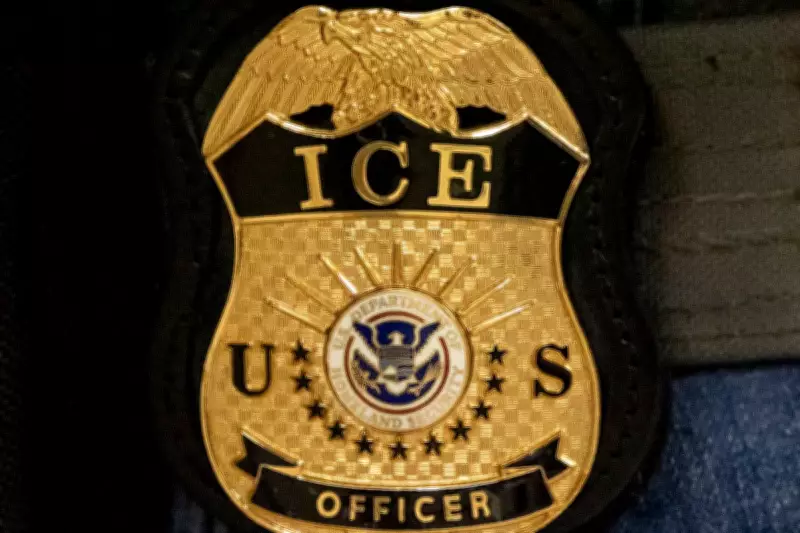
Colorado Immigration Officer Charged with Assault Following Protest Incident
A Colorado district attorney has formally charged an immigration officer with third-degree assault and criminal mischief following an investigation into his conduct during a protest outside a U.S. Immigration and Customs Enforcement facility in Durango. The charges stem from an October demonstration where protester Franci Stagi alleged the officer, identified as Nicholas Rice, placed her in a chokehold and threw her down an embankment.
Video Evidence and Allegations of Excessive Force
Multiple bystander videos from the incident show a masked agent grabbing and pulling Stagi across the street during a protest against the detention of three Colombian asylum-seekers. Stagi, a retired hypnotherapist whose legal name is Anne Francesca Stagi, stated she was filming the officer outside the ICE facility when he struck her hand, causing her to lose her cellphone. She then reached for his shoulder to gain his attention, after which she claims he applied a chokehold and threw her down an embankment next to the street.
Stagi reported ongoing pain in her arm during everyday activities, such as putting on a jacket, following the altercation. However, court documents alleging Rice committed third-degree assault by causing bodily injury do not describe how she was injured or mention a chokehold specifically. The criminal mischief charge relates to the alleged damage to Stagi's cellphone.

Investigations and Legal Protections for Federal Officers
The Colorado Bureau of Investigations launched an inquiry into the officer's actions at the request of Durango Police Department Chief Brice Current, who raised concerns about potential state law violations. This request is considered unusual, if not unprecedented. U.S. Customs and Border Protection, which initiated its own investigation, acknowledged a request for comment but did not immediately respond to questions about the charges. Court documents did not list an attorney representing Rice.
Federal law enforcement officers possess broad legal protections when acting in their official duties, and the Justice Department has recently taken a firm stance against state efforts to arrest or prosecute federal agents. Late last year, U.S. Deputy Attorney General Todd Blanche stated that arrests of federal officers performing their duties would be "illegal and futile," citing the Constitution's Supremacy Clause and federal law. Legal experts note these protections are significant but not absolute, and the Supremacy Clause does not provide blanket immunity.
Context of Chokehold Bans and Police Reform
Chokeholds have been a focal point of public discourse and legislative action regarding unreasonable use of force since Eric Garner's death in New York in 2014 after a white police officer placed him in a chokehold. Garner's dying words, "I can't breathe," became a rallying cry for the Black Lives Matter movement. Following George Floyd's death in Minneapolis in 2020, after a white police officer pressed his knee to his neck, many states, including Colorado, moved to prohibit or severely limit chokeholds and neck restraints.
Within a month of Floyd's death, Colorado lawmakers approved a ban on chokeholds as part of broader police reform legislation, overriding more limited restrictions enacted four years earlier. A federal reform package that would have banned chokeholds nationwide passed the U.S. House in 2021 but failed to reach then-President Joe Biden's desk, named in honor of Floyd.
Protester's Reaction and Broader Implications
Stagi expressed disappointment that Rice was charged with less serious crimes, as third-degree assault is a misdemeanor carrying a maximum sentence of just under a year in jail. Nevertheless, she hopes the prosecution sends a message that immigration officers cannot tackle people indiscriminately or use excessive force. "It did open my eyes to how quickly I can be under someone else's control, and it's frightening," Stagi said.

The incident highlights ongoing tensions between federal immigration enforcement and state laws, particularly in Colorado, a state popular for outdoor recreation and home to the college town of Durango. As debates over police conduct and reform continue, this case underscores the complex legal landscape surrounding the use of force by federal agents in protest scenarios.