Psychological Torture and Environmental Crisis at ICE's Texas Desert Detention Camp
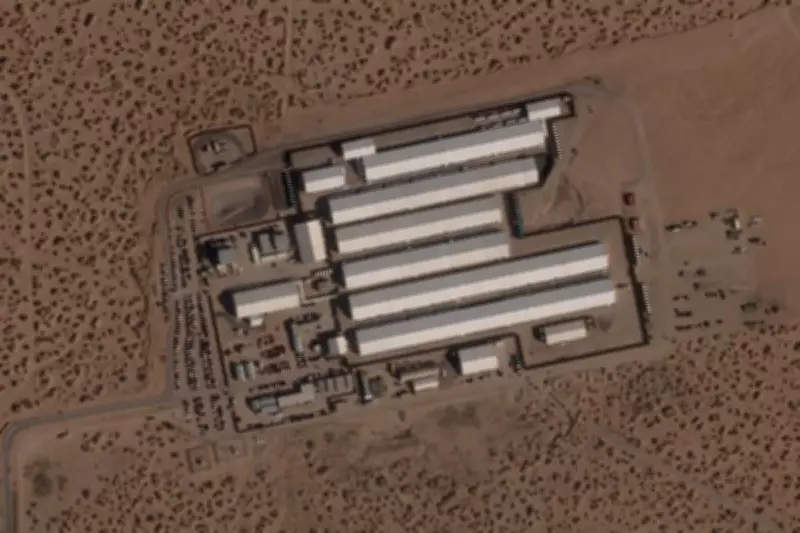
Detainees at Camp East Montana, a sprawling tent facility on the Fort Bliss army base in El Paso, Texas, have described their experiences as psychological torture, citing harsh conditions, abuse, and severe health risks. The camp, which holds the largest number of immigration-related detainees in the US with a capacity of 5,000 and an average daily population of 2,505, has become a focal point for human rights and environmental concerns since its establishment nine months ago.
D, a young Venezuelan man who was held at the camp last fall, recounted pervasive dust that covered blankets and clogged airways, constant air conditioning that kept temperatures near-freezing, and leaking tarps that left mattresses wet. He reported widespread coughing and breathing difficulties among detainees, with many falling ill due to the unsanitary environment.
Health and Human Rights Violations
Reports from detainees and advocates highlight systemic issues at Camp East Montana. D lost 25 pounds during his detention and suffered a persistent cough for weeks after release. He witnessed others being denied medical care, including a diabetic man who went without insulin for a week. Charlotte Weiss, a staff attorney at the Texas Civil Rights Project, described the conditions as psychological torture, with detainees confined indoors for weeks without sunlight, leading some to seek deportation despite pending asylum claims.

The Department of Homeland Security (DHS) has denied these allegations, stating that detainees receive three nutritious meals daily, specialized diets, medical treatment, and opportunities to communicate with family and lawyers. However, inspections by ICE's office of professional responsibility identified 22 deficiencies related to use of force and restraints, among 49 total violations covering medical care and facility security.
Environmental and Climate Impacts
Camp East Montana's reliance on generators for power has raised significant environmental concerns. The generators produce noise, particulate matter, and emissions that contribute to the climate crisis, while poorly insulated tents require excessive energy for heating and cooling. Holly Samuelson, an associate professor at MIT, noted that such tents use far more energy than traditional buildings, exacerbating greenhouse gas emissions.
Additionally, the camp is located near areas of Fort Bliss with documented soil contamination, including arsenic levels nearly 19 times the safe limit set by the Environmental Protection Agency. Earthjustice has warned of potential exposure to toxic substances like petroleum components and asbestos, with little remediation reported since 2019.
Expansion and Human Cost
Under the second Trump administration, ICE has expanded detention efforts, with flights to Camp East Montana increasing by 156% year-over-year to 1,630 in February 2026. These flights contribute to carbon emissions, while detainees like Francisco Gaspar Cristóbal Andrés, who died in custody, and his wife Lucía Pedro Juan, deported without seeing him, highlight the human toll. The camp's conditions have been linked to three deaths among detainees this fiscal year, part of a broader trend of 46 deaths since Trump's return to office.
Advocates like Imelda Maynard of Estrella del Paso describe the situation as a powder keg, with overworked staff and distressed detainees creating a volatile environment. As ICE plans more tent facilities and mega-detention centers, experts warn of continued environmental and human rights abuses, with Wyatt Sassman of the University of Denver noting a demoralizing trajectory toward known negative impacts.