In a move that has left federal prosecutors stunned and frustrated, US Immigration and Customs Enforcement (ICE) permitted a suspect in a monumental $100 million jewelry robbery to voluntarily depart the United States for South America in late December. This unexpected development has effectively halted criminal proceedings against Jeson Nelon Presilla Flores, who was facing serious charges related to what is believed to be the largest jewelry theft in American history.
Details of the High-Value Heist and Charges
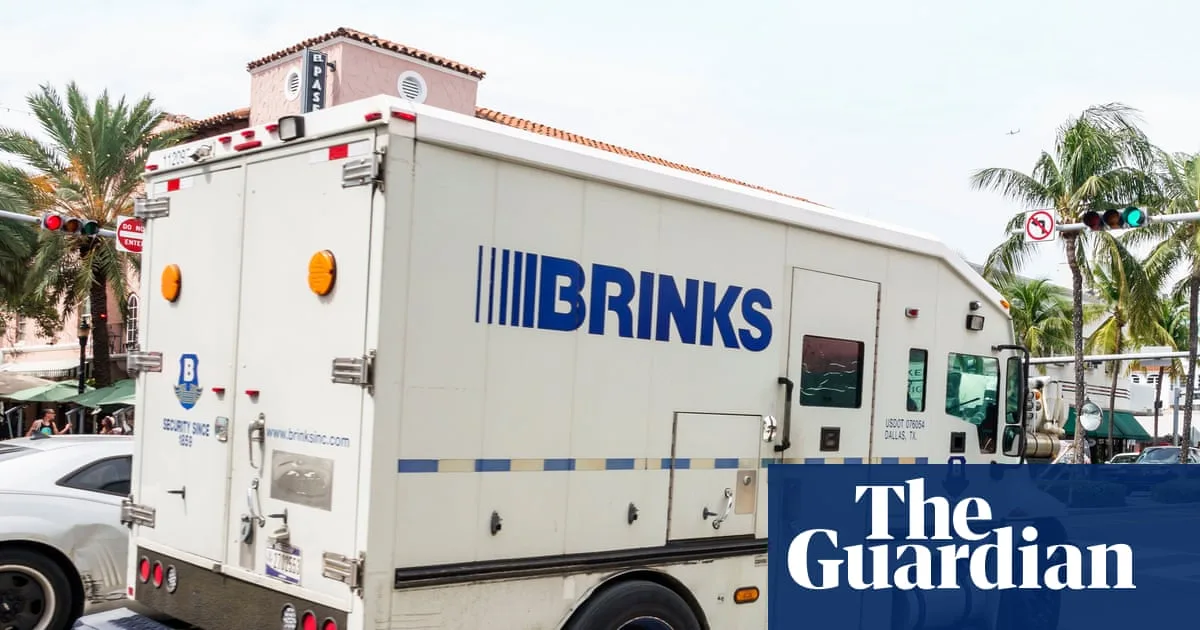
Jeson Nelon Presilla Flores was among seven individuals charged in connection with a meticulously planned heist that occurred in July 2022. According to court documents, the group allegedly stalked a Brink's armored truck transporting valuables from an international jewelry show near San Francisco. The theft took place at a rural freeway rest stop north of Los Angeles, where millions of dollars worth of diamonds, emeralds, gold, rubies, and luxury designer watches were stolen.
Flores faced federal charges of conspiracy to commit theft from interstate and foreign shipment, as well as the substantive theft itself. If convicted, he could have been sentenced to up to 15 years in federal prison. Throughout the legal process, Flores maintained his innocence, pleading not guilty to all allegations.
Unexpected Deportation and Prosecutorial Shock
Prosecutors revealed in court filings that ICE deported Flores in late December after he requested voluntary departure. This action occurred despite Flores being a lawful permanent resident who had been released on bail. According to defense attorneys, he was taken into ICE custody in September, a move that federal prosecutors claim they were unaware of due to an immigration detainer.
The situation has created significant controversy within legal circles. Former federal prosecutor Laurie Levenson described the circumstances as "extremely unusual," particularly given the case's significance. "It's just beyond me how they would deport him without the prosecutors ... being in on the conversation," Levenson commented, suggesting a breakdown in communication between immigration and criminal justice authorities.
Legal Maneuvering and Ongoing Disputes
Flores's attorney, John D. Robertson, has filed a motion to dismiss the indictment against his client, arguing that the deportation violated his prosecution rights and warrants permanent dismissal of charges. Robertson contends that the case should be closed entirely.
Federal prosecutors strongly oppose this motion, requesting instead that charges be dropped "without prejudice" to preserve the possibility of future prosecution should Flores return to the United States. In their filings, prosecutors stated: "Prosecutors are supposed to allow the civil immigration process to play out independently while criminal charges are pending. That is exactly what they did in this case – unwittingly to defendant’s benefit in that he will now avoid trial, and any potential conviction and sentence."
Victim Impact and Industry Reaction
The jewelers affected by the theft have expressed profound disappointment and are demanding answers regarding the unexpected turn of events. Jerry Kroll, an attorney representing several of the jewelry companies, told the Los Angeles Times: "When a defendant in a major federal theft case leaves the country before trial, victims are left without answers, without a verdict, and without closure."
Interestingly, there remains disagreement about the exact value of the stolen items. While victims reported losses exceeding $100 million, Brink's security company has stated the stolen merchandise was worth less than $10 million. A lawsuit filed by Brink's revealed additional details about the heist, noting that one driver was asleep inside the vehicle while another was purchasing food inside the rest stop when the thieves broke in.
Deportation Proceedings and Destination
Court documents indicate that Flores opted for deportation to Chile during an immigration hearing on 16 December. Although the judge denied his voluntary departure application, a final order of removal was issued, resulting in his deportation to Ecuador. This sequence of events has raised questions about coordination between immigration enforcement and criminal justice agencies, with legal experts noting that such scenarios are typically managed with greater inter-agency communication.
The case continues to highlight tensions between immigration procedures and criminal prosecutions, particularly when defendants face serious felony charges. As the legal dispute over dismissing the indictment continues, prosecutors maintain hope that Flores might eventually face trial if he returns to American jurisdiction, while victims and their representatives await resolution in a case that has taken an unexpected international turn.