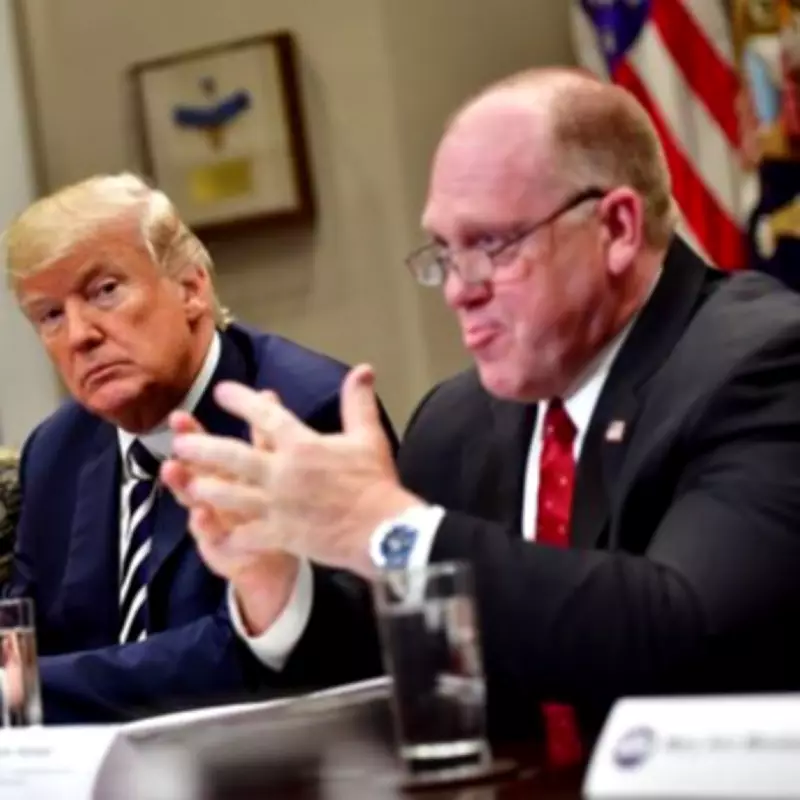
Donald Trump's border czar, Tom Homan, has been dispatched to Minnesota in an effort to manage the escalating public outrage over Immigration and Customs Enforcement (ICE) operations within the state. However, his primary objective appears to be focused on improving media perception rather than implementing substantive changes to ICE's controversial strategies.
Homan's Press Conference in Minneapolis
During his first press conference since being assigned to Minnesota, Tom Homan offered little in the way of policy adjustments or apologies for recent incidents. He acknowledged that the execution of ICE's activities in the state had not been flawless, but stopped short of addressing specific grievances such as the shootings of peaceful protesters or the aggressive detention of bystanders.
Military Terminology and Blame-Shifting
Homan's language raised eyebrows as he repeatedly employed military terms like "deployed" and "in theatre" to describe ICE agents' actions, a choice that seems at odds with the official stance that these are routine law enforcement operations. He placed blame for the unrest on what he termed "inflammatory rhetoric" and "agitators," warning that continued criticism could lead to bloodshed.
While he asserted that peaceful protesters would not be targeted, his definition of peaceful protest remains vague. Actions such as obstructing ICE agents—which has included filming or blowing whistles—were cited as grounds for physical intervention. The distinction between peaceful protesters and so-called agitators was not clearly defined, leaving room for interpretation that could further escalate tensions.
Conditions for De-escalation
The key condition for reducing the surge of ICE agents in Minnesota, according to Homan, is full cooperation from local officials, including Governor Tim Walz and Minneapolis Mayor Jacob Frey. This demand directly conflicts with the sanctuary city policies of Minneapolis and St. Paul, which limit local law enforcement's involvement in federal immigration matters to protect undocumented residents.
Other Developments in Trump's Administration
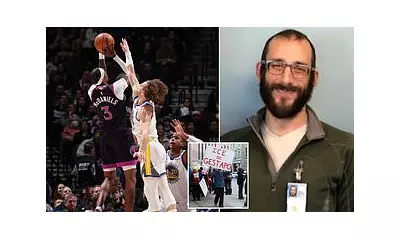
In related news, the two ICE agents involved in the shooting of Alex Pretti have been placed on administrative leave pending an investigation, a move that has been criticised for its timing nearly a week after the incident.
FBI Raid in Georgia
Trump's FBI conducted a raid on an election hub in Fulton County, Georgia, reigniting concerns over the President's persistent false claims about the 2020 election being stolen. This action has sparked fears of potential interference in upcoming midterm elections, as Trump continues to threaten legal action against those he accuses of election fraud.
International and Domestic Controversies
The US Embassy in Denmark faced backlash after removing 44 Danish flags placed to honour soldiers killed in Afghanistan, with officials citing an accidental cleanup. Domestically, Trump has hung a picture of himself with Vladimir Putin in the White House, a symbolic gesture that has drawn scrutiny.
Additionally, Treasury Secretary Scott Bessent advised against buying toys for children, suggesting donations to a "Trump Account" instead, a proposal met with scepticism over its financial assumptions. In media mishaps, Fox News host Laura Ingraham confused rappers Nicki Minaj and Cardi B on air, while Minaj publicly endorsed Trump, calling herself his "number one fan."
Political Landscape in Minnesota
Amidst these events, Senator Amy Klobuchar has announced her candidacy for Governor of Minnesota, following Tim Walz's decision not to seek re-election. Klobuchar, a four-term senator and former presidential candidate, is considered the frontrunner, given the state's Democratic leanings and the ongoing political fallout from ICE's presence.
In her statement, Klobuchar emphasised the challenges ahead, invoking Minnesota values of hard work and decency. Her entry into the race adds another layer to the complex political dynamics unfolding in the state as it grapples with federal immigration enforcement and its local implications.