Oregon Shop Owner's ICE Arrest Sparks Landmark Immigrants' Rights Victory
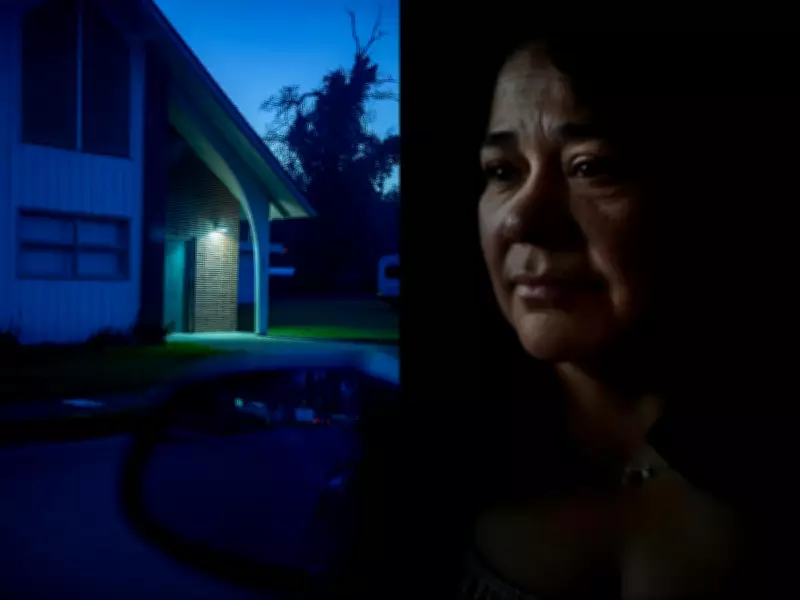
In November 2025, Juanita Avila, a 47-year-old legal permanent resident and shop owner in Cottage Grove, Oregon, was pulled over by Immigration and Customs Enforcement (ICE) agents. Despite having her green card in her pocket, she was violently tackled, handcuffed, and detained in an incident that later became central to a major lawsuit challenging ICE's tactics.
A Terrifying Morning in Cottage Grove
On the morning of 5 November, masked ICE officers dragged Avila from her van, pinning her facedown on the pavement as she cried out for her daughter, Emely Agustin. Emely, a 19-year-old US citizen, arrived to film the arrest, pleading with officers who shined a light in her face and threatened her with obstruction charges. The agents accused Avila of being "illegal" and only released her after 30 minutes when she produced her green card, with no charges filed.
Avila described the experience as feeling like a kidnapping, saying she couldn't breathe during a panic attack and feared for her autistic son. Emely recalled shaking uncontrollably and injuring her knee in the chaos, adding that the trauma led her to seek medication for depression and PTSD.

From Guatemalan Immigrant to Community Pillar
Born in Guatemala in 1978, Avila immigrated to Los Angeles at age 14, overcoming exploitation before moving to Cottage Grove in 2014 for its quiet rural life. She obtained her green card in 2017 and ran Juanita's Latina Store, a community hub offering Latin American goods and money transfer services. Known for helping with translations and assisting immigrants facing deportation, her activism drew ICE's attention during Donald Trump's administration.
Lawsuit Exposes ICE's 'Arrest First' Tactics
Avila's arrest was included in a class-action lawsuit filed by the Innovation Law Lab, alleging ICE systematically detained people without warrants or probable cause, fueling racial profiling. The suit revealed details of "Operation Black Rose," a DHS initiative in Portland that aimed for daily arrest quotas and used an app called "Elite" to target areas with immigrant populations.
Victor Cruz Gamez, another plaintiff, was mistakenly detained for three weeks despite having legal protections, highlighting the dragnet approach. Lawyers argued ICE's actions violated constitutional rights, with agents often justifying arrests by claiming targets "lie all the time."
Federal Judge Issues Groundbreaking Injunction
In February, US Judge Mustafa Kasubhai issued a preliminary injunction blocking ICE's warrantless arrests in Oregon, calling Avila's detention "without any justification" and condemning the agency's "brutal and violent" conduct. The ruling requires ICE to document probable cause before arrests, making Oregon only the third jurisdiction with such protections after Colorado and Washington DC.
The judge emphasized that no injury is more irreparable than illegal arrest, offering relief to immigrants who had gone into hiding. While DHS did not comment, the US attorney apologized to affected families, though concerns remain about compliance with the order.
Community Impact and Healing
The arrest sent shockwaves through Cottage Grove, with residents organizing vigils and patrols to support affected families. Abelio Carrillo Chales, a local organizer, noted that many were unaware of ICE's tactics until Avila's case, leading to widespread fear and economic hardship as people avoided work and school.
Avila, initially bedridden from trauma, returned to her store after community encouragement and continued aiding others, such as bringing food to a child whose father was detained. She joined the lawsuit despite fears, stating, "Our voices have to be heard."
Emely expressed cautious hope from the ruling but worries about enforcement, noting her mother remains reserved and fearful. Her younger brother, traumatized by the event, is now in therapy, underscoring the lasting psychological toll of ICE's actions.