
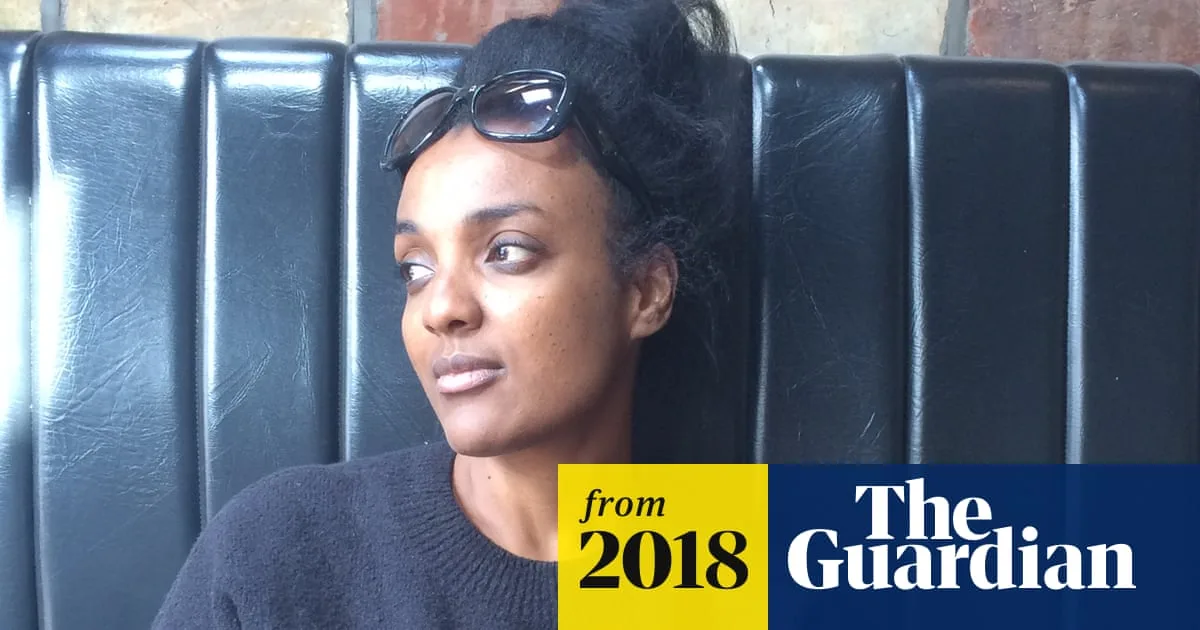
When Nesrine Malik was finally granted British citizenship, her relief was dulled by exhaustion after years of struggle against a Home Office bent on reducing immigration to the illusory ‘tens of thousands’. The Sudanese-born writer first arrived in England in September 2004 to study for a postgraduate degree at the University of London, and quickly discovered a country both “bewilderingly cool and enthusiastically welcoming”.
Malik’s early years in the UK were marked by financial hardship. She worked while studying, temping in offices across London, and later rented a room on a Bethnal Green council estate after securing a research assistant contract. By 2007, a combination of student visa extensions and a partner visa meant she was granted limited leave to remain, with permanent residency seemingly within reach after five years.
That expectation was shattered in 2012, when what should have been a routine application for permanent residency was turned down. The laws had changed, and her lawyer advised an immediate appeal. Malik described the shock of confronting the possibility of leaving a country where she had lived, worked and paid taxes for nine years: “It is almost as if the laws of nature change, like gravity disappears.”
The refusal came against a backdrop of hardening immigration policy. David Cameron’s 2010 “no ifs no buts” pledge to cut net migration to tens of thousands was followed by Theresa May’s tenure at the Home Office and the 2013 immigration bill, which declared a “hostile environment” for illegal immigrants. These measures dismantled the very routes Malik had relied upon to build her life in Britain.
Eventually granted citizenship, Malik said her relief was tinged with fury. “I felt a nausea of fury,” she wrote, reflecting on the cruel bureaucratic obstacles imposed by a system designed to make immigrants feel unwelcome. Her story, she said, became the central theme of her life in the UK: a confusing impenetrability accompanied by a yielding accommodation.




