
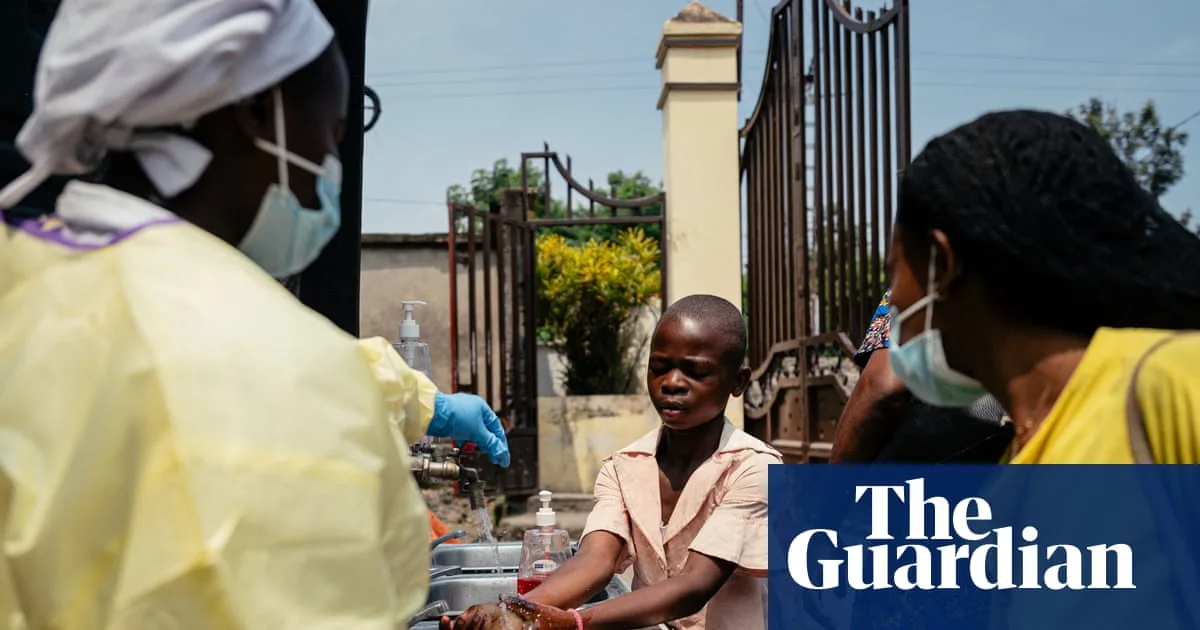
Infectious disease outbreaks are becoming more frequent and damaging, according to a new report from the Global Preparedness Monitoring Board (GPMB). The warning comes as health authorities in the Democratic Republic of the Congo and Uganda work to contain an Ebola outbreak that has caused at least 87 deaths, and as a hantavirus outbreak on a cruise ship draws global attention.
The GPMB, established by the World Bank and World Health Organization (WHO) in 2018, said in its report published Monday that pandemic risk is outpacing investments in preparedness. Factors such as the climate crisis, armed conflict, geopolitical fragmentation, and commercial self-interest are increasing the likelihood of outbreaks, while undermining collective action.
WHO chief Tedros Adhanom Ghebreyesus told the World Health Assembly in Geneva that the two outbreaks are "just the latest crises in our troubled world." The WHO has emptied its stocks of protective equipment in Kinshasa and is preparing a cargo plane to bring additional supplies from Kenya. Aid groups including the International Rescue Committee and Médecins Sans Frontières are also responding.
The GPMB report notes that new technologies, such as mRNA vaccine platforms, have advanced rapidly, and billions have been invested in pandemic preparedness. However, the world is "moving backwards" on equitable access to vaccines, tests, and treatments. During recent mpox outbreaks, vaccines took almost two years to reach affected African countries, slower than the 17 months for Covid-19 vaccines.
Outbreaks have damaged trust in government, civil liberties, and democratic norms, amplified by politicised responses and attacks on scientific institutions. The GPMB called on political leaders to establish a permanent, independent monitoring mechanism and to conclude the pandemic agreement to ensure equitable access to vaccines.




