Tourists heading to the popular Irish city of Galway may soon face a €1 (87p) daily levy as local authorities seek to manage the impact of growing tourism. Galway City Council is proposing a tourist tax that could generate more than €2 million (£1.7m) annually, according to The Connacht Tribune.
Proposal Details
On 13 April, City Hall officials met with elected members to present a detailed business case for implementing a tourist tax. The case argues that tourists, as well as local communities, should contribute to the socioeconomic development of the city. If approved, an accommodation charge of €1 may be applied to overnight visitors in hotels or short-term lodging.
Following similar initiatives in other cities, officials based their calculations on the number of tourists entering the city in 2024, combined with a recorded 77% occupancy rate for accommodations. Galway is currently one of Ireland's top five most visited destinations, drawing around 2.4 million international and domestic tourists in 2024.

Galway's Appeal
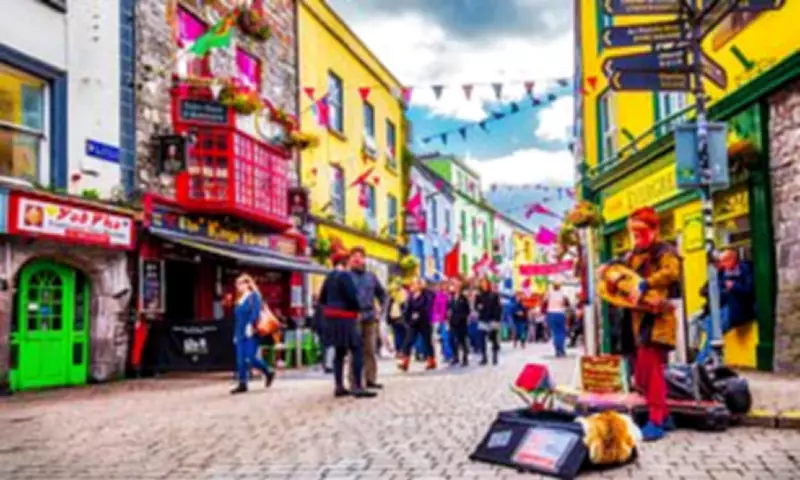
Known as Ireland's 'Cultural Heart', the seaside city is famed for its colourful, cobbled streets, cosy pubs, and traditional music scene. Its charming, scenic landscape has made it a premier filming spot for blockbuster films like Marley & Me. While smaller than Dublin, Galway is one of the most populous cities in the west of Ireland, with a growing number of visitors entering the city each day.
Official Perspectives
Helen Kilroy, Head of Finance at Galway City Council, said the proposed levy would not be introduced solely to control visitor numbers; the revenue raised would also go toward improving tourism offerings across the city. The council's newly-appointed tourism officer, Sally-Ann O'Brien, firmly believes the city should impose the levy, noting that Ireland is one of six EU states that has not implemented some form of bed tax. Around 47% of international visitors hail from Europe, 27% from the US, and 18% from the UK, many of whom, O'Brien said, are used to paying such a tax.
Challenges and Opposition
The proposed tax faces significant hurdles before implementation, requiring approval from the Irish government at a national level and from local leaders. Prominent figures have openly criticised the plan. Councillor Alan Curran noted that inconsistent visitor numbers could severely impact the ability to budget effectively, adding: 'We need to protect ourselves from those economic shocks.'
Former Mayor of Galway, Eddie Hoare, voiced opposition, warning the tax could send out the wrong message to potential visitors. Pat McDonagh, founder of popular Irish fast-food chain Supermacs, blasted the idea as 'ridiculous' during a 2024 appearance on Newstalk Breakfast, stating: 'We would be the laughingstock of the country if we introduced a tourist tax.'
While Councillor Mike Crowe supported the concept, he voiced concerns about it being a 'new tax', warning that the negative reputation could outweigh its financial benefits. Councillor Eddie Hoare suggested rebranding the 'tourist tax' to terms like 'bed levy' or 'visitor levy' to appear more positive.
Broader Context
The business case set to be presented to the government insists the tax is critical for the West and Wild Atlantic Way. Galway joins many popular tourist destinations worldwide that have implemented daily levies for overnight visitors. Tourism taxes have been introduced in hotspots globally to manage high visitor numbers and generate extra revenue. The amount varies, from a few euros per night in Rome to a percentage of the room rate in Amsterdam. Closer to home, Manchester introduced a City Visitor Charge in 2023, and Edinburgh is set to bring something similar in from July. The UK government is now proposing to give city mayors and town officials across the country the authority to charge a small fee for overnight stays.