Fuel Theft Epidemic Hits UK as Middle East Conflict Sends Prices Soaring
Fuel thieves have targeted petrol stations across the UK, with staff facing violent threats from furious drivers as prices reach an 18-month high. The global spike in costs stems from Iran's retaliatory bombing in the Gulf following attacks by the US and Israel on February 28, which effectively shut down the Strait of Hormuz. This critical waterway handles 20% of global oil and gas exports, causing immediate market disruptions.
Price Surges and Criminal Activity
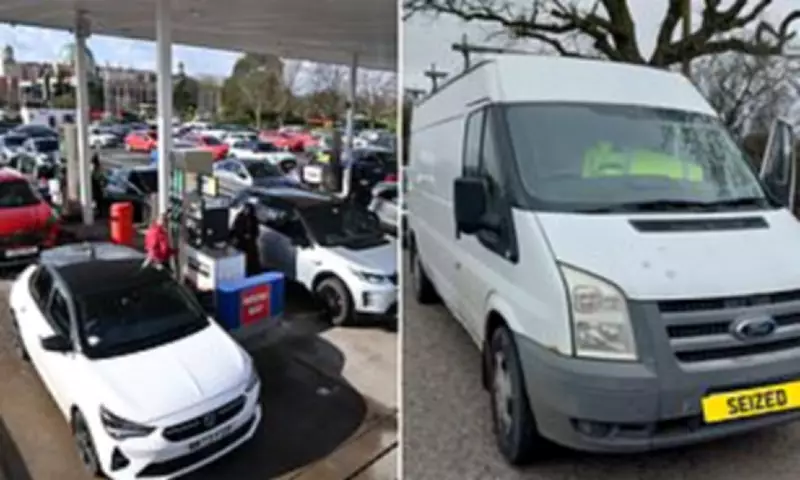
According to the RAC, diesel prices have risen by an average of 16p and petrol by 7p since the conflict began, marking the biggest increase in diesel costs in over two years. This escalation has triggered a wave of criminal activity, with police arresting two suspects in St Albans, Hertfordshire, on Thursday. The duo, driving a white Ford Transit van, were apprehended by the Bedfordshire, Cambridgeshire and Hertfordshire Road Policing Unit for alleged involvement in multiple fuel theft offences in the south-east.
Officers discovered a sophisticated fuel siphoning system and an Intermediate Bulk Container (IBC)—an industrial-grade 1,000-litre storage vessel—inside the vehicle. The suspects were arrested on suspicion of theft and going equipped to steal. This incident follows a separate string of fuel thefts reported earlier in the week in Hollesley, Suffolk, though police have not confirmed a link between the cases.
Petrol Station Staff Under Siege
Petrol station employees are overwhelmed by angry customers, facing a deluge of threats and intimidation as queues trail far back from pumps nationwide. Goran Raven, who runs a family-owned station in Romford, Essex, described this as one of the most challenging periods in his business's four-generation history. He told the BBC, "Our prices have just absolutely exploded. No one likes to put up their prices for the consumer. It's the worst thing you can do as a business."
Independent stations like Raven's are particularly vulnerable, as they pay daily spot prices—the live market rate—unlike larger firms that buy fuel in advance and benefit from bulk storage discounts. Raven's daily costs can fluctuate by up to £2,000, making it hard for small businesses to absorb overheads. Despite proactive efforts to inform customers through social media and direct communication, some remain "vile" to staff, though Raven acknowledges public frustration while condemning abuse of workers.
Industry and Government Responses
The Petrol Retailers Association (PRA) has criticised the government's "inflammatory language" on price gouging, warning it risks encouraging poor behaviour. Energy Secretary Ed Miliband stated officials are monitoring for retailers exploiting rising prices, but the PRA insists many are not profiteering and may even be making losses on diesel. The Competition and Markets Authority is closely watching prices, with findings expected in April, while a new fuel finder app aims to enhance market transparency by displaying prices at over 90% of stations.
Raven emphasised his profit margin is only 4%, hoping the Gulf situation stabilises so savings can be passed to customers. Meanwhile, heating oil costs have also surged, leading thieves to target domestic oil tanks. Police advise precautions such as:
- Hiding tank locations and using padlocks or lockable filler caps
- Securing tanks within cages and installing lockable gates
- Fitting electronic gauges with alarms for oil level drops
- Adding security lights and CCTV cameras near tanks
Hundreds of households struggle to obtain heating oil as distributors cancel orders, compounding the crisis. As conflict-driven price hikes continue, fuel theft and public unrest highlight the urgent need for resolution in the Middle East and supportive measures for UK consumers and businesses.