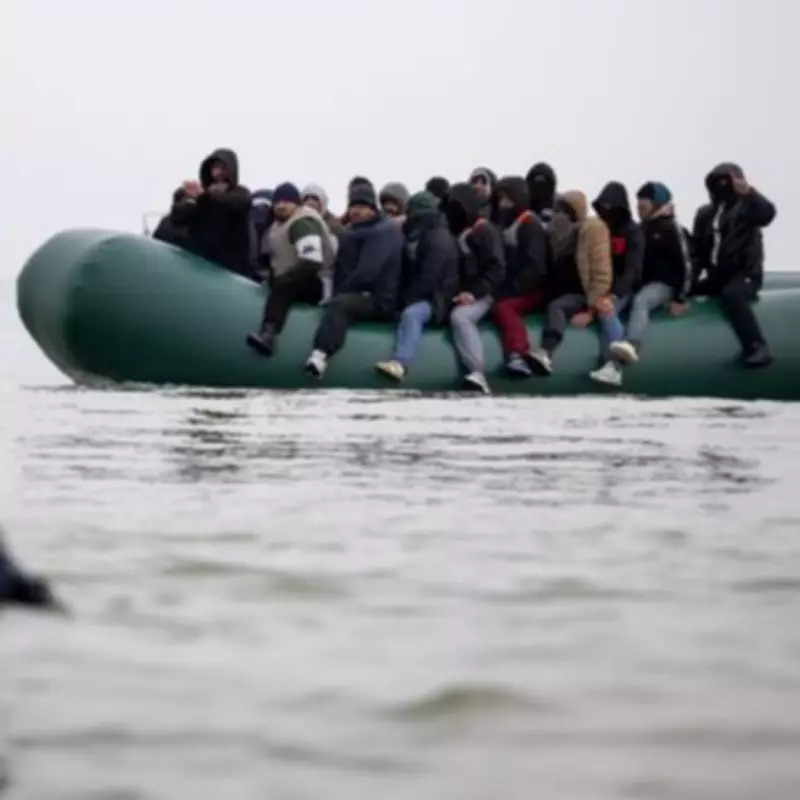
Two men and two women have tragically lost their lives after attempting to cross the English Channel in a small boat, according to an official statement from the prefect of Pas-de-Calais, Francois-Xavier Lauch. The incident underscores the persistent dangers faced by migrants seeking to reach the United Kingdom via this perilous maritime route.
Details of the Fatal Crossing
The fatal attempt occurred amidst ongoing efforts by individuals to navigate the treacherous waters of the English Channel, often using overcrowded and unseaworthy vessels. Authorities have not released the identities of the deceased, but the prefect confirmed the deaths, highlighting the grim reality of such journeys.
Context of Migrant Crossings
This event follows a pattern of similar incidents, with migrants frequently risking their lives in small boats to escape conflict, persecution, or economic hardship. The English Channel has become a focal point for these crossings, prompting increased surveillance and rescue operations by both French and British authorities.

In recent years, the number of attempts has fluctuated, but the inherent risks remain high due to factors such as:
- Unpredictable weather conditions, including strong currents and sudden storms.
- Overcrowding on vessels, which compromises stability and safety.
- Lack of proper navigation equipment, increasing the likelihood of accidents.
Official Response and Ongoing Efforts
French officials, including Prefect Lauch, have reiterated calls for enhanced measures to prevent such tragedies. This includes bolstering patrols along the coastline and collaborating with international partners to address the root causes of migration.
The incident serves as a somber reminder of the human cost associated with irregular migration routes. As authorities investigate the specifics of this case, advocacy groups continue to push for safer alternatives and humanitarian support for those in transit.
While this story is developing, it highlights the urgent need for comprehensive strategies to mitigate risks and protect vulnerable individuals attempting these dangerous crossings.