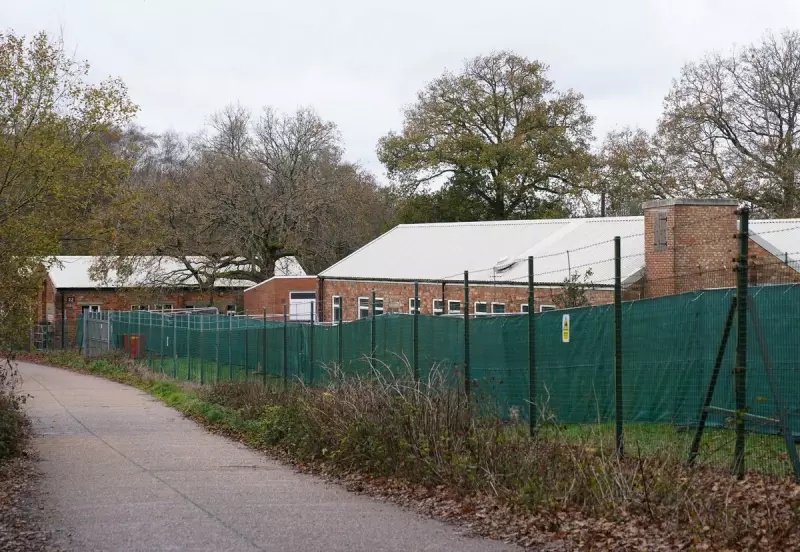
Twenty-seven asylum seekers have been moved into the Crowborough military barracks in East Sussex, marking the first arrivals at this site as part of a significant shift in government accommodation policy. The transfer occurred early on Thursday morning, signalling the initial phase of the Home Office's broader strategy to reduce reliance on expensive migrant hotels across the United Kingdom.
Strategic Move to Cut Hotel Costs
The Home Office has outlined plans to house more than 500 asylum seekers at the Crowborough Training Camp for a period of three months while their claims undergo processing. Officials have provided assurances to local councillors that the site will be utilised for a maximum of one year, aiming to balance temporary housing needs with community concerns.
Government Commitment to Border Control
Home Secretary Shabana Mahmood emphasised that this relocation represents 'just the start' of concerted efforts to shut down all asylum hotels and restore what she described as 'order and control' to the nation's borders. This statement underscores the Labour administration's commitment to overhauling the asylum accommodation system, which has faced criticism for high costs and logistical challenges.

Local Opposition and Legal Challenges
Wealden District Council has expressed strong opposition to the decision, with lead councillor James Partridge indicating that the authority is actively exploring potential legal challenges against the Home Office's move. The council's stance highlights ongoing tensions between central government policies and local governance, particularly regarding the placement of asylum seekers in community settings.
The use of former military facilities like Crowborough barracks reflects a pragmatic approach to addressing accommodation shortages, though it continues to spark debate about the suitability of such sites for housing vulnerable individuals. As the government presses forward with its hotel closure agenda, further developments are anticipated in the coming months across various regions.