A new wave of anti-migrant vigilante groups has emerged across Europe, with 'citizen patrols' and self-styled protective forces active in Iceland, Poland, the Netherlands, Northern Ireland, and Spain. Experts say these groups often exacerbate security concerns, sow fear, and fuel far-right extremism.
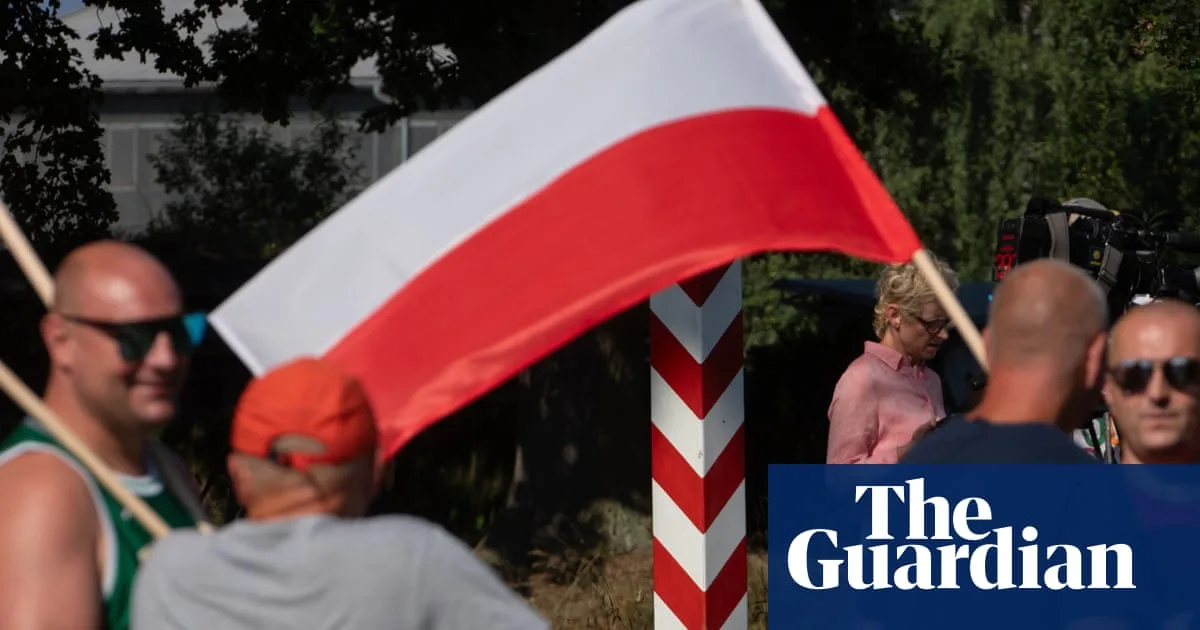
In Reykjavík, men wearing black shirts with iron crosses marched through the city centre. In Poland and the Netherlands, vigilantes gathered near the German border to turn back asylum seekers. In Belfast, they demanded identification from migrants and people of colour after dark. These groups present themselves as protective forces, but researchers warn their actions are largely symbolic and counterproductive.
Professor Tore Bjørgo of the University of Oslo stated, 'Most of this is symbolic. They don’t stop migration. They don’t create more safety in the streets. It’s a show for media and often for political purposes.' He noted that far-right organisations use such activities to gain publicity and recruit members.
Rights campaigners link the rise in vigilantism to misinformation and hardening migration discourse. In Spain, racist social media posts surged by 1,500% before unrest in Murcia. The Helsinki Foundation for Human Rights in Poland attributed the actions to 'a radicalising political narrative that portrays migration as a threat.'
Bjørgo added that vigilantes often provoke fear rather than safety, as many participants have criminal backgrounds. In Norway, a 2016 study found members had histories of domestic violence, drug dealing, and burglary. In Iceland, police reported threats from vigilantes against critics, including telling women they needed to be 'silenced for good.'
Despite small numbers, these groups have an outsized influence through social and traditional media, potentially reframing public perceptions of migration, according to sociologist Dr. Matthijs Gardenier.