ICE Deportation Tragedy: Costa Rican Man Dies After Being Returned in Vegetative State
Family Demands Answers After ICE Deportation Leads to Death

The family of a Costa Rican man are demanding answers from US authorities after he was deported in a vegetative state and died weeks later, raising serious questions about treatment within the American immigration detention system.

A Dream for a Better Life Ends in Tragedy

Randall Gamboa Esquivel, a 52-year-old from Pérez Zeledón, Costa Rica, was determined to build a better future. Despite warnings from relatives about a shifting political landscape in the United States, Gamboa was intent on seeking work in New Jersey. He aimed to save money to eventually return home and buy a house.

Having previously lived undocumented in the US from 2002 to 2013, Gamboa crossed the border in December 2024. His journey was swiftly halted, however, when he was detained by US immigration authorities for unlawful re-entry, considered a felony.

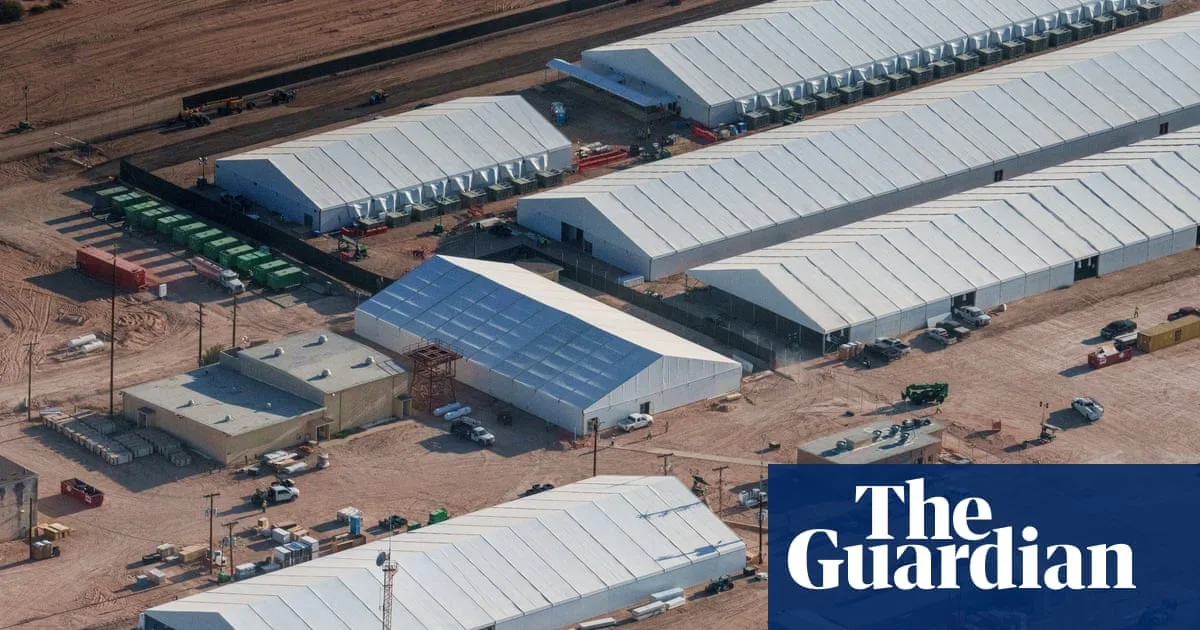
He was held in two detention facilities in south Texas. In a devastating turn of events, nearly ten months later in September 2025, the US government flew him back to Costa Rica via air ambulance. He was in a vegetative state and died several weeks later on 26 October, surrounded by his family in a Pérez Zeledón hospital.

A Family's Anguish and a Mysterious Decline

For Gamboa's sister, Greidy Mata Esquivel, the circumstances of her brother's final months remain shrouded in mystery. She last spoke to him on 12 June 2025, when he sent an optimistic video message to his family expressing love and faith that he would soon be released.

Communication then stopped abruptly. After growing worried, Mata contacted the Costa Rican consulate in Houston. She was reportedly told by a consulate staffer that ICE claimed Gamboa did not wish to speak with his family—an assertion she and others who knew him find impossible to believe.

Medical records show Gamboa's health deteriorated rapidly after his last call home. He was transferred from the Port Isabel detention centre to Valley Baptist Medical Center in Harlingen, Texas, on 23 June. By early July, he had been diagnosed with at least ten conditions, including sepsis, protein malnutrition, and toxic encephalopathy.

When Mata finally saw her brother upon his deportation, she was horrified. "Have you ever smelled a cadaver? That’s how my brother smelled when he was deported," she said, describing him as ill-nourished, with skin ulcers and dried blood on his body.

Detention Conditions Under Scrutiny

Gamboa's detention and deportation occurred during a period of aggressively expanded immigration enforcement under the second Trump administration. US Immigration and Customs Enforcement (ICE) was holding a record high of more than 68,000 detainees at the time, amid widespread complaints about detention conditions and a lack of oversight.

A fellow detainee, Omar Guevara, who shared time with Gamboa at the Webb County detention facility in Texas, recalled him speaking fondly of his family. Guevara, later deported to Nicaragua, expressed shock at the official claim that Gamboa refused to speak with relatives.

Tricia McLaughlin, assistant secretary at the Department of Homeland Security, stated that while in custody, Gamboa was diagnosed with unspecified psychosis and hospitalised to receive proper care. She did not, however, address questions about communication with his family or Costa Rican officials regarding his health.

The Costa Rican government's response has been limited. The Ministry of Foreign Affairs declined to discuss the case, and it remains unclear whether consular officers visited Gamboa during his hospitalisation.

Unanswered Questions and a Community in Mourning

The exact cause of Randall Gamboa's death is still under investigation. His Costa Rican death certificate lists no cause, and authorities have stated that forensic studies, including histological and neuropathological reviews, are ongoing.

In Pérez Zeledón, the community has been deeply affected. Donald Sanchez, a groundskeeper at the local cemetery where Gamboa is buried, noted that over a hundred people visited his grave on the Day of the Dead. Sanchez, who once dreamed of going to the US himself, said the tragedy has made him and others reconsider. "It’s like there’s hate toward immigrants in the US," he reflected.

For Greidy Mata, the pain is compounded by a lack of closure. "I am convinced that the precarious conditions under which my brother was detained worsened his health – and no one will change my mind about that," she said, standing by her brother's graveside. Her family's search for accountability and the truth behind his tragic decline continues.




