
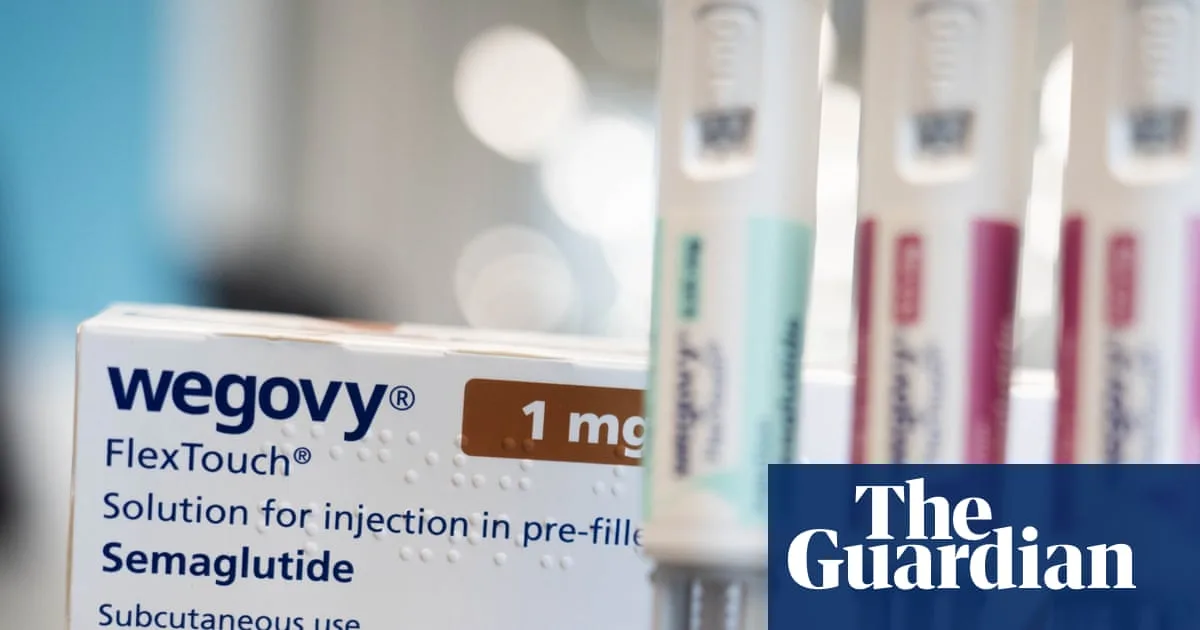
Patients taking the weight-loss drug Wegovy have nearly five times the risk of sudden sight loss compared to those on the diabetes medication Ozempic, according to a large-scale study published in the British Journal of Ophthalmology. The research examined reports of non-arteritic anterior ischemic optic neuropathy (Naion), a condition often referred to as an 'eye stroke', which causes sudden and usually permanent vision loss due to reduced blood flow to the optic nerve.
The study analysed side-effect reports submitted to the US Food and Drug Administration between December 2017 and December 2024. Canadian researchers compared Naion reports associated with Ozempic (up to 2mg weekly), Wegovy (up to 2.4mg weekly), Rybelsus tablets, and tirzepatide (Mounjaro). They found that Wegovy had the strongest association with sudden vision loss, while no increased risk was detected with Rybelsus or tirzepatide.
Dr Edward Margolin, from the University of Toronto and a co-author of the study, said Naion is likely a real side-effect of semaglutide, the active ingredient in Wegovy, Ozempic, and Rybelsus. He suggested that faster or more aggressive weight loss could increase the risk. The authors noted that the higher dose of Wegovy and its faster-acting injection may explain the stronger association, whereas the limited absorption of Rybelsus tablets likely accounts for the absence of a detectable link.
Although rare—affecting about one in 10,000 semaglutide users—the study raised a potential dose-dependent safety concern. The UK Medicines and Healthcare products Regulatory Agency issued a drug safety update in February warning about Naion risk, following similar alerts from the European medicines regulator. Dr Alison Cave, MHRA chief safety officer, emphasised that the risk is extremely low but urged awareness of symptoms to ensure prompt treatment.
Samantha Mann, a consultant ophthalmologist at the Royal College of Ophthalmologists, cautioned that the study relied on reported side-effects and cannot prove causation. She noted that an increase in Naion has not been widely observed in routine clinical practice at St Thomas' Hospital in London, calling for further studies. Novo Nordisk, the manufacturer, stated that patient safety is a top priority and that EU patient leaflets have been updated to include Naion, though the company believes the benefit-risk profile of semaglutide remains favourable.




