Home Office Clarifies Expired Passport Use for Dual Nationals Amid New Entry Rules
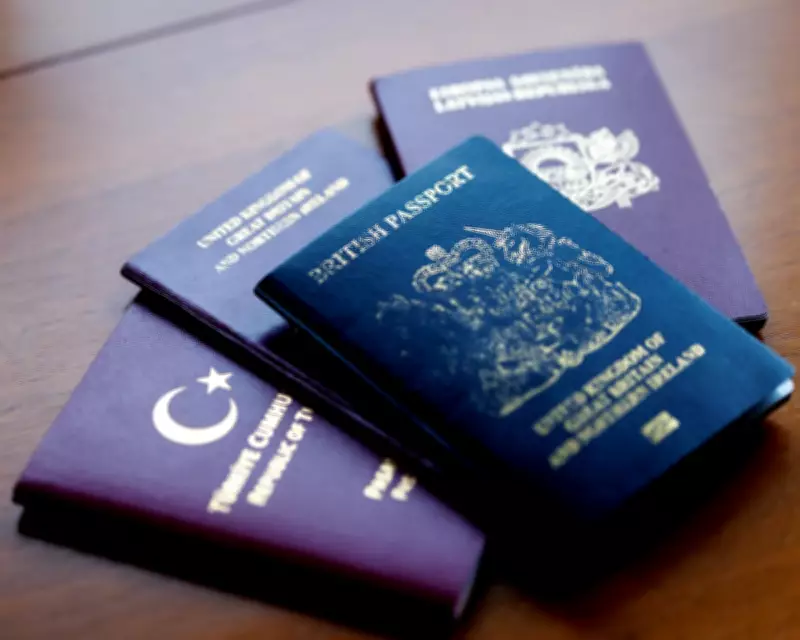
The Home Office has issued a statement clarifying that airline carriers may, at their own discretion, accept expired British passports as alternative documentation for dual nationals attempting to enter the United Kingdom. This announcement comes as new immigration rules are set to take effect, requiring British dual nationals to present a valid UK passport or a costly certificate of entitlement when boarding transport to the UK.
Significant Changes to Travel Documentation Requirements
Under the new regulations, which come into force this Wednesday, individuals with British dual nationality must present a valid British passport when boarding planes, ferries, or trains bound for the UK. Alternatively, they may purchase a "certificate of entitlement" costing £589 to attach to their foreign passport. Transport operators face substantial fines if they board passengers without proper documentation proving their right to enter the destination country.
The rules have created considerable stress and confusion among British citizens with imminent travel plans, particularly those whose passports have expired or who do not possess a British passport at all. This includes children born abroad who hold dual nationality. Many affected individuals report being caught completely by surprise by the rule changes, with some forced to cancel important family visits or memorial services.
Political Response and Calls for Grace Period
The Liberal Democrats have strongly criticized the implementation timeline, calling for an immediate grace period to allow affected Britons time to obtain new passports—a process that typically takes several weeks. Will Forster, the party's immigration and asylum spokesperson, emphasized the human impact of the changes, stating that many dual nationals find themselves "in heartbreaking circumstances, unable to visit ill family members or attend weddings and funerals."
Forster further urged the government to "provide a low-cost, affordable alternative to the current system" while addressing what he described as administrative chaos. The political pressure comes amid widespread reports of travel disruptions and personal hardships caused by the sudden rule implementation.
Legal and Practical Implications of Expired Passport Acceptance
Morgan Read, an immigration barrister at North Square chambers, noted that nothing in the Immigration Act 1971 specifically requires a valid UK passport to prove British citizenship. "It is well established that expired passports can be used to prove citizenship and identity—that's not their primary purpose, but they can be used for that," Read explained, referencing official government guidance on right-to-work checks that similarly permits expired passports for British or Irish citizens.
The Home Office statement acknowledges the "significant" nature of these changes while maintaining that border officials retain ultimate authority to assess an individual's suitability for entry. "We recognise that this is a significant change for carriers and travellers," the statement reads, "but we have been clear on requirements for dual British citizens to travel with a valid British passport or certificate of entitlement, in line with those for all British citizens."
Background and Implementation Timeline
These new requirements stem from a broader border control system designed to separate British nationals from foreign nationals at entry points. The Home Office points out that the system has been flagged on the gov.uk website since October 2024, when the government announced the introduction of Electronic Travel Authorisations (ETAs) for foreign nationals without residency rights.
In November, officials clarified that British dual nationals would not be eligible for ETAs on their foreign passports under the new framework. This has particularly affected British nationals living in the European Union who, after Brexit, were effectively encouraged to take dual nationality and had little reason to maintain current British passports while traveling within Europe using their EU documents.
Hundreds of British citizens living abroad have reported insufficient time to obtain new passports for planned travel in late February and March. The Home Office has suggested that individuals who previously held British passports may apply for emergency travel documents if they urgently need to enter the UK, though this provides little comfort to those facing immediate travel disruptions.
Notably, people with both British and Irish dual nationality remain exempt from these rule changes, creating further complexity in an already confusing implementation landscape.