
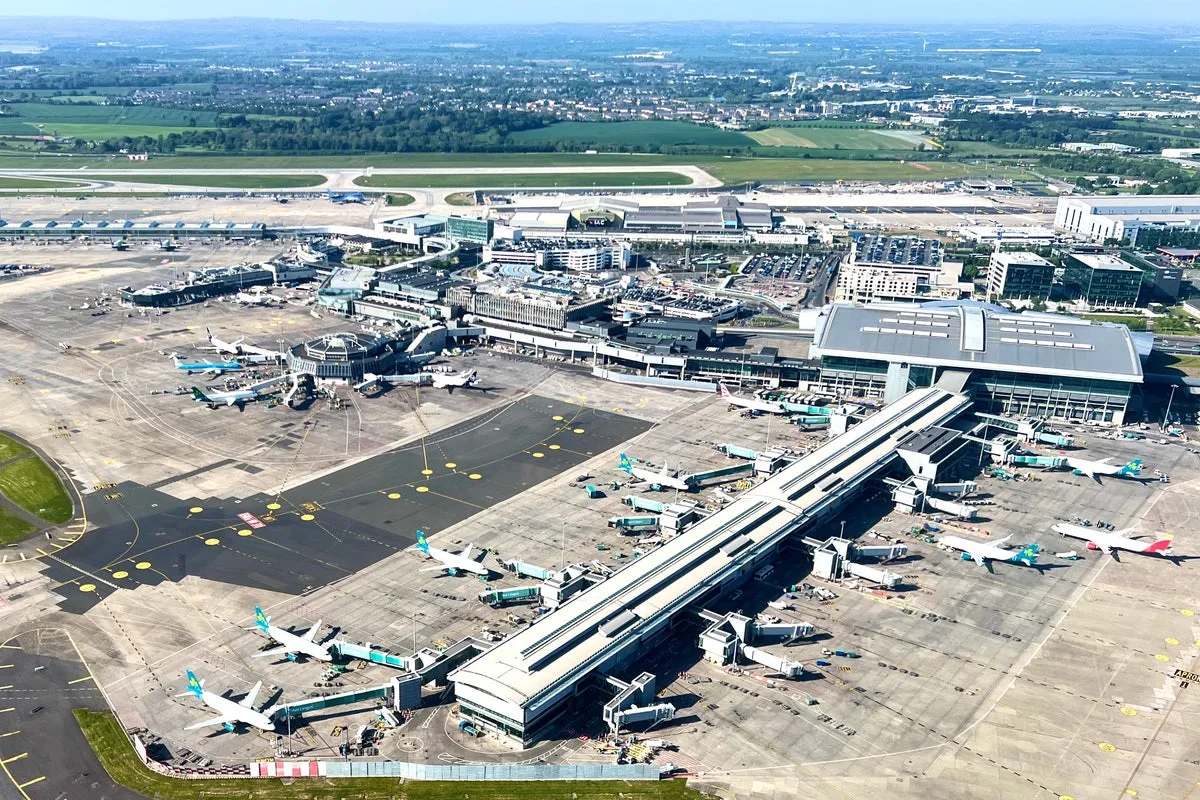
For the past month, tens of thousands of dual nationals holding UK and another citizenship have faced stress and expense trying to travel to Britain due to new electronic travel authorisation (ETA) rules. However, The Independent has revealed a risk-free route via Ireland—dubbed the 'Dublin Dodge'—that does not breach any regulations.
Since 25 February 2026, the ETA has been mandatory for all non-British and Irish visitors to the UK. Ministers warned UK dual nationals they could not use an ETA on their other passport, forcing many to seek proof of British citizenship. The 'dormant diaspora' includes children born to British parents without UK passports and older people who let their passports lapse. Previously, they could use their other nationality's passport, but now the government demands a UK passport or a £589 'certificate of entitlement'. Airlines and ferry firms enforce the policy, requiring all non-British and Irish passengers to have an ETA, while dual nationals cannot apply for the £16 permit.
A last-minute concession allows carriers to accept expired UK passports from 1989 or later at their discretion, but acceptance is uncertain. Cases of British teenagers stranded abroad have been widely reported. However, all stress can be avoided by flying to Dublin and using the Common Travel Area (CTA), which permits passport-free travel between Ireland and the UK for citizens of either country.
A dual national with an EU or Schengen area passport can travel freely to Ireland, then board a bus from Dublin airport to Belfast—running about three times an hour, taking two hours. Under the Good Friday Agreement, there are no frontier checks at the border. Once in Belfast, the traveller can continue to Great Britain by ferry or air without a passport. Airlines may ask for photographic ID, and Aer Lingus Regional accepts bus passes, work IDs, or student cards. Alternatively, travellers can take a ferry from Dublin port to Holyhead, with Irish Ferries allowing various photographic ID or a birth certificate for under-18s.
On the return journey, the passenger uses their foreign travel document as identification. For dual nationals with non-EU passports, the same applies if they have visa-free access to Ireland. The Home Office declined to comment on 'hypothetical routes', while Home Office minister Lord Hanson defended ETAs as part of modernising border security.




