Dog Owners Warned: Rat Urine in Ponds and Rivers Poses Serious Health Risk
Dog Owners Warned: Rat Urine in Ponds and Rivers Risk

As warmer weather and longer days provide greater opportunities for extended walks, dogs face an increased risk of drinking from contaminated water sources. From stagnant ponds to shared drinking bowls, everyday water sources can harbour bacteria, parasites and chemicals that could lead to serious illness.

Hidden Dangers in Natural Water Sources

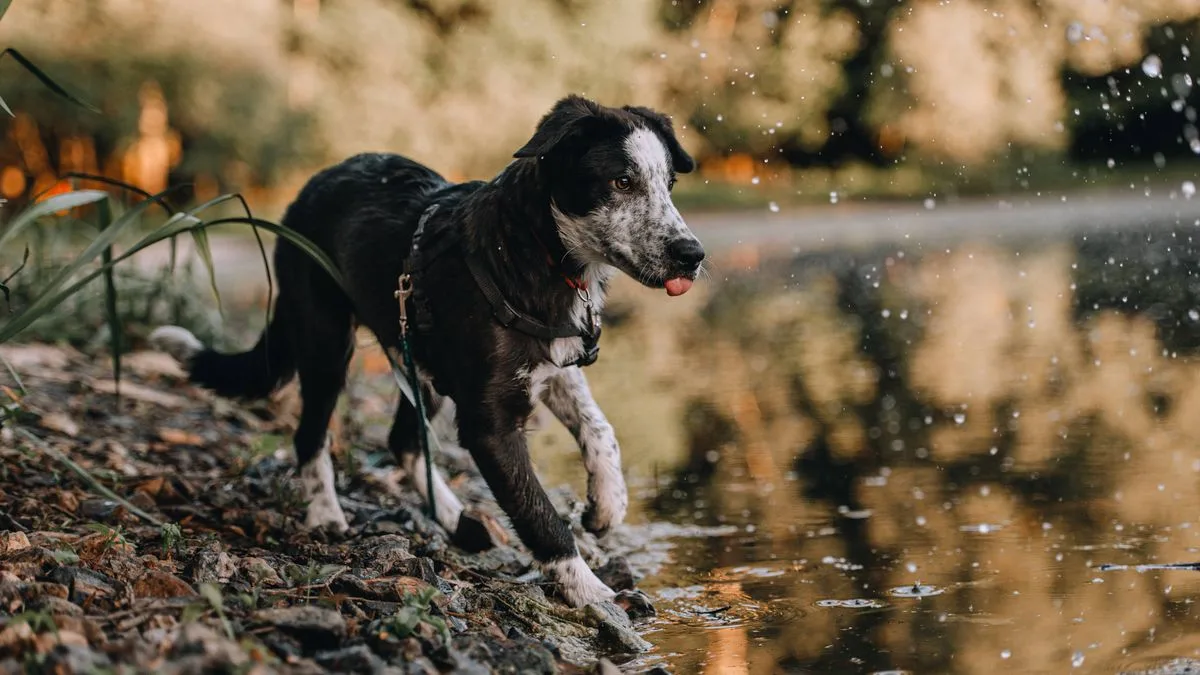
Chris Maxted, director of motorhome dog gate supplier Dog-G8, sheds light on the less obvious water sources owners should watch out for, and how they can make smarter choices to avoid an unwanted trip to the vet. One such hidden danger is rat urine lurking in bodies of water where your dog might be swimming or drinking. Pond, ditch and river water can also be teeming with harmful bacteria.

Chris says: "Stagnant water from places such as ponds and ditches can contain bacteria, algae and diseases, which spreads through contaminated water and mud, often linked to rat urine." He adds: "Clear, free-flowing rivers and streams are usually lower risk, but there's still the possibility of contamination from upstream sources."

Wide Pickt banner — collaborative shopping lists app for Telegram, phone mockup with grocery list

Leptospirosis: A Serious Threat

Pet specialists at PDSA warn that Leptospirosis is a bacterial infection capable of causing serious illness by attacking vital organs such as the liver and kidneys. It explained one typical way for dogs to contract the disease is through "water or soil that has been contaminated with infected urine from another animal (mainly rats)". Particularly at risk is "slow moving or stagnant water such as rivers, lakes, ponds, streams, canals, drains and floodwater".

The disease spreads through urine and can survive in water or soil for months. Leptospirosis enters the body via the mouth, nose or wounds. The infection can trigger vomiting, jaundice, diarrhoea, lethargy, reduced appetite, weight loss, increased drinking and urination, breathing difficulties and coughing.

Other Risky Water Sources

Water sources you should prevent your dogs from accessing include shared or communal water bowls. Chris says: "Communal water bowls can expose pets to bacteria such as Salmonella and E. coli, as well as viruses and parasites. With multiple animals and even wildlife using the same bowl and no way of knowing how often it is cleaned, there's a high risk of contamination."

Puddle water poses risks too. Chris says: "Puddles may contain more than just rainwater, they can hide things like bacteria and parasites that upset your dog's stomach and can be hard to get rid of. They can also pick up more serious risks from the environment, including infections spread through animal urine, parasites, and even toxic substances like antifreeze."

Sea water is not suitable for pets to drink because of its high salt content, which can lead to salt poisoning, also known as hypernatraemia, causing symptoms such as vomiting, diarrhoea and tremors.

Expert Recommendations

Chris recommends that during walks, you should keep your dogs away from any natural water sources and stick to providing them with what they have at home. He says: "The best thing to do on walks is to bring fresh water from home and offer it regularly, especially during warmer weather or longer outings when dogs are more likely to drink from unsafe sources."

Pickt after-article banner — collaborative shopping lists app with family illustration