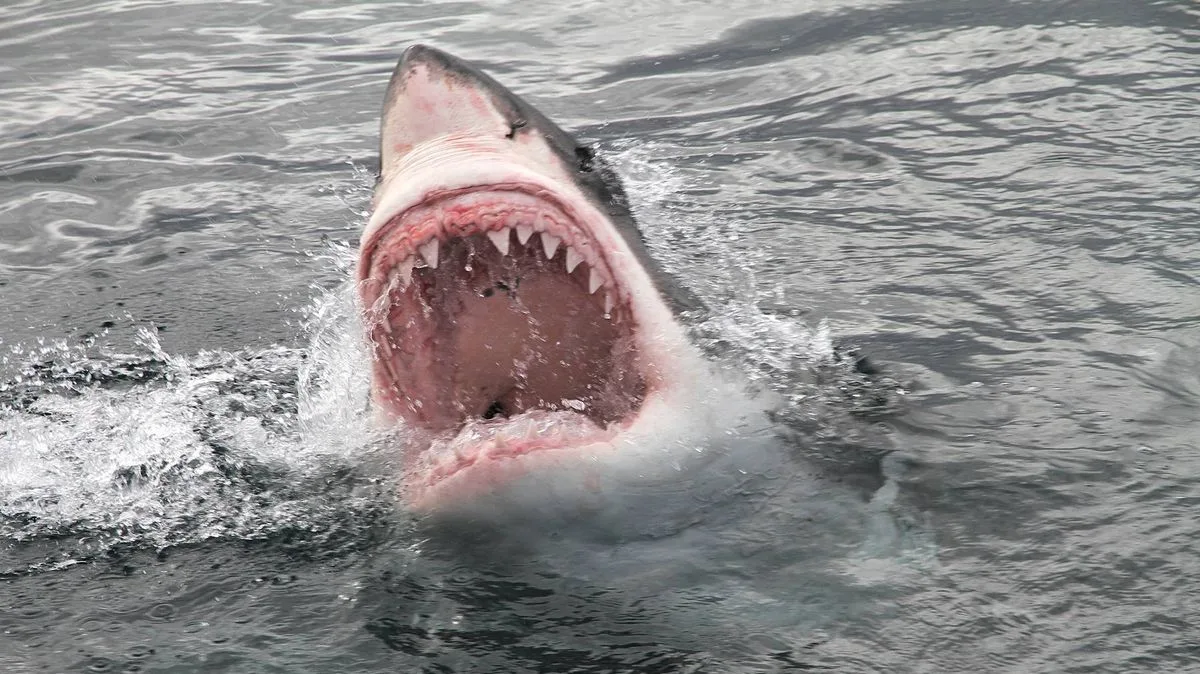
On an overcast evening in 1959, 33-year-old Robert Pamperin was free-diving for abalone off La Jolla Cove in San Diego with his friend Gerald Lehrer when he was attacked and devoured by a massive great white shark. The incident, which occurred at one of the most beautiful beaches in the world, left Lehrer traumatised as he watched his friend being eaten alive.
Lehrer recounted that the two were diving about 30 feet apart when he heard Pamperin cry out for help. Turning around, he saw his friend shoot out of the water without his dive mask, his lower body trapped in the jaws of a shark estimated to be 20 feet long. The shark dragged Pamperin under, and Lehrer saw his friend's body held between the jaws, with his legs missing, before the shark swallowed him.
After failing to scare the shark away, Lehrer swam to shore in shock and alerted lifeguards. A team of 10 divers searched for Pamperin's body for hours but found nothing. Later that night, Lehrer was interviewed by biologist Conrad Limbaugh of the Scripps Institution, describing the shark as having a greyish-white belly, grey back, and dimensions of 20 feet long by three feet in diameter, with two-inch teeth.
Speculation arose that the attacker might have been a tiger shark, as unusually warm temperatures that summer had brought tropical species to the coast. Two days after the attack, fishermen sighted a large shark 20 to 40 feet long off Mission Bay, but it was never found. A swim fin with Pamperin's initials, bearing what looked like shark teeth marks, later washed ashore on La Jolla Shores beach.
Pamperin left behind a wife, who later remarried one of his cousins and left San Diego. Despite the trauma, Lehrer returned to the water a week later and continued diving, though he stopped scuba diving after his gear was stolen.